

 Back
Back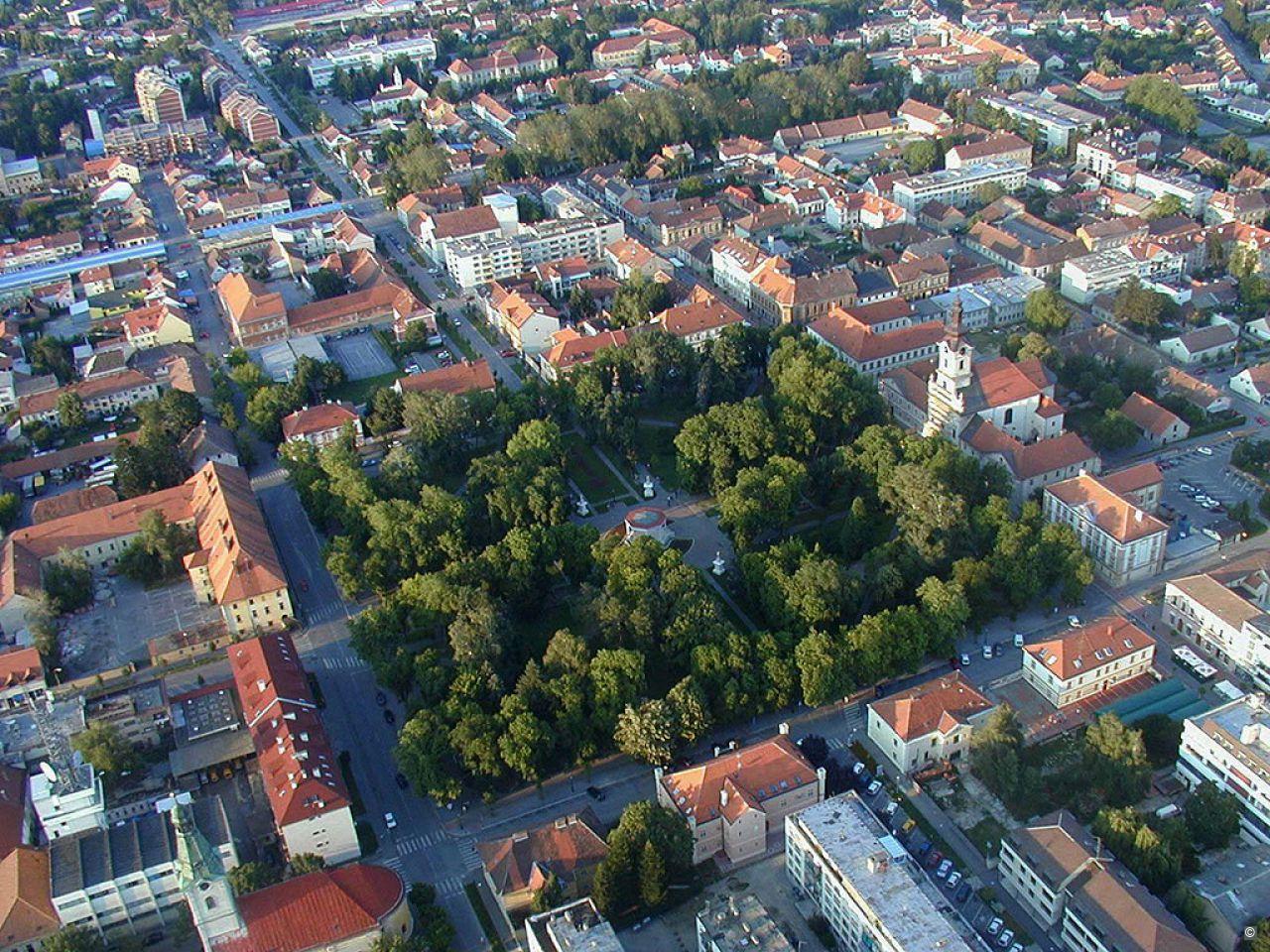
 Add to My Collection
Name of Monument:
Bjelovar Town
Location:
Bjelovar, northern Croatia, North-West Croatia, Croatia
Date:
18th century
Artists:
Unknown architects
Denomination / Type of monument:
Secular, military urbanism
History:
Between 1756 and 1765, initiated by General Phillipp Lewin Baron von Beck, the plans were submitted for Bjelovar, a new military town and centre of the Varaždin command. In 1771, after reorganisation of the Croatian military borders and stabilisation of them in relation to the Ottoman Empire, Bjelovar became a military town community.
Description:
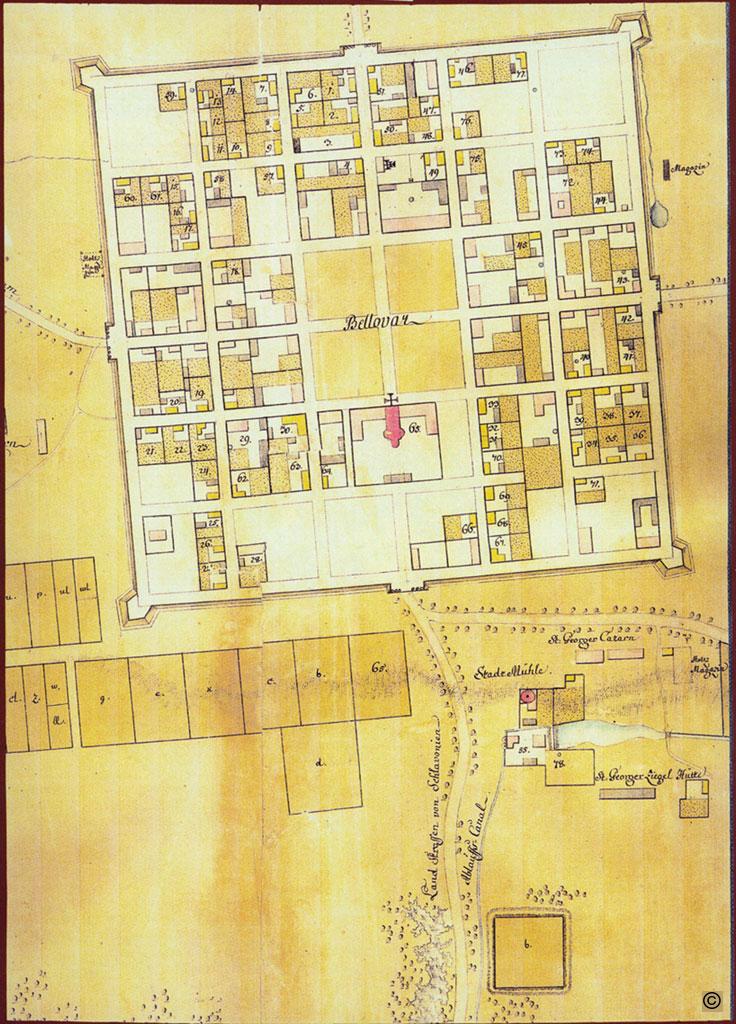
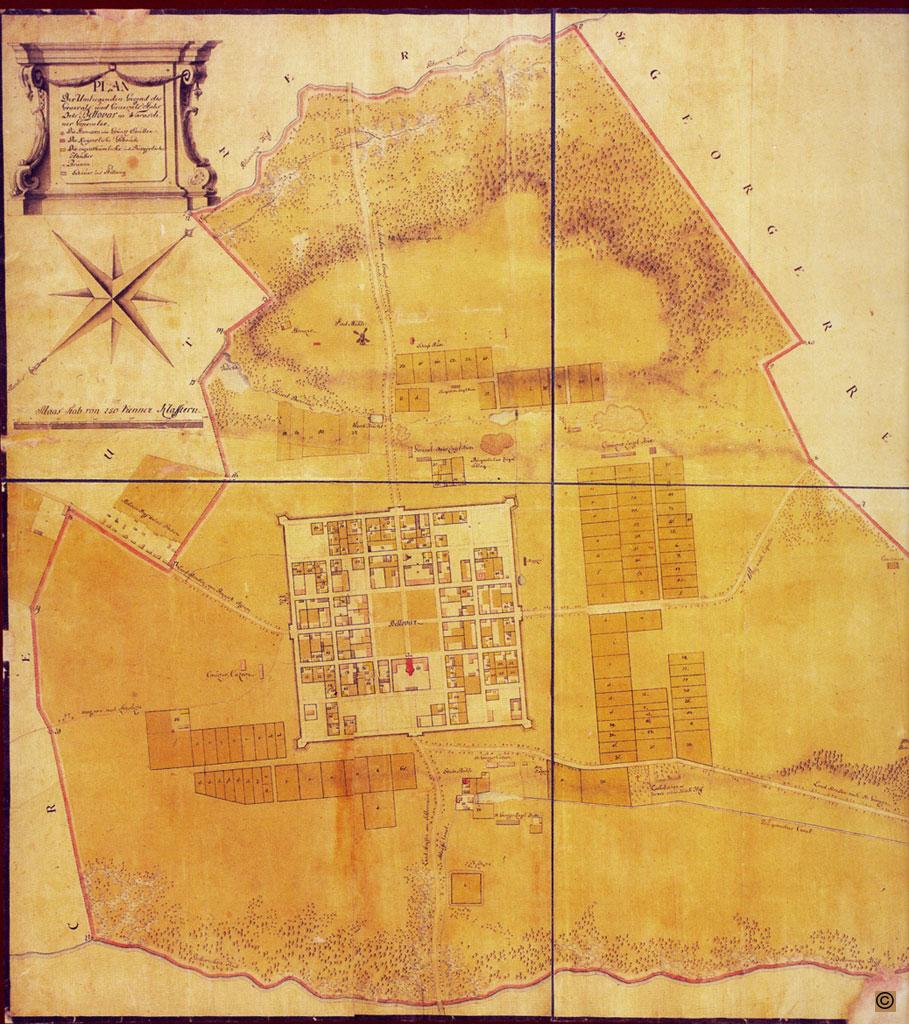
Between 1756 and 1765, initiated by General Phillipp Lewin Baron von Beck, the plans were submitted for Bjelovar, a new military town and centre of the Varaždin command. A fortified settlement (with the symbolic character of a fortification), it was the centre for two regiments. Divided into 36 rectangular blocks with a central square, military buildings bordered it. A symmetrical ground plan enabled division of the town into two parts for the two regiments. In 1771, after reorganisation of the Croatian military borders and stabilisation of them in relation to the Ottoman Empire, Bjelovar became a military town community. Commercial development and the need for trades and craftsmen stimulated the growth of the civilian population, and established Bjelovar as an important civilian town with an existing military role. When the town's fortifications and gates became redundant, they were demolished; the town opened up to integration and expansion to the suburbs where the new marketplace was established. Bjelovar is a significant example of an 18th-century proto-modern town, which made the transition from a military fortified town to a civilian town. In some other ways, Bjelovar exemplifies a pattern of development and growth of 19th-century towns in continental Croatia.
View Short DescriptionThe town of Bjelovar was a fortified settlement (with the symbolic character of a fortification). The centre of two regiments, it was divided into 36 rectangular blocks with a central square, bordered by military buildings.
How Monument was dated:
Archival documents.
Special features
Bjelovar Town, the oldest plan
1772
Unknown artist
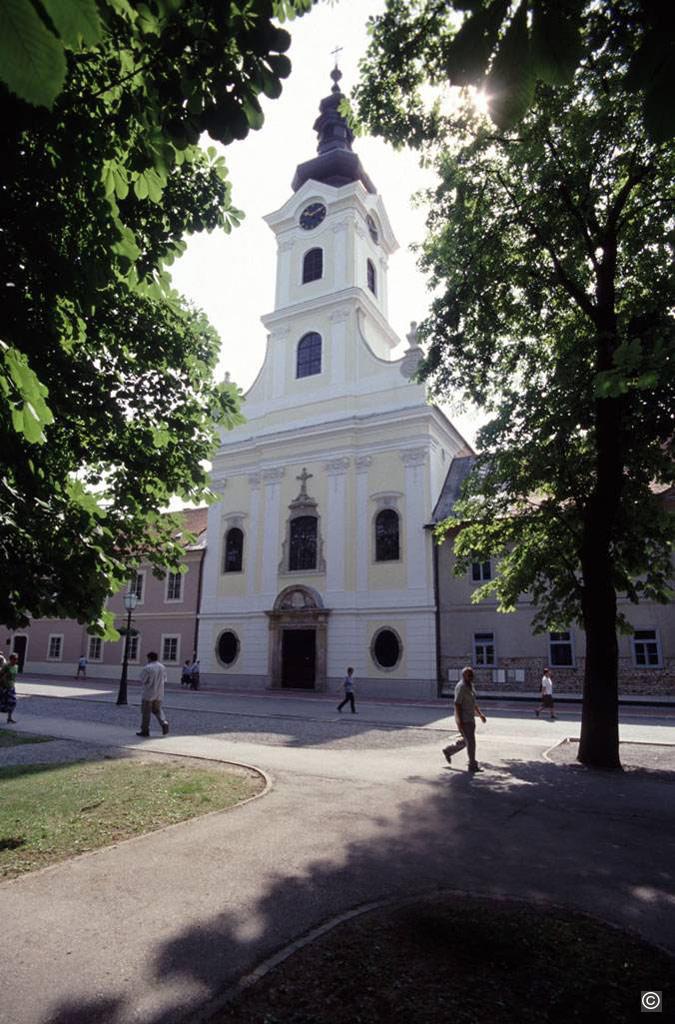
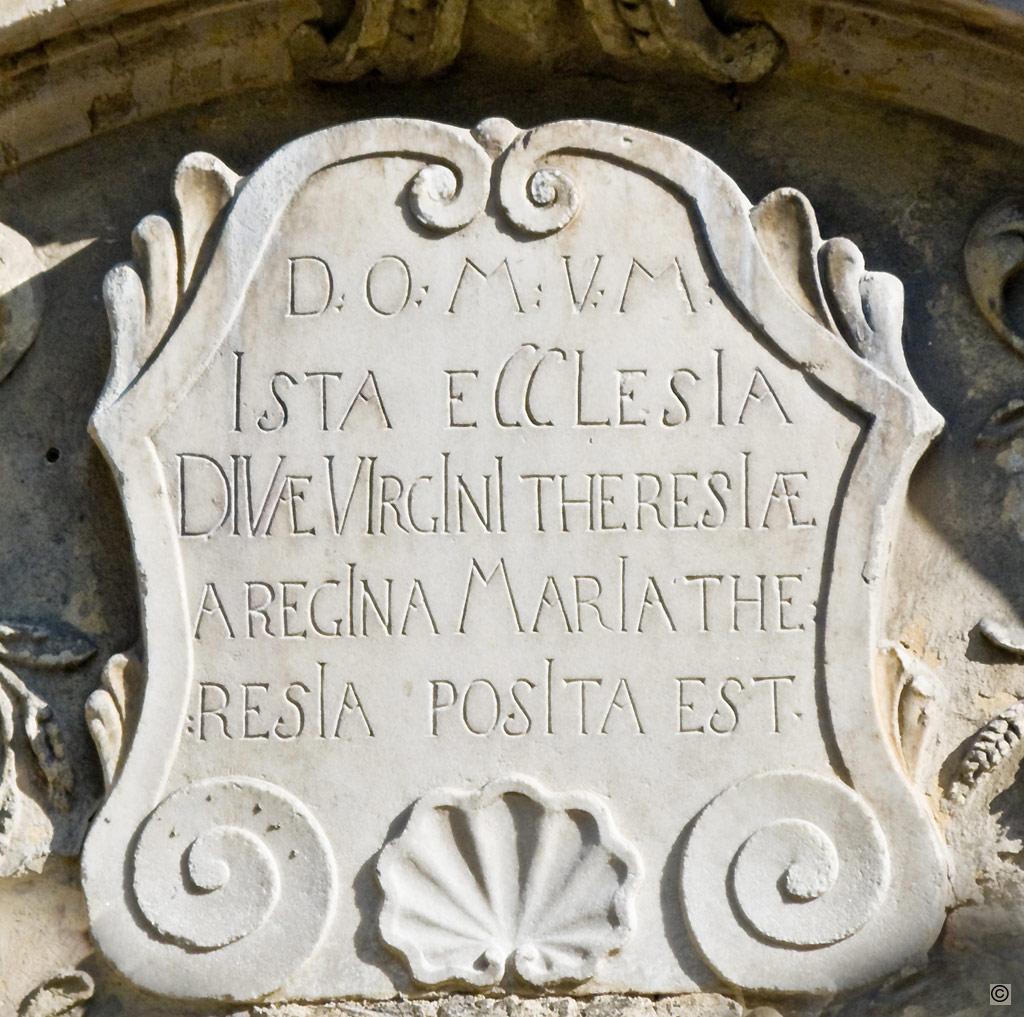
Parish Church of St. Theresa
The main square in Bjelovar
1765–1769
Unknown artist
Citation of this web page:
Ratko Vučetić "Bjelovar Town" in "Discover Baroque Art", Museum With No Frontiers, 2026.
https://baroqueart.museumwnf.org/database_item.php?id=monument;BAR;hr;Mon11;29;en
Prepared by: Ratko VučetićRatko Vučetić
SURNAME: Vučetić
NAME: Ratko
AFFILIATION: Institute of Art History, Zagreb
TITLE: PhD, Research Associate
CV:
Ratko Vučetić graduated from Zagreb University (Art History and Ethnology, Faculty of Philosophy). In 2002, he defended his Master’s dissertation: Spatial Structure of the Medieval Urban Settlements in Hrvatsko Zagorje Region before World War One, and in 2005, his PhD thesis, Spatial Development of Royal Towns in Northwestern Croatia before the end of the 18th Century (Zagreb University, Faculty of Philosophy; adviser Professor Ivo Maroević). Within the Institute’s research programme, Ratko participates in projects on Croatian Art Topography and Architectural Heritage from the 16th to 19th Century (headed by Katarina Horvat-Levaj).
Translation by: Graham McMaster
Translation copyedited by: Mandi GomezMandi Gomez
Amanda Gomez is a freelance copy-editor and proofreader working in London. She studied Art History and Literature at Essex University (1986–89) and received her MA (Area Studies Africa: Art, Literature, African Thought) from SOAS in 1990. She worked as an editorial assistant for the independent publisher Bellew Publishing (1991–94) and studied at Bookhouse and the London College of Printing on day release. She was publications officer at the Museum of London until 2000 and then took a role at Art Books International, where she worked on projects for independent publishers and arts institutions that included MWNF’s English-language editions of the books series Islamic Art in the Mediterranean. She was part of the editorial team for further MWNF iterations: Discover Islamic Art in the Mediterranean Virtual Museum and the illustrated volume Discover Islamic Art in the Mediterranean.
True to its ethos of connecting people through the arts, MWNF has provided Amanda with valuable opportunities for discovery and learning, increased her editorial experience, and connected her with publishers and institutions all over the world. More recently, the projects she has worked on include MWNF’s Sharing History Virtual Museum and Exhibition series, Vitra Design Museum’s Victor Papanek and Objects of Desire, and Haus der Kulturen der Welt’s online publication 2 or 3 Tigers and its volume Race, Nation, Class.
MWNF Working Number: HR 42