

 Back
Back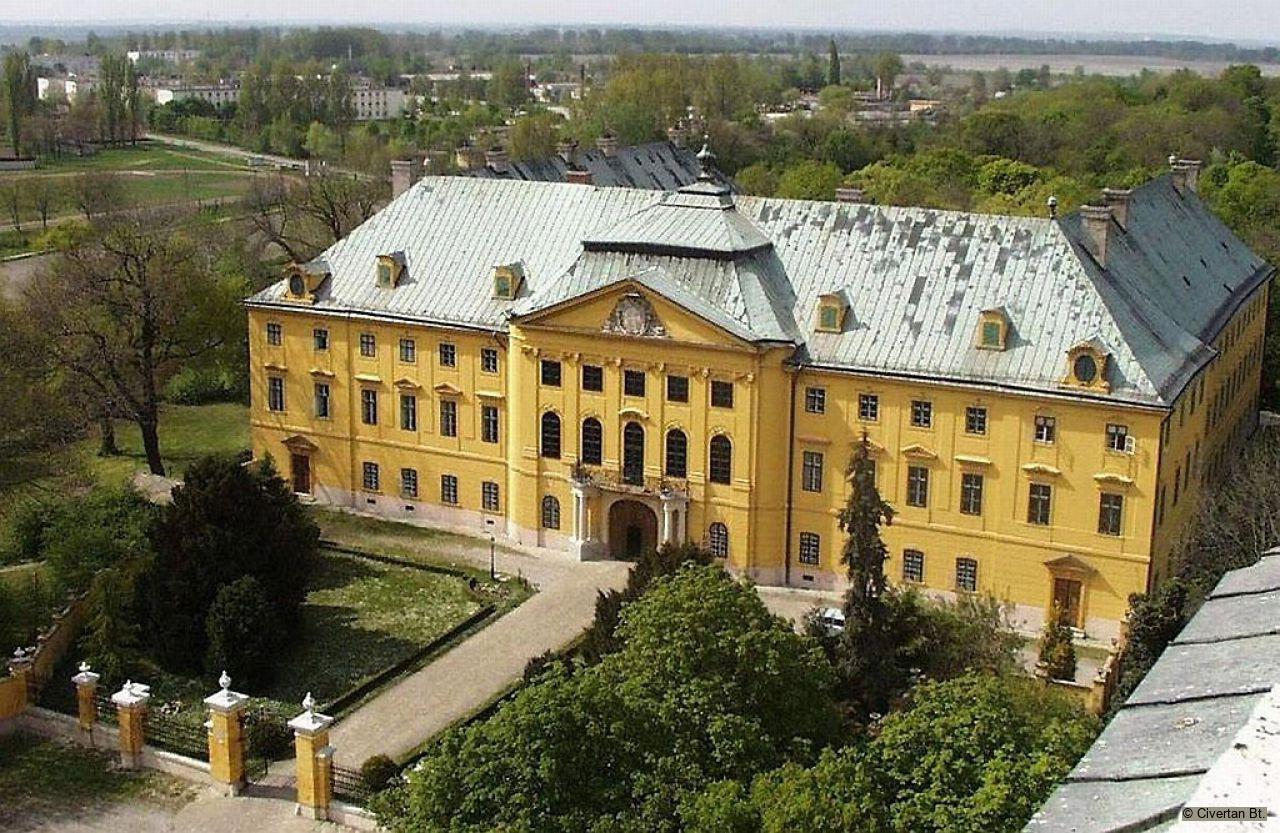
 Add to My Collection
Name of Monument:
Episcopal Cathedral and Bishop’s Palace of Kalocsa
Also known as:
Cathedral of Kalocsa; Bishop’s Palace
Location:
Kalocsa, Délkelet-Magyarország / Southwest Hungary, Hungary
Cathedral and Palace: Szentháromság tér 1
6300 Kalocsa
T : Cathedral: +36 76 487 501; Cathedral Library: +36 78 465 280; Archives of the Archdiocese: +36 78 462 166/207/210/211; Palace: +36 78 462 166, +36 78 465 279, +36 30 468 5617
F : +36 78 465 279; Cathedral Library: +36 78 465 280; Palace: +36 78 462 166/130
E : Cathedral Library: kalbib@asztrik.hu; Archives of the Archdiocese: archivum@asztrik.hu; Palace: hivatal@asztrik.hu
Catholic Church in Hungary, Archdiocese of Kalocsa-Kecskemét (Responsible Institution)
Date:
Episcopal cathedral 11th century, 1728, 1735–1800; Bishop's Palace: Middle Ages, 1773, 1775–1780; end of the 18th–early 19th century
Artists:
Cathedral architect: András Mayerhoffer? (1690–1771); stonemason: János Éder; József Andrejka (1859–?); painters: Ferenc Fridrich a Jesuit monk, Gáspár Ellinger from Kassa (Košice) (?–1622 [1621?]), Hubert Maurer (1738–1818), Anton Zechenter, Franz Anton Maulbertsch (1724–1796); gilding: János Schenk; sculptor: Andreas Halbig (1807–1869). Palace architect: Gáspár Oszwald, a piarist monk
Denomination / Type of monument:
Religious architecture, church; residential palace
Patron(s):
Cathedral: Cardinal Archbishop Count Imre Csáky (1710–1732); Archbishop Baron Gábor Patachich (1733–1745); Archbishop Count Miklós Csáky (1747–1751); Archbishop Count Ferenc Klobusiczky (1751–1760); Archbishop Count József Batthyány (1760–1776); Archbishop László Kollonich (1787–1817); Archbishop Péter Klobusiczky (1822–1843) and Prebendary of Kalocsa (1790–1807); Archbishop József Kunszt (1854–1866). Palace: Cardinal Archbishop Count Lipót Kollonich (1691–1695); Archbishop Count Pál Széchenyi (1696–1710); Archbishop Count Imre Csáky (1710–1732); Archbishop Count József Batthyány (1760–1776); Archbishop Baron Ádám Patachich (1776–1784); Archbishop Count László Kollonich (1787–1817)
History:
Kalocsa has been an Episcopal seat since the 12th century under King Béla II the Blind. Scholars disagree about whether there have been two or three churches on the site of the present cathedral, but it is known that they were all dedicated to St. Paul. The first church was built under the rule of King St. Stephen before 1050.
During the Reformation, the Protestants took over the church. It was then repossessed by the Catholics until Protestant soldiers (hajdúk), in revenge for the persecution of the Protestants in Upper Hungary, set fire to it in 1602 along with the Bishop's Palace. The Turkish Traveller, Evlia Celebi describes a visit to the ruins in 1665.
Archbishop Count Pál Széchenyi, lacking funds to rebuild the church entirely, restored it instead. The building as seen today was initiated by Cardinal Archbishop Count Imre Csáky, who ordered draft plans in 1728, but died before construction began. His successor, Archbishop Baron Gábor Patachich, continued the project and probably entrusted the design to András Mayerhoffer, although some experts attribute the design to Johann Bernhard Fischer von Erlach, Anton Erhard Martinelli or Johann Battista Carlone. However, the fact that the layout resembles the Pauline Church of Pest (today the University Church), also designed by Mayerhoffer, and that the stonemason, János Éder from Pest a close friend of Mayerhoffer, also worked on the construction, suggests that Mayerhoffer was the architect.
After Patachich's death, his successors Count Miklós Csáky, Count Ferenc Klobusiczky and Count József Batthyány, continued the building programme, which was carried out by members of the stonemasons' guild of Pest. The foundation stone of the church was laid in 1735. In 1738 the first section of the nave was completed with side chapels; the sanctuary, two vestries and the oratory were also finished. The construction was temporarily halted between 1741 and 1745 due to lack of funds, but the building already had a temporary roof and was consecrated in 1735 and again in 1738. The walls were erected by 1754; the exterior decoration by 1757, and the interior by 1770. The spires were placed on the towers by 1774 and the interior and furnishings were finished at almost the same time.
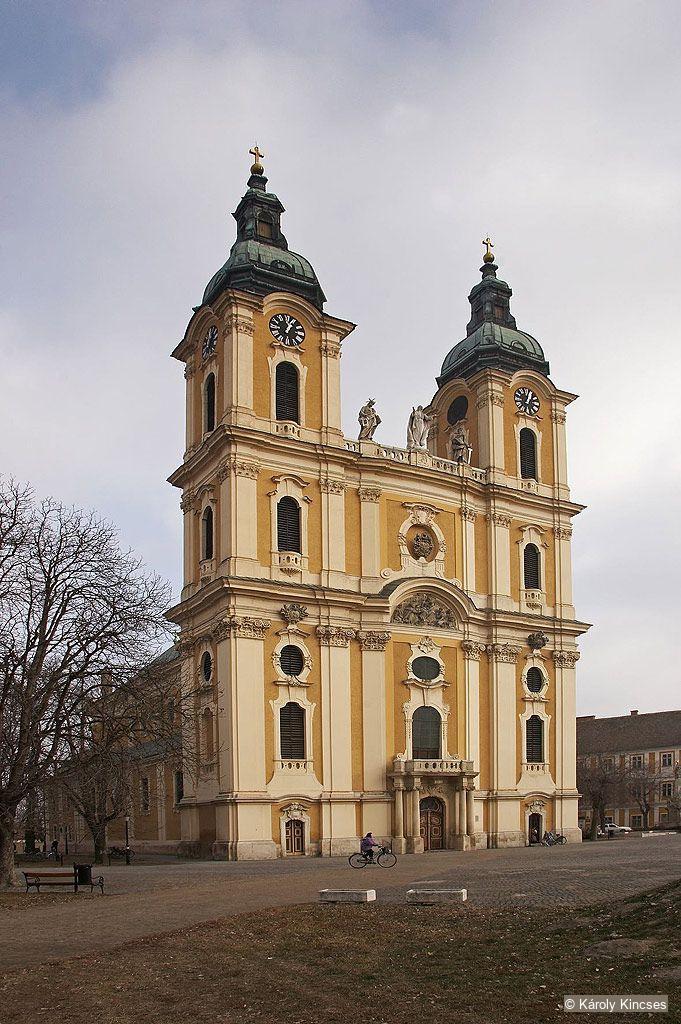
The church, dedicated to Our Lady in 1754, was struck by lightning in 1795 and the spires, roof, bells and bell-towers were all destroyed. The replacement Classical-style bell towers, the roof and bells (the bells donated by Archbishop László Kollonich) were completed between 1799 and 1800.
During reconstruction (1908–1912) several new features were added: the crypt beneath the sanctuary, the corridor linking the two vestries, the main altar with a baldachin, the higher roof structure, the flèches, the gates on the south and north facades, the glass windows of the nave, some of the pews, the confessionals and the marble floor.
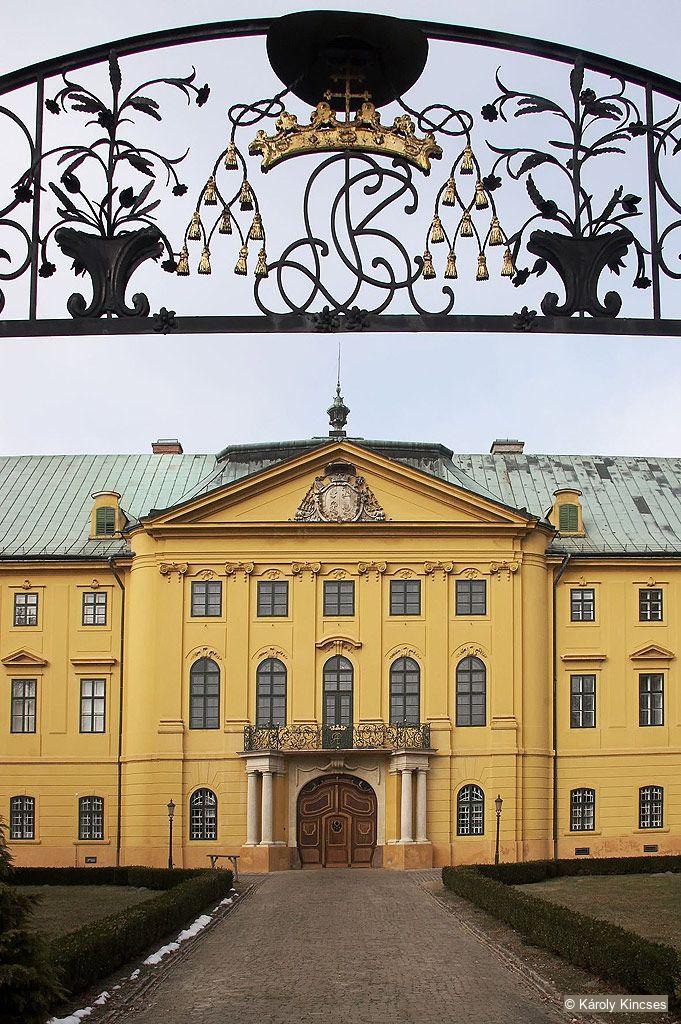
The first Bishop's Palace dates to the medieval period and underwent several reconstructions and extensions before it fell into the hands of the Turks in 1529. Following Ottoman rule after 1586, Archbishop Pál Széchenyi commissioned a new wing, making the palace habitable once again. During the Rákóczi Uprising against the Habsburgs between 1703 and 1711, Kuruc troops destroyed the palace. It was restored and extended with the help of Archbishop Count Imre Csáky. The plans seen today were ordered by Archbishop Count József Batthyány in around 1773, and are the work of Piarist monk Gáspár Oszwald. Construction began in 1775, but when Ádám Patachich became Archbishop he had the plans comprehensively redrawn. As a result the building, completed in 1780, has several Neo-Classical features. The main wing and the east wing (library) of the palace were built at that time. The west wing, which was completed later, was built by Archbishop Count László Kollonich.
Description:
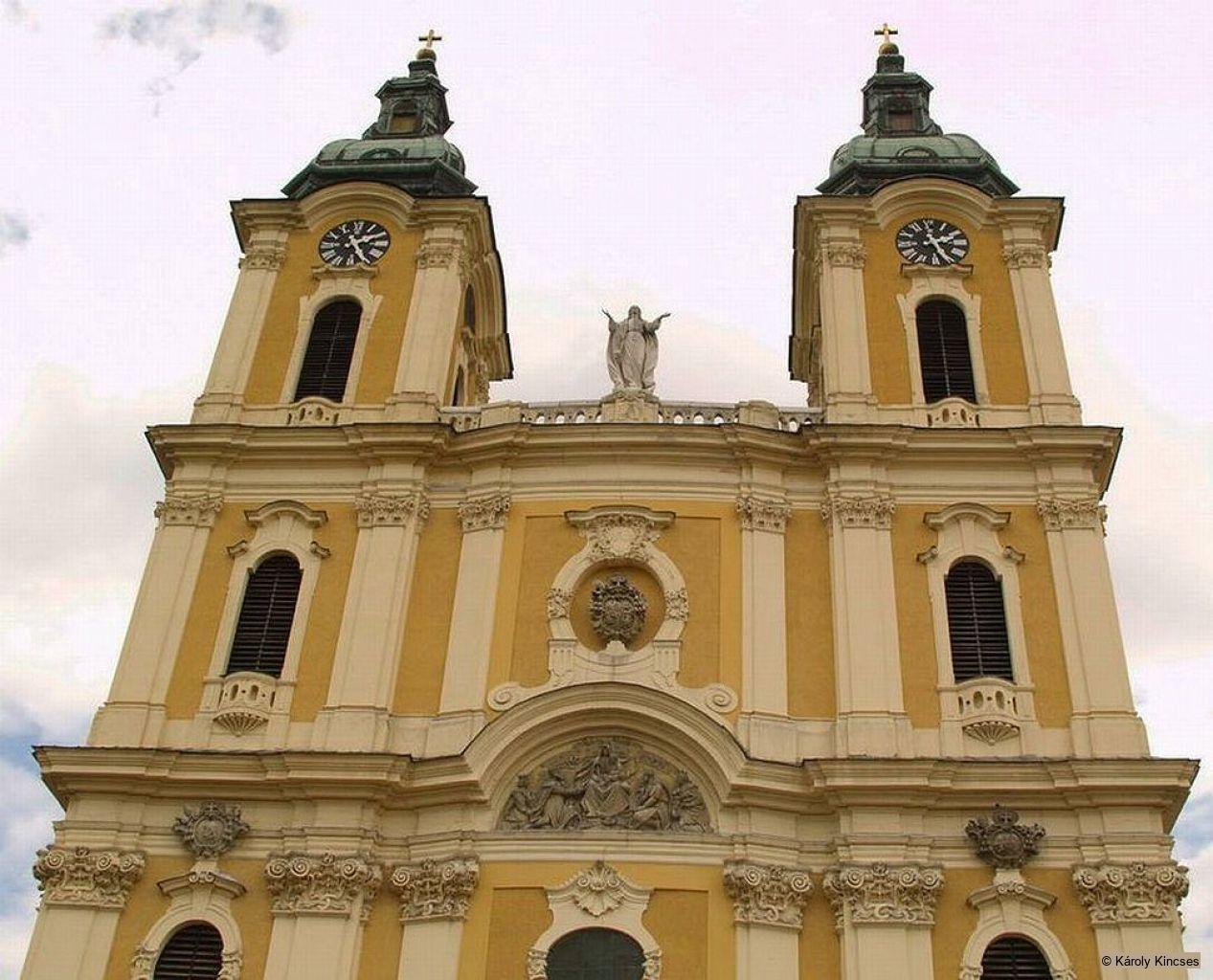
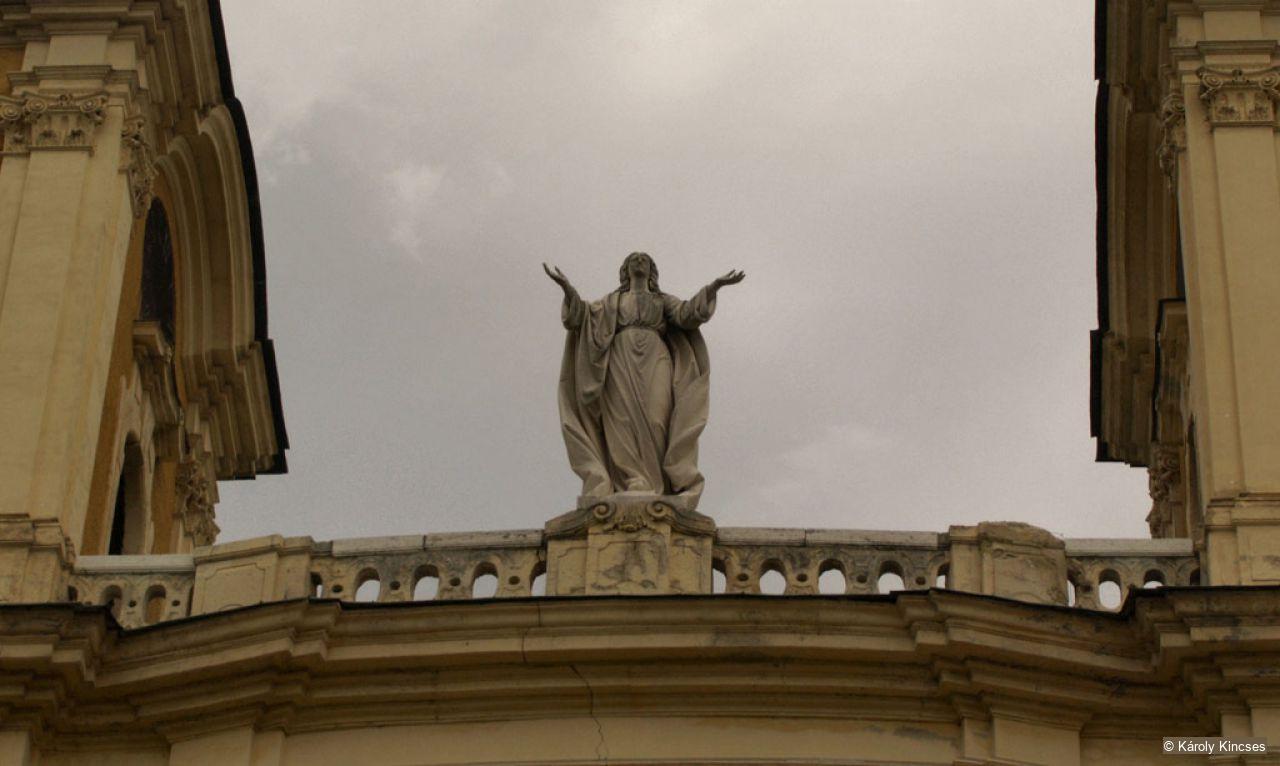
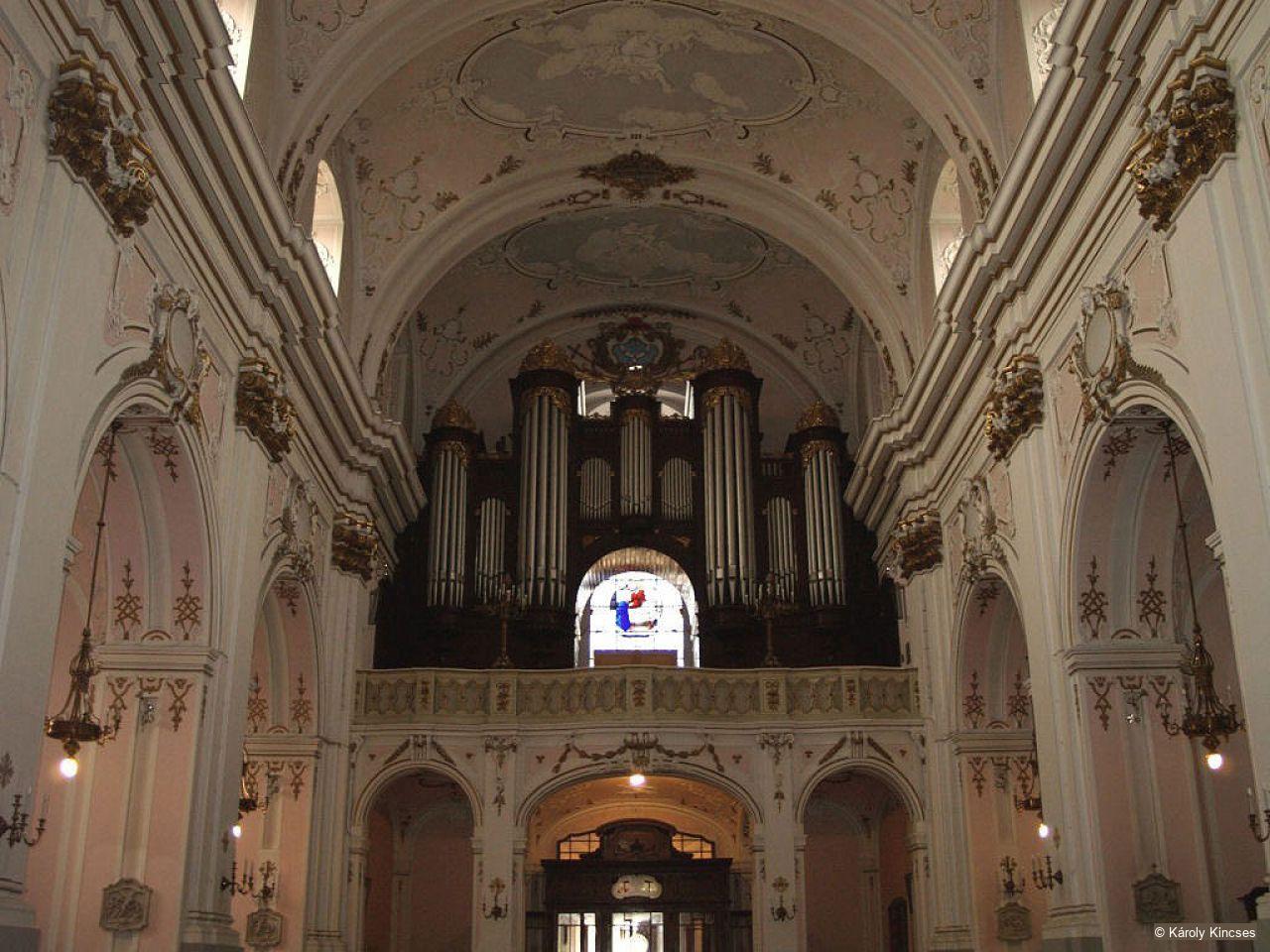
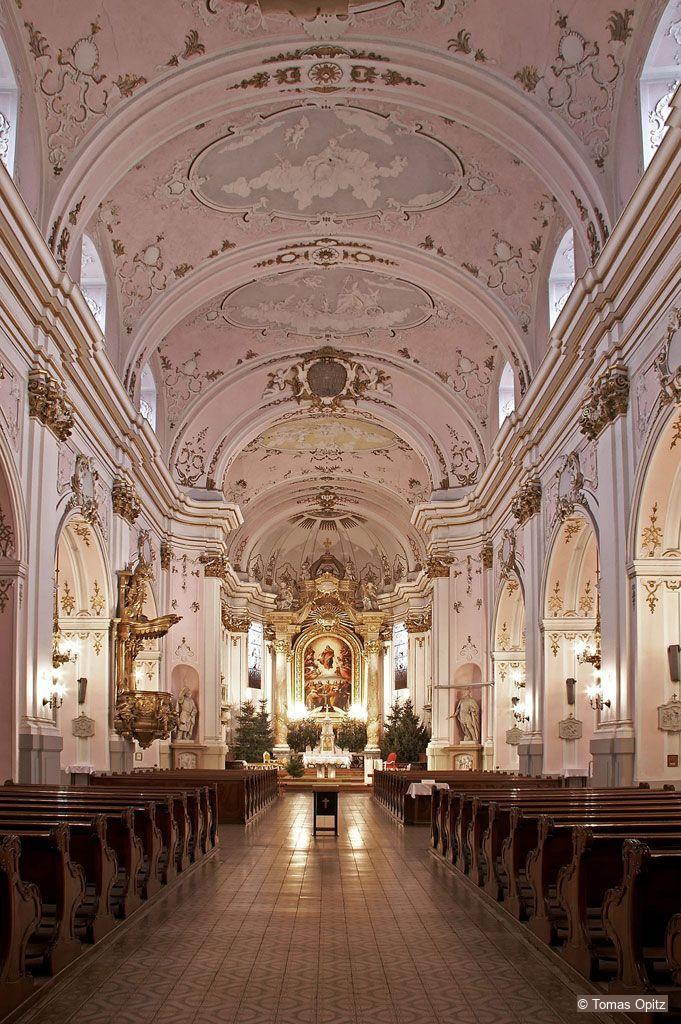
The style of the Episcopal Cathedral evokes that of contemporary Jesuit architecture. Its nave is separated into four vaulted sections and is extended by four side-chapels on either side. The church, framed by five apse chapels, closes in a half decagon-shaped sanctuary, which is lower than the nave, and consists of two vaulted sections topped by a half-cupola. The vault sections covered by sail vaults are separated by cross-bracings resting on Corinthian half-columns. The Late-Baroque main façade, built between 1751 and 1754, is strongly articulated with drip mouldings, alettes and richly carved round windows; the decorative scheme continues up into the two bell towers. The main gate in between the two towers is framed by Ionic pillars. A stone balcony, used for the delivery of the blessing, projects above the gate. In the arched niche above the choir window, the Virgin Mary surrounded by Hungarian saints is depicted in high relief by József Andrejka (1912). The niches that surround this work bear the coats of arms of the patrons: Archbishops Gábor Patachich (above), Imre Csáky (left) and Ferenc Klobusitzky (right). The gable is crowned with a stone balustrade and a statue of the Virgin Mary (1881) positioned between St. Paul and St. Peter by an unknown master (1755).
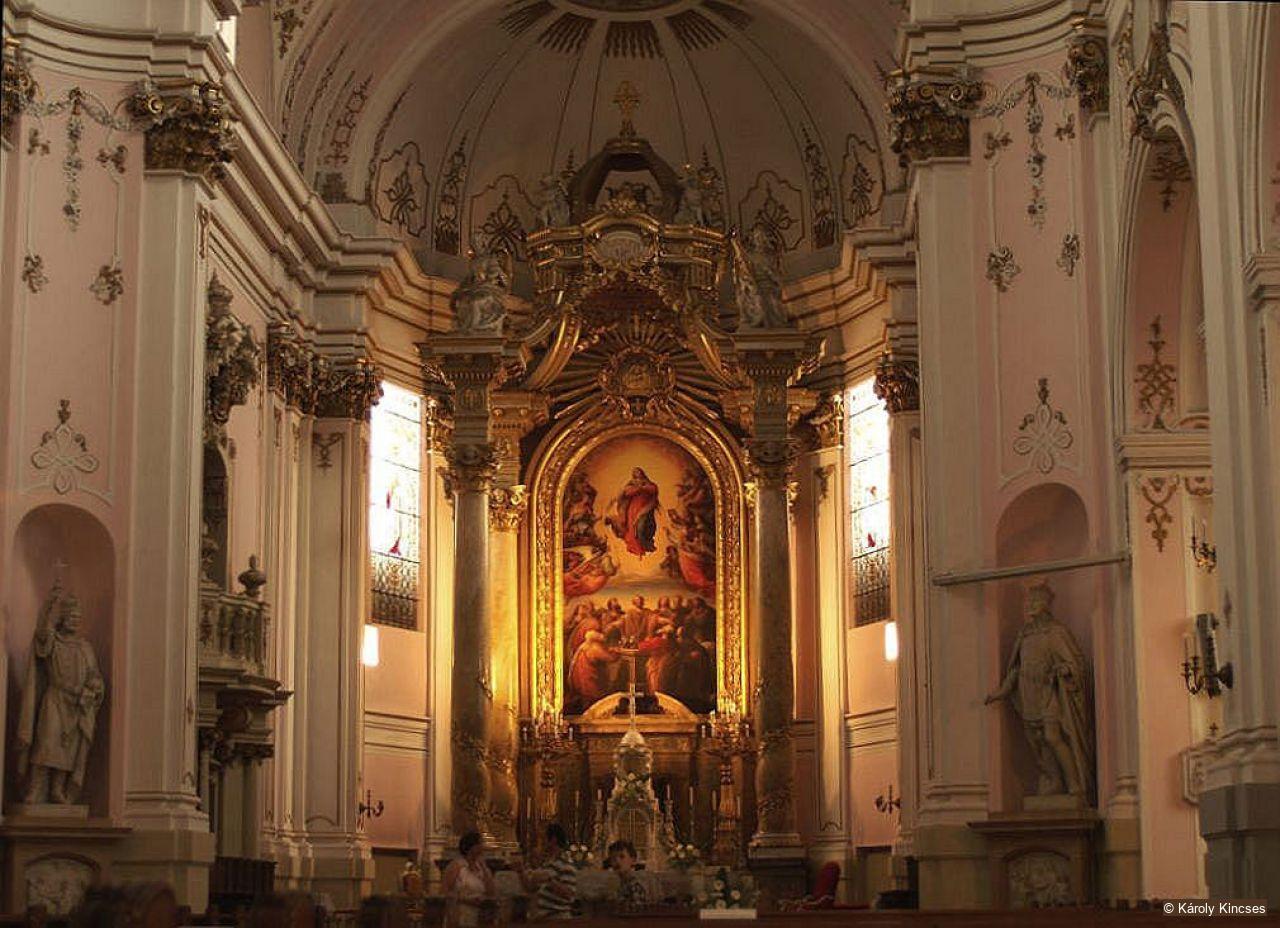
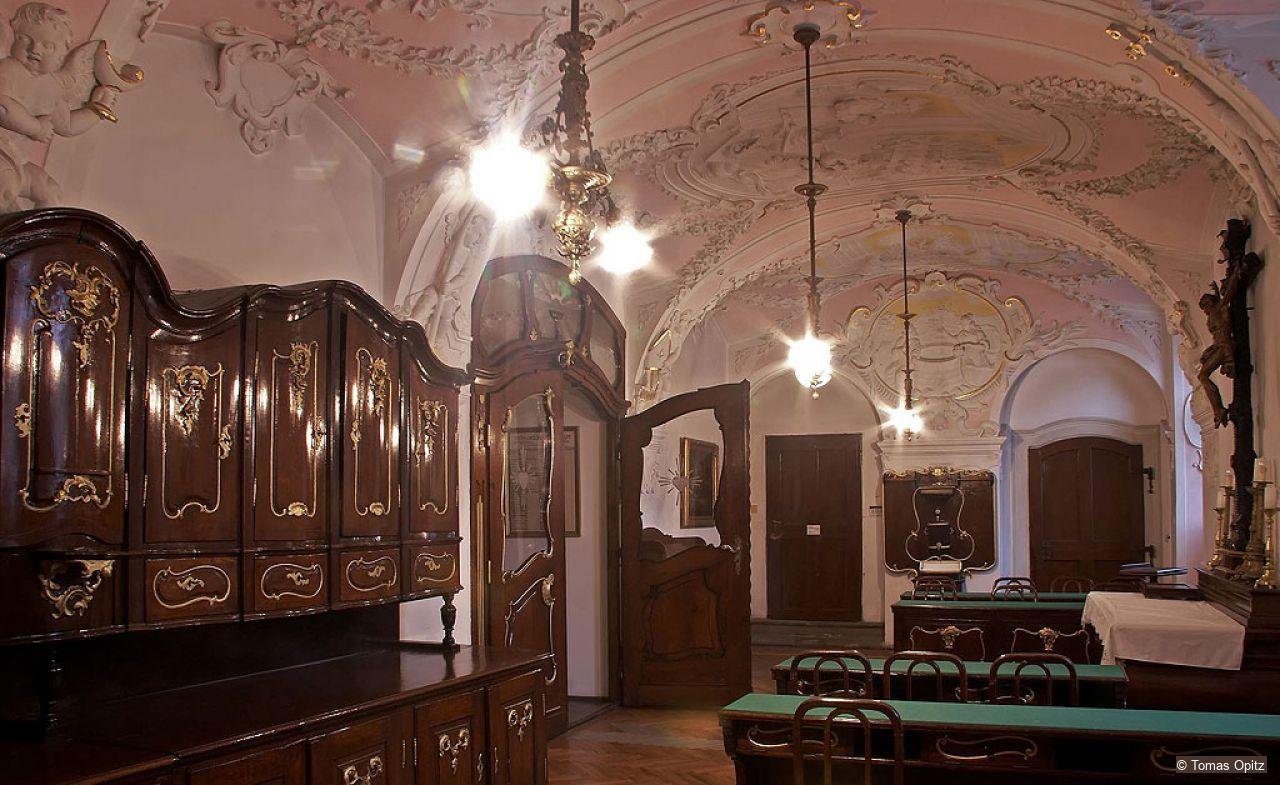
The stuccoes on the vault of the nave are contained within Rococo frames and depict the Four Church Fathers: St. Jerome, St. Augustine, St. Ambrose and St. Leo the Great. The stuccoes in the prebendary vestry illustrate biblical scenes and are the work of an Italian master (c. 1740). The Allegory of the Church in high relief is seen on the cross-vault. The main altarpiece painting, Assumption of the Virgin Mary, dates to the 19th century.
The altarpiece paintings in the side chapels date to the late 18th and early 19th centuries: that on the Altar of St. John of Nepomuk is by the Jesuit monk Ferenc Fridrich. The Altar of the Holy Cross, donated by Archbishop László Kollonich between 1787 and 1818, holds an altarpiece painting that is probably by Gáspár Ellinger from Kassa (Košice): Christ on the Cross. The superstructure of the altar was gilded by János Schenk. The altarpiece painting of Our Lady of Sorrows is also the work of Gáspár Ellinger. According to some scholars the altarpiece paintings of the Apostles St. Peter and St. Paul as well as St. Alios are by the artist Hubert Maurer and were installed by Archbishop Péter Klobusiczky, who at the time, was Prebendary of Kalocsa.
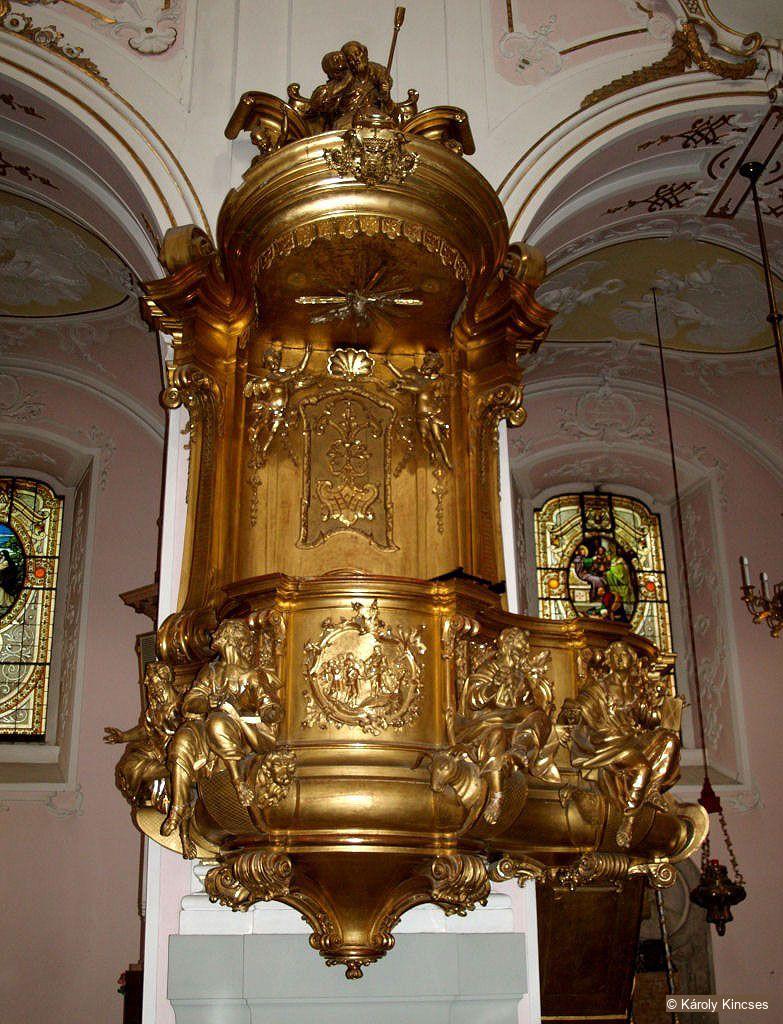
The impressive furniture was carved in the 18th century, and includes the Bishop's throne, 12 carved and inlaid prebendary pews, and a carved and gilded pulpit depicting the Four Apostles, Moses and the Ten Commandments, the Sermon on the Mount, The Sower and The Good Shepherd. The acoustic screen decorated with high relief, illustrates the story of the Good Shepherd. The Episcopal treasury is situated in the girdle chapel on the south side of the sanctuary.
Since the era of Archbishop Patachich, the Cathedral has also served as the burial place for the Archbishops of Kalocsa.
The two-storey U-shaped Bishop's Palace has a pitched roof. Its central projection is articulated with Ionic pilasters and rows of windows covered by a gambrel roof and crowned with tympana, showing the Archbishop's coat of arms. The office of the Archbishopric, guest rooms, servants' quarters and the kitchen are located on the ground floor. The walls of the Ceremonial Hall in the first floor are painted with a decorative marble finish and grisaille frescoes portraying Archbishops Ádám and Gábor Patacich, and the Deus and Sacerdotium (God and the Priesthood).
The side walls of the refectory are decorated with paintings of Angels building the Cathedral, the Bishop's Palace of Kalocsa and a portrait of Bishop Ádám Patachich. The altarpiece in the Archbishop's private chapel has a painting by Hans von Aachen of the Annunciation and a ceiling fresco, the Triumph of the Blessed Sacrament, is by Franz Anton Maulbertsch (1784).
In the oratory, the Neo-Classical sculptural decoration of the mantelpiece with fine inlay represents Mucius Scaevola; on the ceiling there is a portrait of Archbishop Ádám Patachich in an oval medallion upheld by angels, also by Maulbertsch (1783).
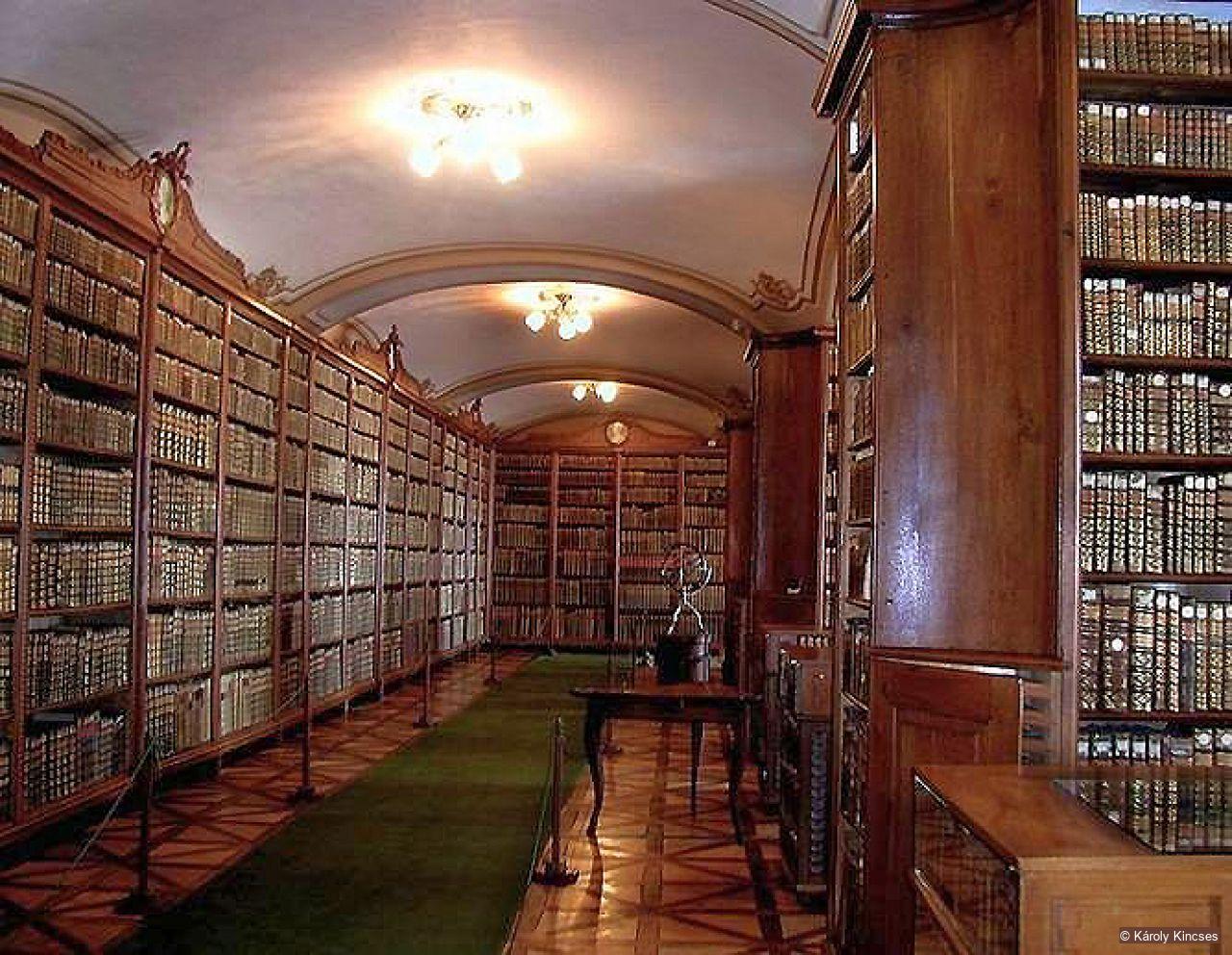
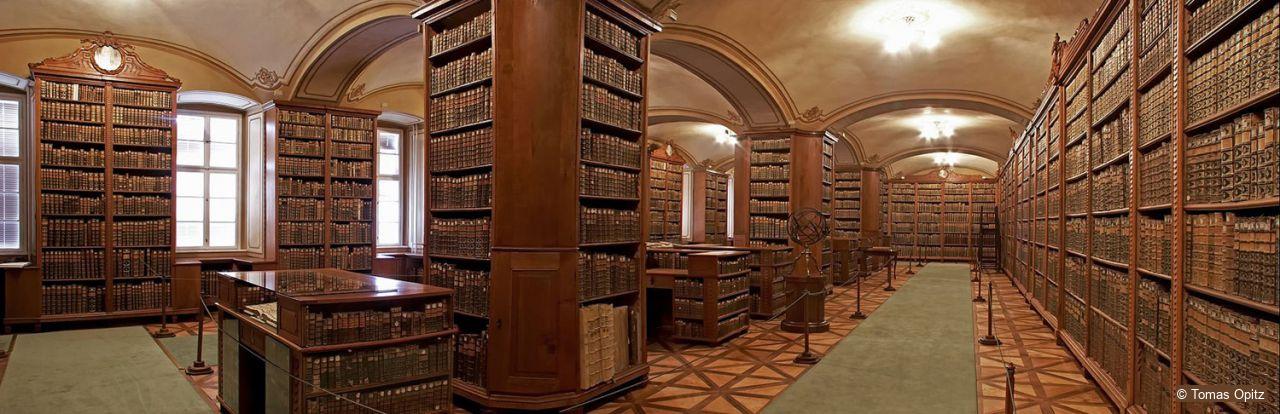
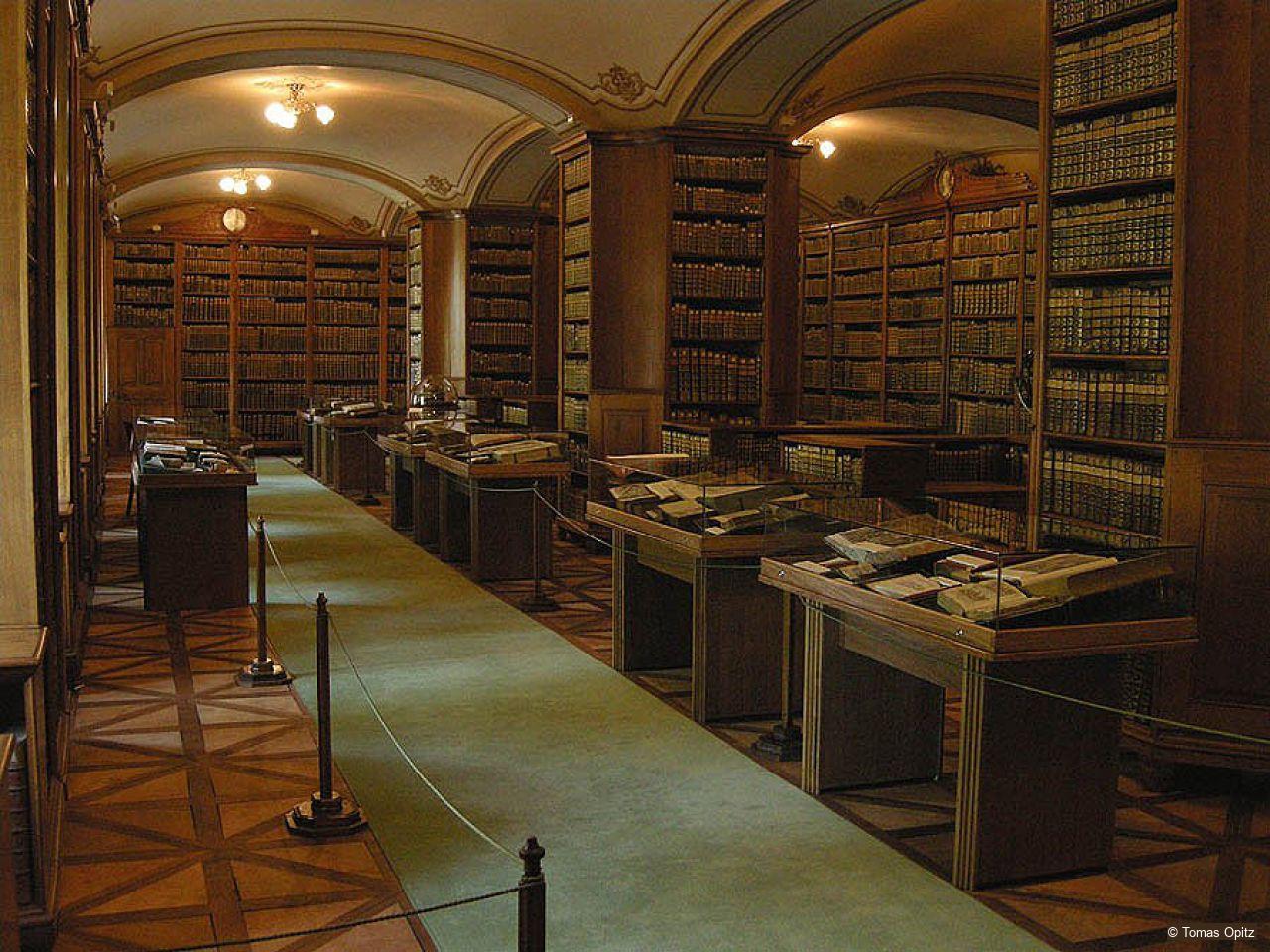
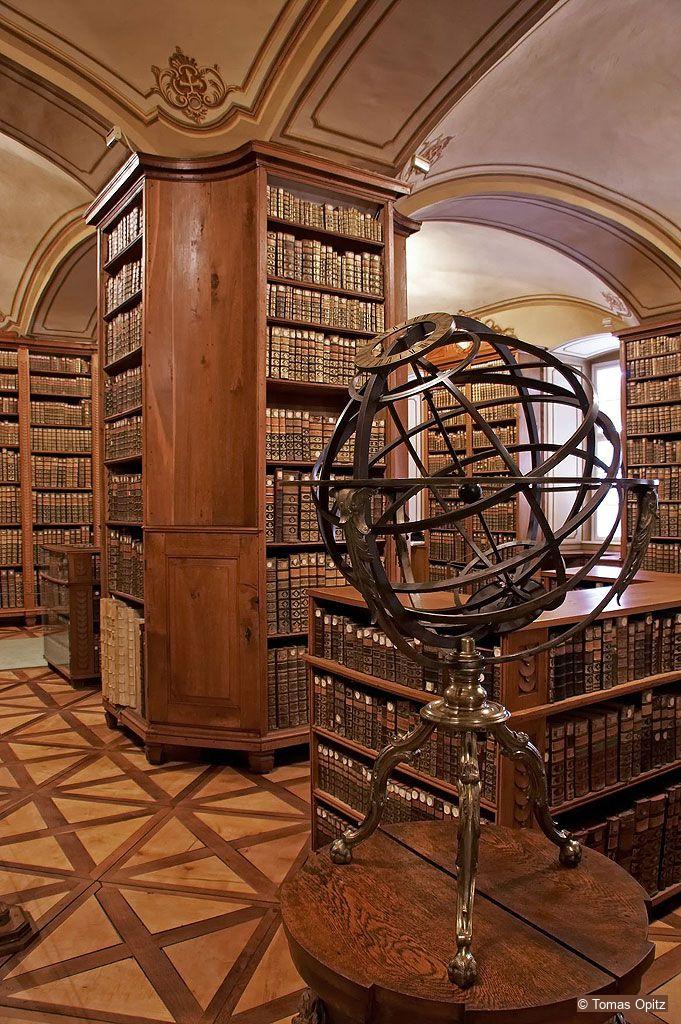
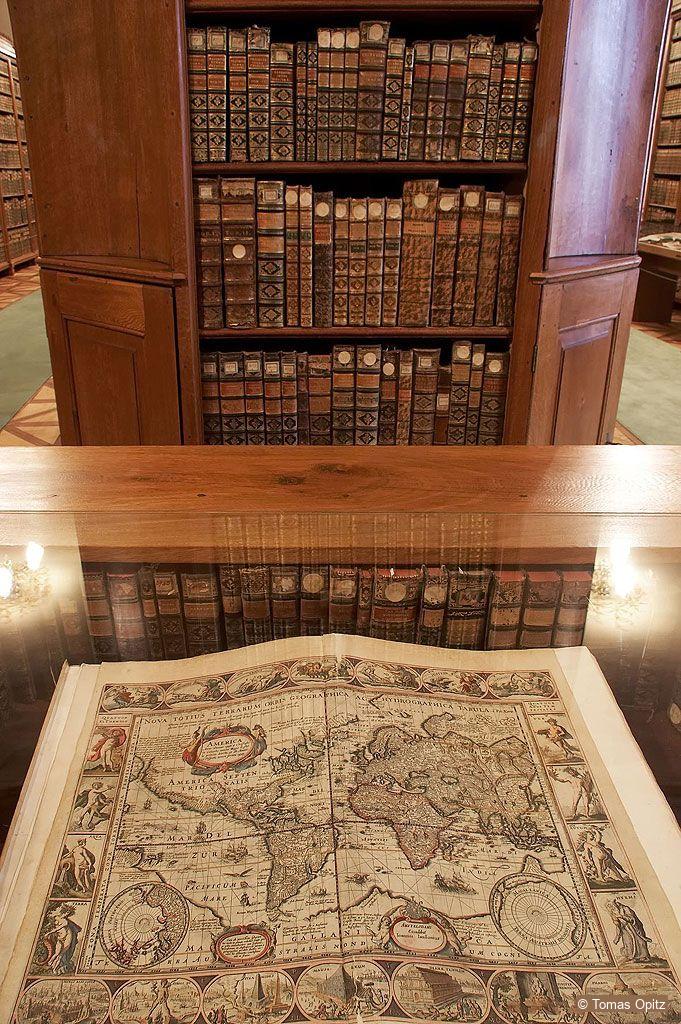
The winter residence of the Archbishop and the impressive cathedral library, founded by Ádám Patachich in 1782, are in the east wing. Today 17 rooms on the first and second floors of the Palace function as a public library. The Patachich Room, which houses the splendid Zopfstil bookcases, may be visited by prior arrangement. The Archbishop's summer residence, the Prince's residence and several salons are located in the west wing.
Construction of the Palace park began in the late 18th century, but its current form dates to the 19th and 20th centuries.
The Cathedral of Kalocsa is one of the oldest in Hungary. Standing on the site of several former medieval churches, the cathedral that stands there today is a fine example of Hungarian High- and Late-Baroque art and architecture. The architect responsible for the design of the cathedral is still a matter for debate, but it is likely that it was András Mayerhoffer. The cathedral furniture is 18th century.
The 18th-century Bishop's Palace and library are outstanding monuments of the Hungarian Baroque.
How Monument was dated:
Based on written and visual sources, stylistic and local research (excavations and analysis of the wall-painting and the mural restoration).
Selected bibliography:
Winkler, P., A kalocsai érseki főszékesegyház története 1010-től napjainkig (The History of the Episcopal Cathedral of Kalocsa from 1010 to the Present Day), Kalocsa, 1929.
Winkler, P., A kalocsai érseki kastély és a főszékesegyház rövid története (A Short History of the Episcopal Cathedral and the Bishop's Palace of Kalocsa), Kalocsa, 1932.
Pintér, I., A kalocsai érseki főszékesegyház 1000–1942 (The Episcopal Cathedral of Kalocsa 1000–1942), Budapest, 1942.
Kalocsa városképi és műemléki vizsgálata (Monumental and Townscape Analysis of Kalocsa), Múzeumok és Műemlékek Országos Központja (National Centre for Museums and Monuments), Budapest, 1951.
Mojzer, M., “Adatok Mayerhoffer András mködéséhez” (“On the Life and Works of András Mayerhoffer”), Művészettörténeti Értesitő, 5, 1956, nos 2–3, pp. 136–145.
“Kalocsa: székesegyház” (“Kalocsa: Cathedral”), Tájak Korok Múzeumok Kiskönyvtára (Library of Landscapes, Eras and Museums), No. 59, Budapest, 1980.
Boros, I., A kalocsai Főszékesegyházi Könyvtár (The Cathedral Library of Kalocsa), Budapest, 1994.
Kerny, T., Kalocsa – Érseki rezidencia (Kalocsa – Archbishop's Residence), Tájak-Korok-Múzeumok-Kiskönyvtára (Library of Landscapes, Eras and Museums), No. 524, Budapest, 1995.
Kalocsa. Bács-Kiskun megye műemlékjegyzéke (Kolosca Registry of Monuments of Bács-Kiskun County), Budapest, 2002.
Citation of this web page:
Terézia Bardi "Episcopal Cathedral and Bishop’s Palace of Kalocsa" in "Discover Baroque Art", Museum With No Frontiers, 2026.
https://baroqueart.museumwnf.org/database_item.php?id=monument;BAR;hu;Mon11;14;en
Prepared by: Terézia BardiTerézia Bardi
SURNAME: Bardi
NAME: Terézia Anna
AFFILIATION: National Trust of Monuments for Hungary
TITLE: Art Historian, Vice Director for Research at The National Trust of
Monuments for Hungary; MWNF DBA local co-ordinator (Hungary), author
and copy-editor
CV:
Terézia Bardi, Vice Director for Research at the National Trust of Monuments for Hungary since 2004, was awarded her MA in History and History of Art at the Eötvös Loránd University in Budapest. After a period of fellowships mainly in Italy, Terézia gained her PhD from the Faculty of Art History at the same university for her thesis Presentation and Representation – the European Reception of the Liberation of Buda in 1686: Feast and Public Opinion. Her main fields of research are 17th-and18th-century Baroque and Rococo: the spectacles, festival decorations and associated iconography – including theatre productions of the period – and interior decoration of historic houses. Since 1988, she has edited a number of art historical books that include some on Oriental art and architecture. She is MWNF DBA’s local (Hungarian) co-ordinator, author and copy-editor.
Copyedited by: Terézia BardiTerézia Bardi
SURNAME: Bardi
NAME: Terézia Anna
AFFILIATION: National Trust of Monuments for Hungary
TITLE: Art Historian, Vice Director for Research at The National Trust of
Monuments for Hungary; MWNF DBA local co-ordinator (Hungary), author
and copy-editor
CV:
Terézia Bardi, Vice Director for Research at the National Trust of Monuments for Hungary since 2004, was awarded her MA in History and History of Art at the Eötvös Loránd University in Budapest. After a period of fellowships mainly in Italy, Terézia gained her PhD from the Faculty of Art History at the same university for her thesis Presentation and Representation – the European Reception of the Liberation of Buda in 1686: Feast and Public Opinion. Her main fields of research are 17th-and18th-century Baroque and Rococo: the spectacles, festival decorations and associated iconography – including theatre productions of the period – and interior decoration of historic houses. Since 1988, she has edited a number of art historical books that include some on Oriental art and architecture. She is MWNF DBA’s local (Hungarian) co-ordinator, author and copy-editor.
Translation by: Judit Harangozó, Philip Barker
Translation copyedited by: Mandi GomezMandi Gomez
Amanda Gomez is a freelance copy-editor and proofreader working in London. She studied Art History and Literature at Essex University (1986–89) and received her MA (Area Studies Africa: Art, Literature, African Thought) from SOAS in 1990. She worked as an editorial assistant for the independent publisher Bellew Publishing (1991–94) and studied at Bookhouse and the London College of Printing on day release. She was publications officer at the Museum of London until 2000 and then took a role at Art Books International, where she worked on projects for independent publishers and arts institutions that included MWNF’s English-language editions of the books series Islamic Art in the Mediterranean. She was part of the editorial team for further MWNF iterations: Discover Islamic Art in the Mediterranean Virtual Museum and the illustrated volume Discover Islamic Art in the Mediterranean.
True to its ethos of connecting people through the arts, MWNF has provided Amanda with valuable opportunities for discovery and learning, increased her editorial experience, and connected her with publishers and institutions all over the world. More recently, the projects she has worked on include MWNF’s Sharing History Virtual Museum and Exhibition series, Vitra Design Museum’s Victor Papanek and Objects of Desire, and Haus der Kulturen der Welt’s online publication 2 or 3 Tigers and its volume Race, Nation, Class.
MWNF Working Number: HU 14