

 Back
Back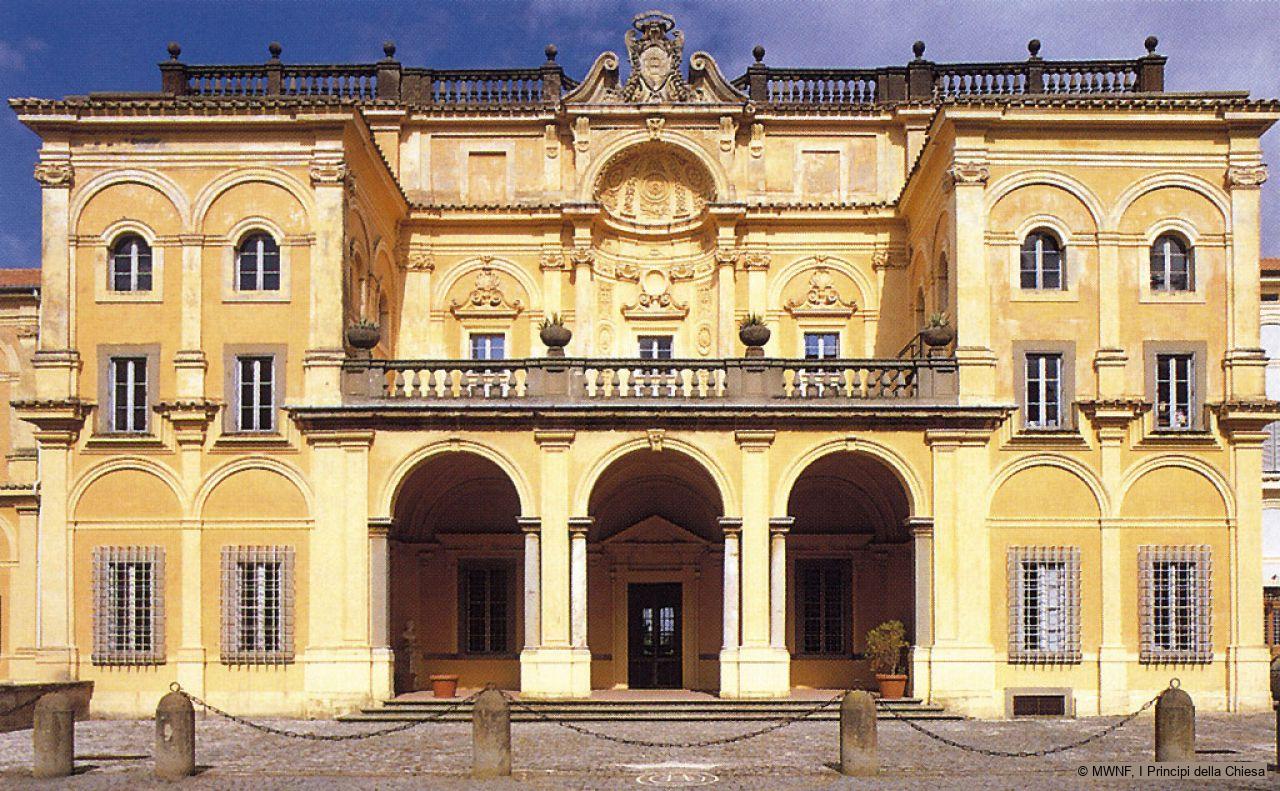
 Add to My Collection
Name of Monument:
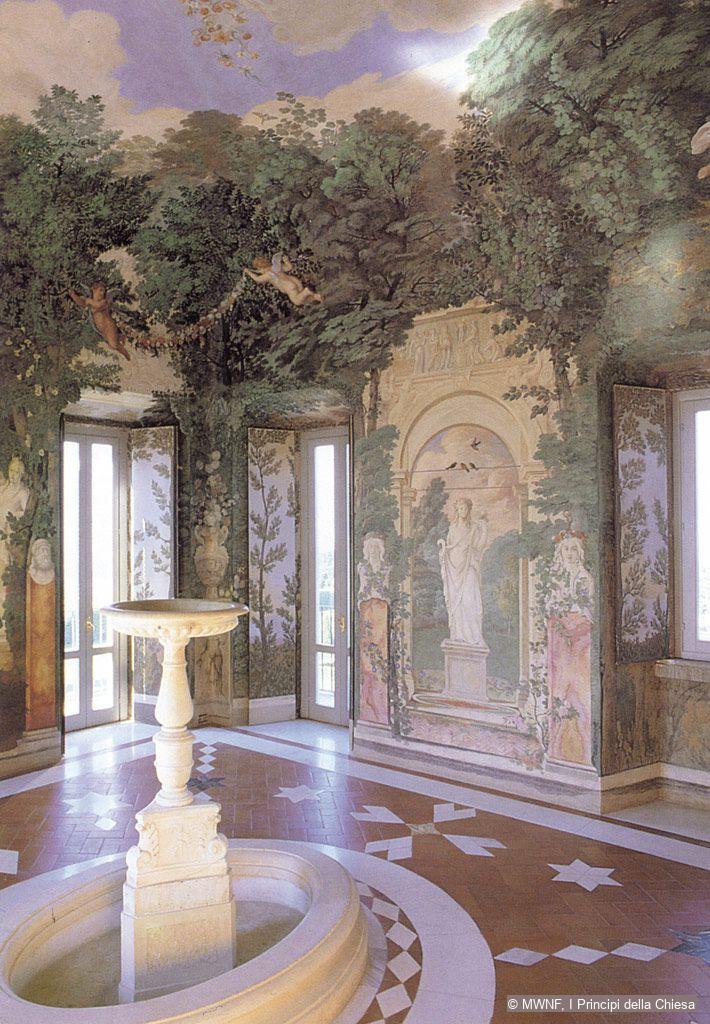
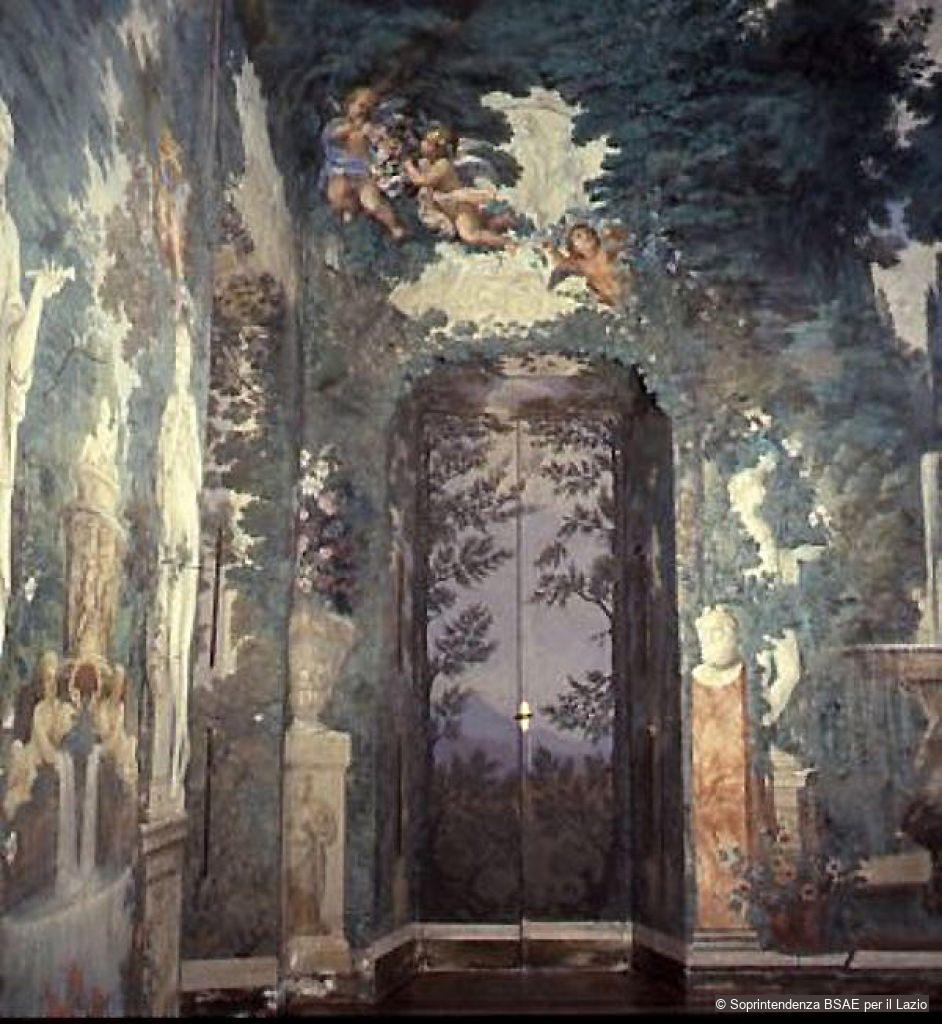
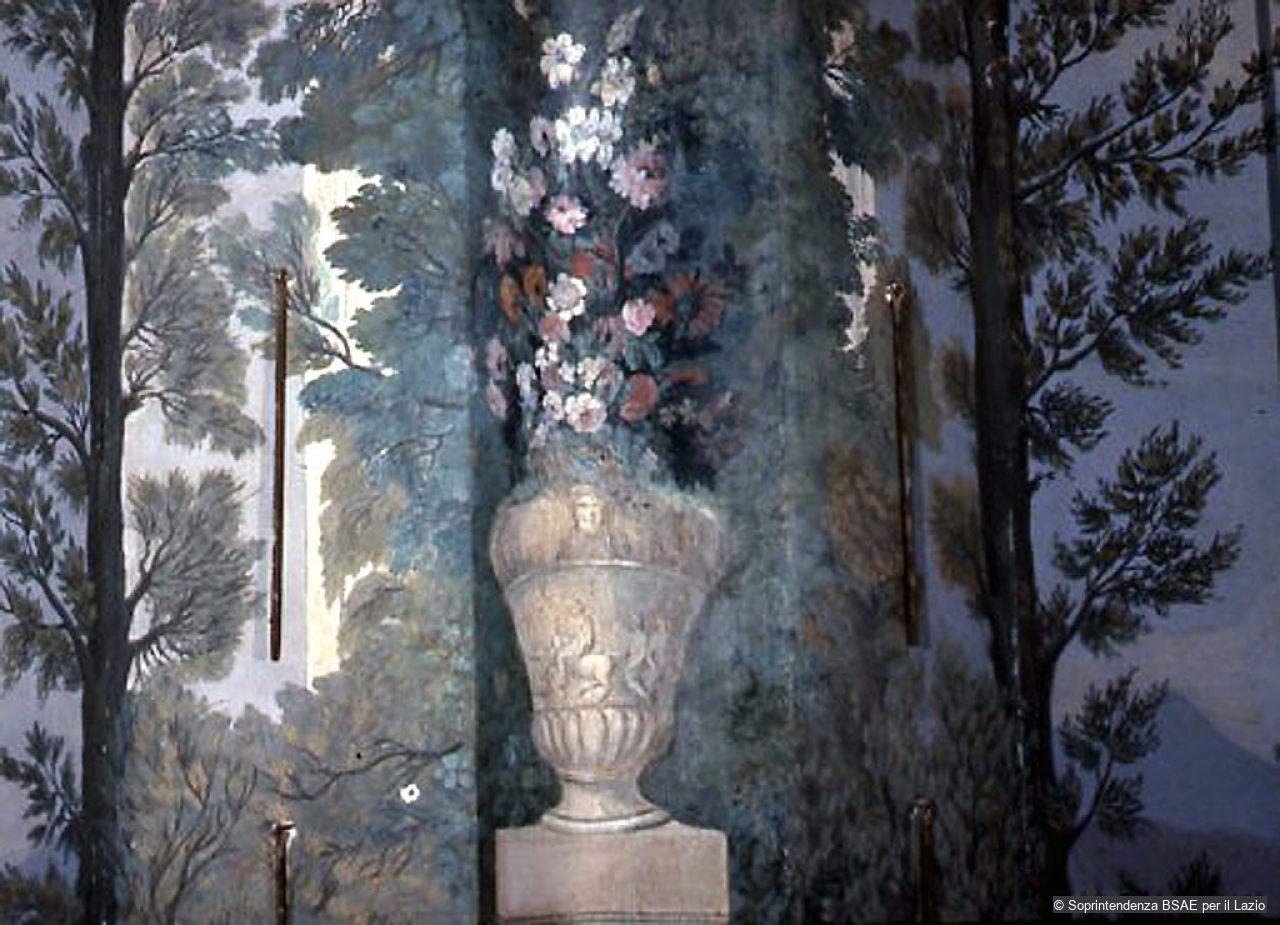
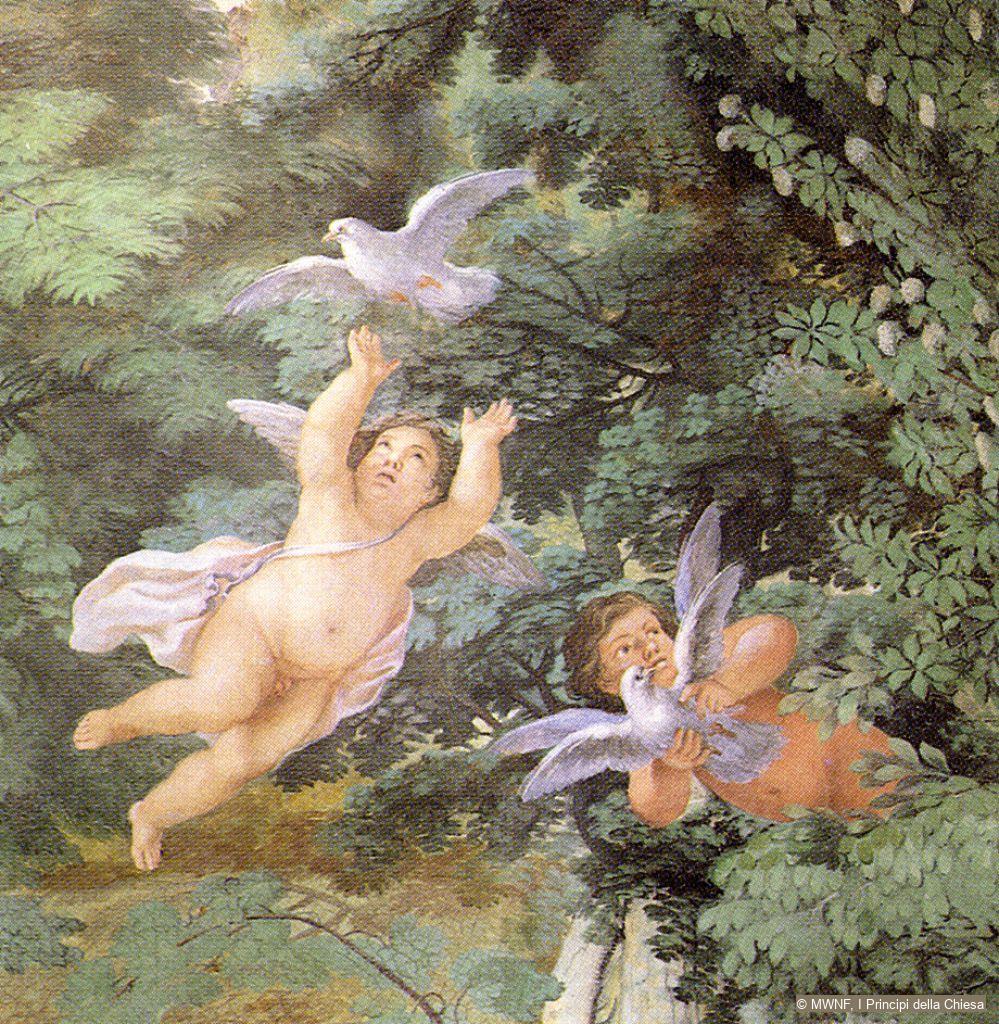
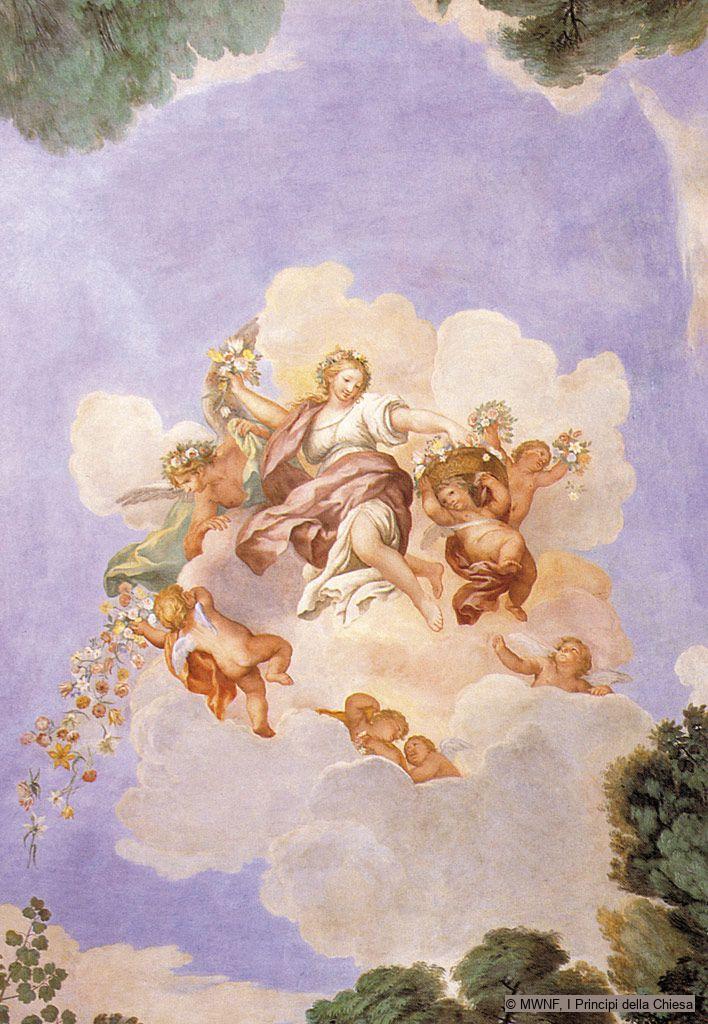
Villa Falconieri, fresco decoration in the Spring Room
Also known as:
Known as La Rufina
Location:
Frascati, Rome, Latium, Italy
Via Borromini, 5
00044 Frascati
Rome
T : +39 06 94 18 51
National Institute for the Evaluation of the Educational System of Instruction and Training (INVALSI) (Responsible Institution)
Date:
1672–1677
Artists:
Giovanni Francesco Grimaldi (1606, Bologna – 1680, Rome), painter and project leader; Ciro Ferri (1633, Rome – 1689, Rome) pupil of Pietro da Cortona (1596, Cortona – 1669, Rome)
Denomination / Type of monument:
Secular architecture, villa, summer residence
Patron(s):
Paolo Francesco Falconieri (1626–96)
History:
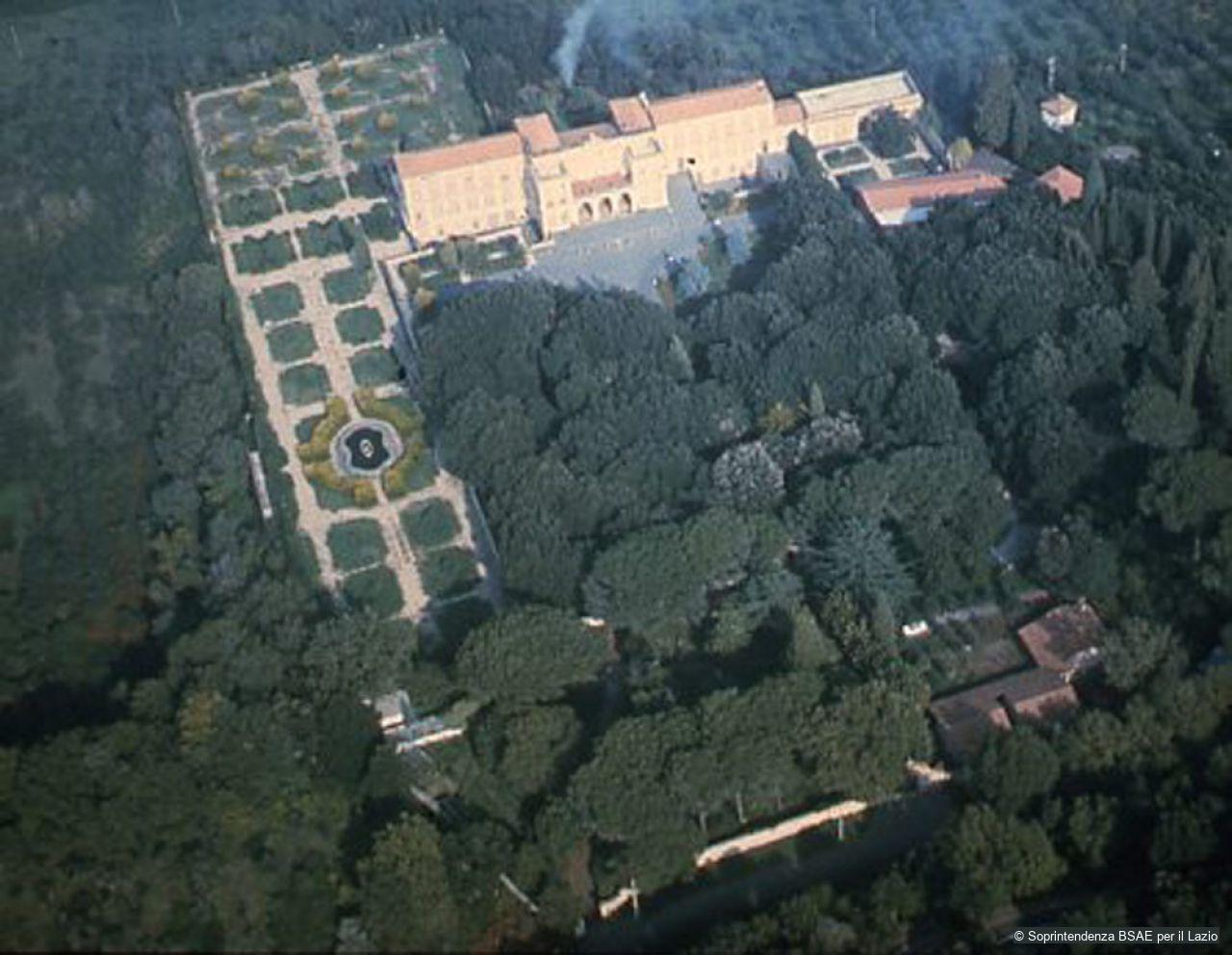
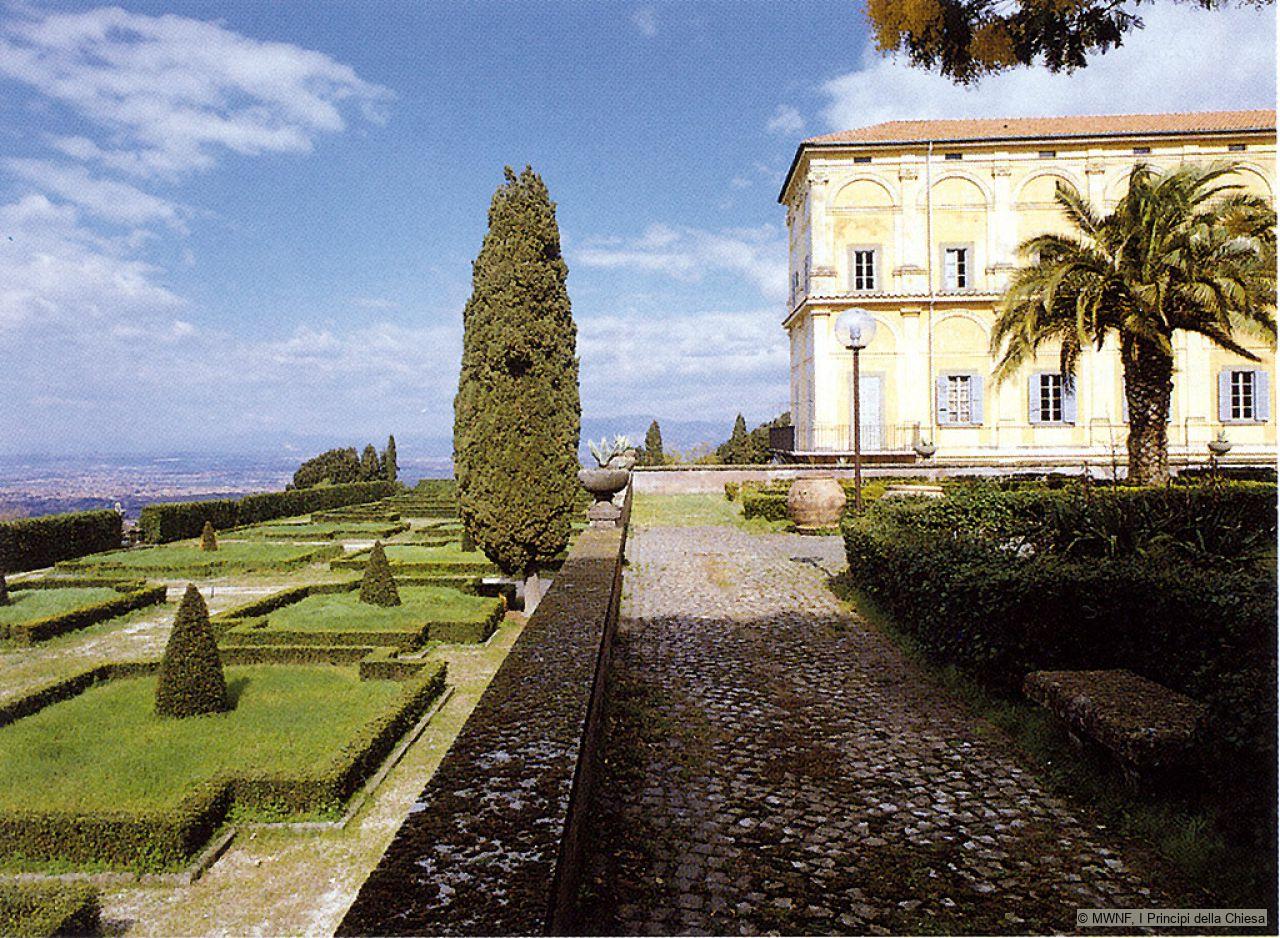
Villa Falconieri was erected on terracing originally created for a building from the Roman era. Built for Alessandro Rufini, a Cameriere Segreto (secret manservant) to Pope Paul III Farnese (1534–49), the villa originally had a square, fortified appearance with angular towers. Some decoration remains from this period, including the unicorn from the impresa of the Farnese family. It then passed to the Sforza family – related by marriage to the Boncompagni family – where it became a favourite meeting place for the papal court of Pope Gregory XIII Boncompagni (1572–85). It was at this time that Frascati became the holiday destination for the papal court and Roman nobility, reviving a tradition of otia (combining rest with meditation) thanks to its wholesome surroundings, abundance of water and the vicinity to nature. In 1628, ownership of the villa passed to the Falconieri family, which later—probably using a design by the architect Francesco Borromini (1559–1667)—entrusted Camilo Arcucci (1617/8–67), in partnership with Francesco Massari (1665–1705), with the task of expanding and converting it. The architect included the existing structure—a porticoed façade between two avant-corps—into an entirely new spatial concept, creating in the upper storey an ample concave exedra, which enabled optimum use to be made of the light, both in the contrast between voids and in-filled sections and of the alternating concave and convex forms, highlighted by the blind arches that frame the windows and decorate the entire façade, as was his preference.
Description:
The interior was decorated immediately after the architectural extension, and was executed between 1668 and 1680 (possibly 1672–77), according to a single plan inspired by the cycle of the seasons and the ancient outline provided by Ovid's Fasti. The trompe l'oeils decoration is by Grimaldi, who after the death of Pietro da Cortona in 1669 directed some of the artwork using Cortona's pupils. The works harmoniously incorporate a range of different elements: the image of a garden in which the trees act as theatre wings, giving depth to the space and reflecting Grimaldi's scenographic culture; the rich vegetation surrounding the space in a sort of idealised isolation; the statues with garlands of flowers and the painted fountains and architecture – the whole marked by classical references and flights of fancy, filled with springtime symbols of flowers and fruits.
The vault—painted by Ferri, Pietro da Cortona's principal pupil—shows Flora intent on scattering flowers and accompanied by the winds, in line with traditional iconography, stylistically characterised by graceful rhythms in polished forms with a classical style, a precursor to the shift towards Rococo.
The Spring Room is part of a decorative cycle dedicated to the four seasons. Different elements representing the seasons merge harmoniously in trompe-l'oeils painted on the walls filled with springtime symbols of fruits and flowers. The vault depicts Flora, intent on scattering flowers and accompanied by the winds.
How Monument was dated:
Guerrieri Borsoi, M. B., Villa Rufina Falconieri, Rome 2008.
Selected bibliography:
Guerrieri Borsoi, M. B., Villa Rufina Falconieri: la rinascita di Frascati e la più antica villa tuscolana, Rome 2008 (with bibliography).
Citation of this web page:
Laura Indrio "Villa Falconieri, fresco decoration in the Spring Room" in "Discover Baroque Art", Museum With No Frontiers, 2026.
https://baroqueart.museumwnf.org/database_item.php?id=monument;BAR;it;Mon13;1;en
MWNF Working Number: IT1 01
RELATED CONTENT
On display in
Exhibition(s)
The Use of Colours in Art
Primary Colours and Emotions | Primary Colours in Architectural MonumentsDownload
As PDF (including images) As Word (text only)