

 Back
Back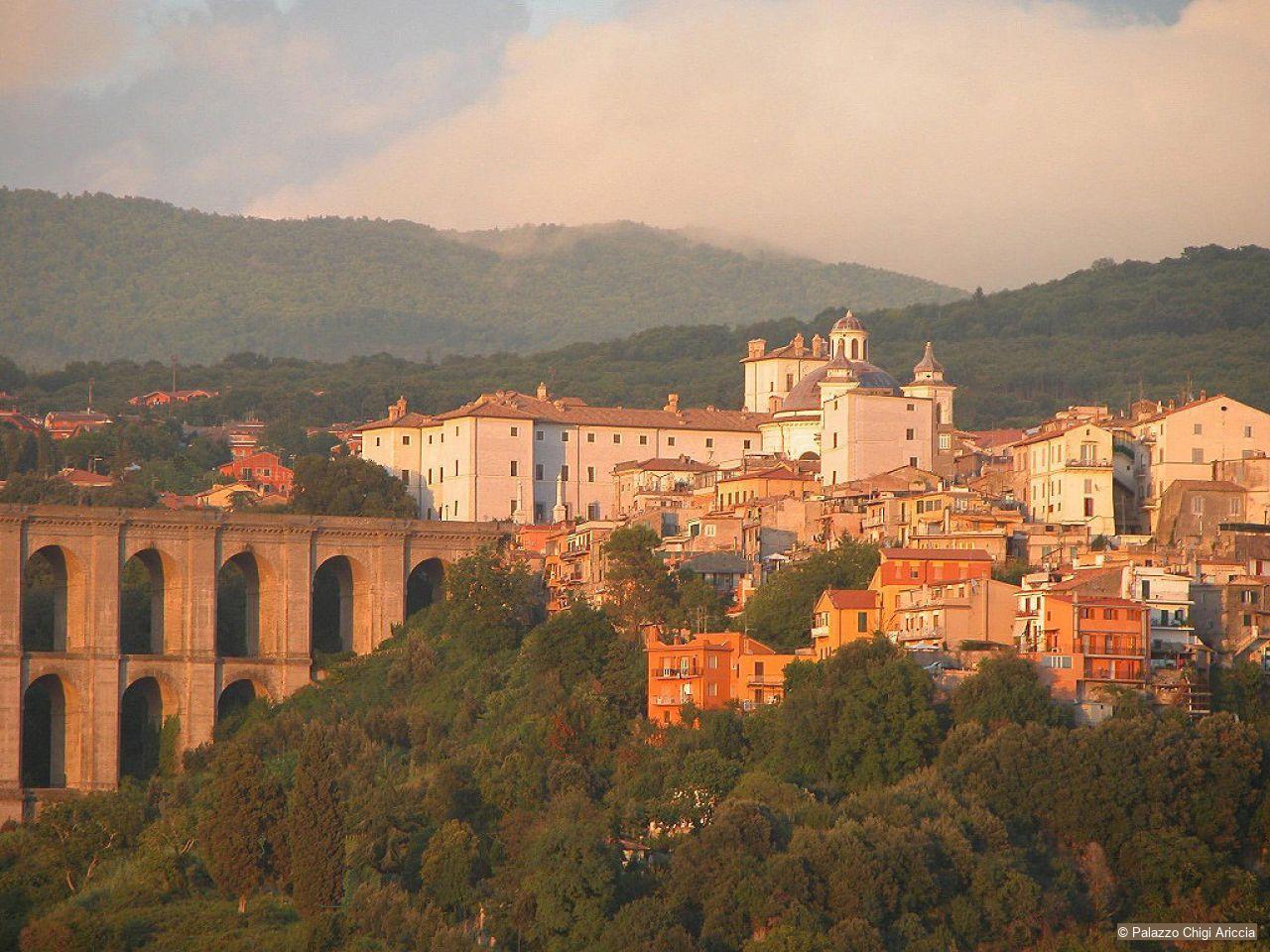
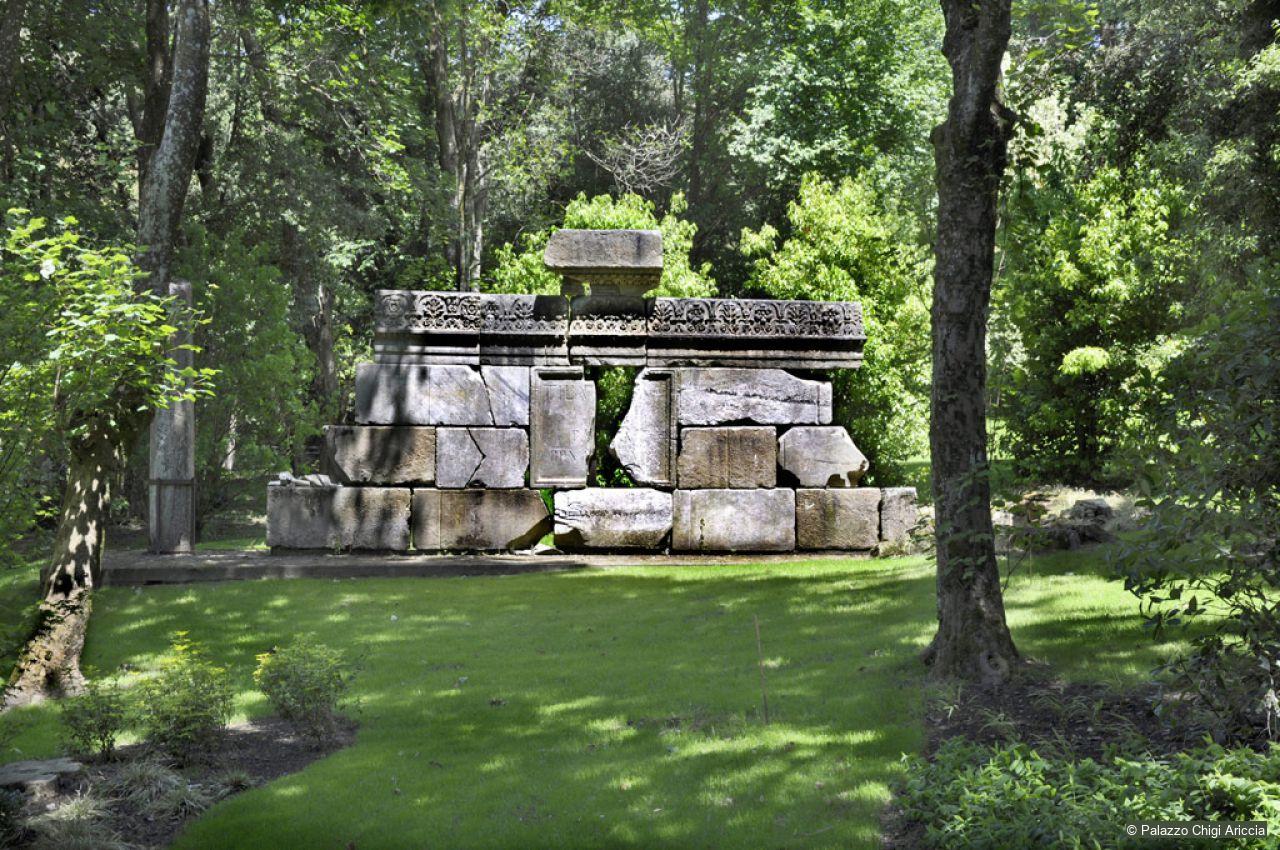
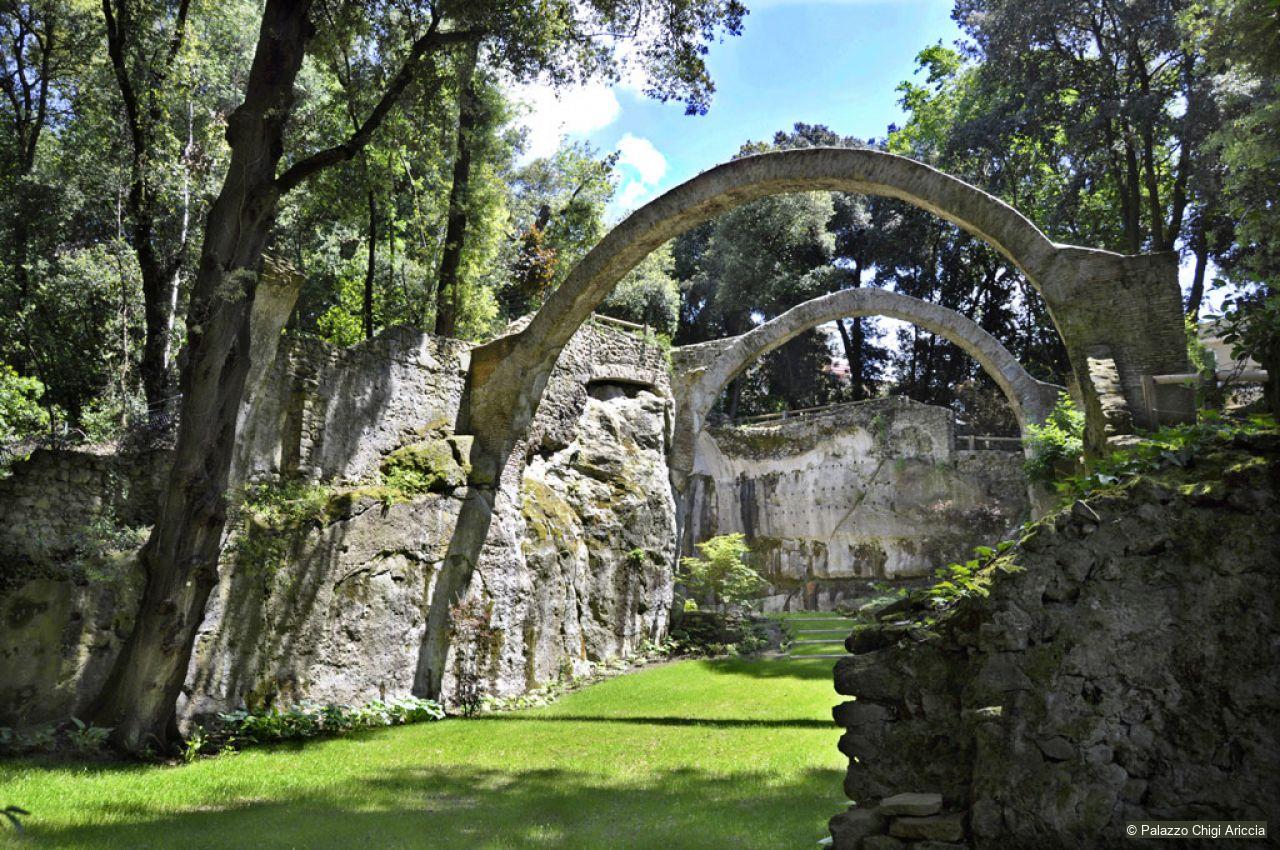
Parco Chigi, Monumento a Tiberio Latinio Pandusa
Parco Chigi, Uccelliera
 Add to My Collection
Name of Monument:
Palazzo Chigi
Also known as:
Roman Baroque Museum
Location:
Ariccia, Rome, Latium, Italy
Piazza di Corte 14
00040 Ariccia
Rome
T : +39 06 93 30 05 3
F : +39 06 93 30 98 8
E : info@palazzochigiariccia.it
Ariccia town council (Responsible Institution)
Date:
1664–1672
Artists:
Gian Lorenzo Bernini (1598–1680), with others (Luigi Bernini, Carlo Fontana, Mattia de’ Rossi and Giovan Battista Contini)
Denomination / Type of monument:
Secular architecture, feudal palace
Patron(s):
Mario (1594–1669), Flavio (1631–93) and Agostino (1634–1705) Chigi
History:
The palace was the stronghold of the Savelli family who converted it into a family residence. It was then acquired in 1661 during the papacy of Alexander VII Chigi (1655–67) by the Chigi family, an aristocratic family from Siena that moved to Rome in the 15th century. Among the Chigi family was Agostino Chigi, a banker and treasurer to the Church. It was the Chigi family that commissioned the renovation work presumably from Bernini and others. Palazzo Chigi remained in the Chigi family until 1998 when it was acquired by Ariccia Town Council and converted into a cultural centre and museum.
Description:
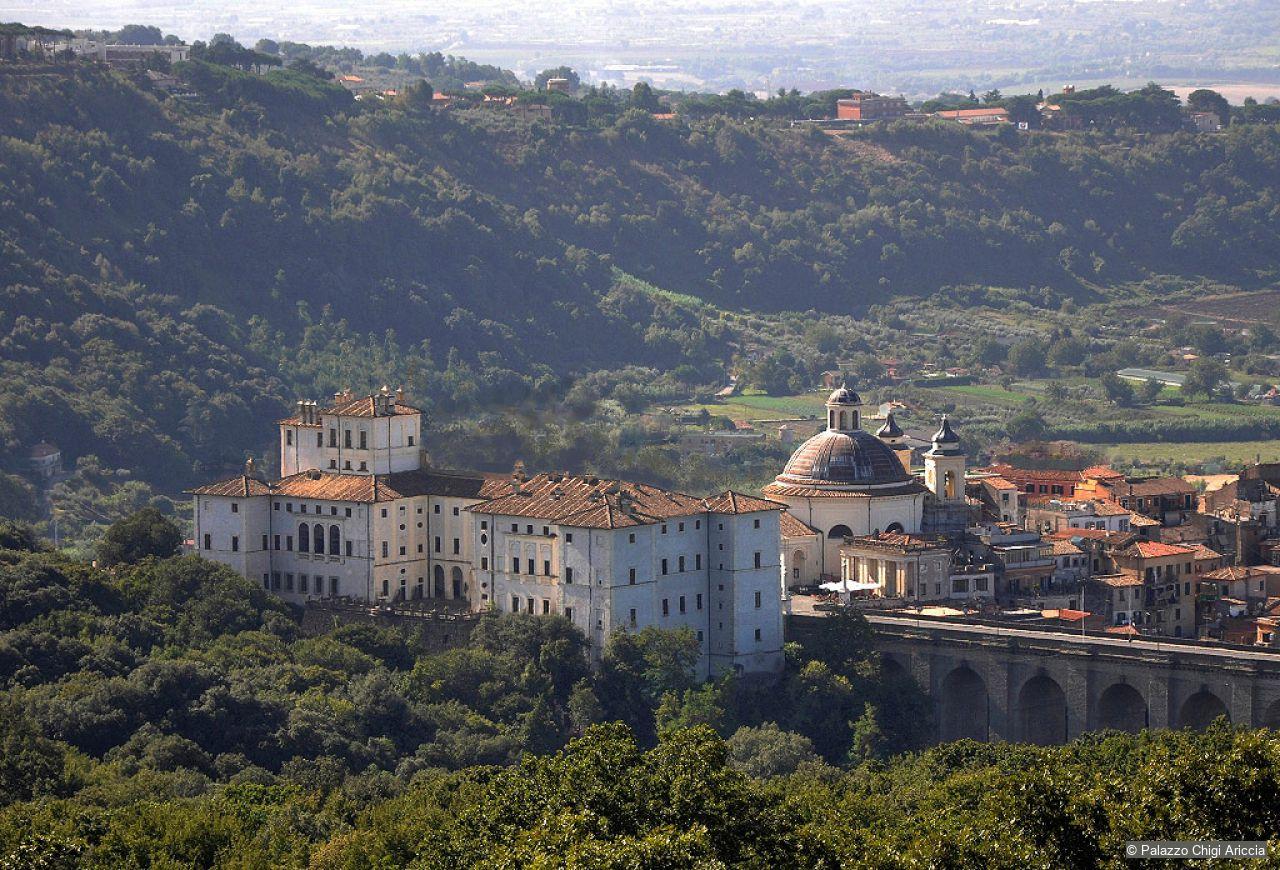
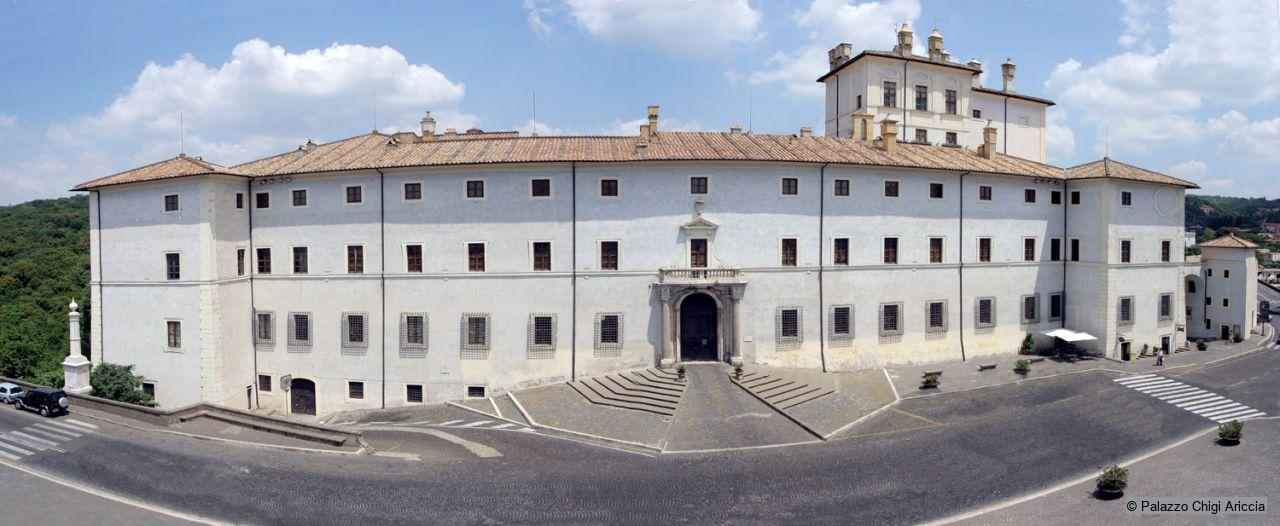
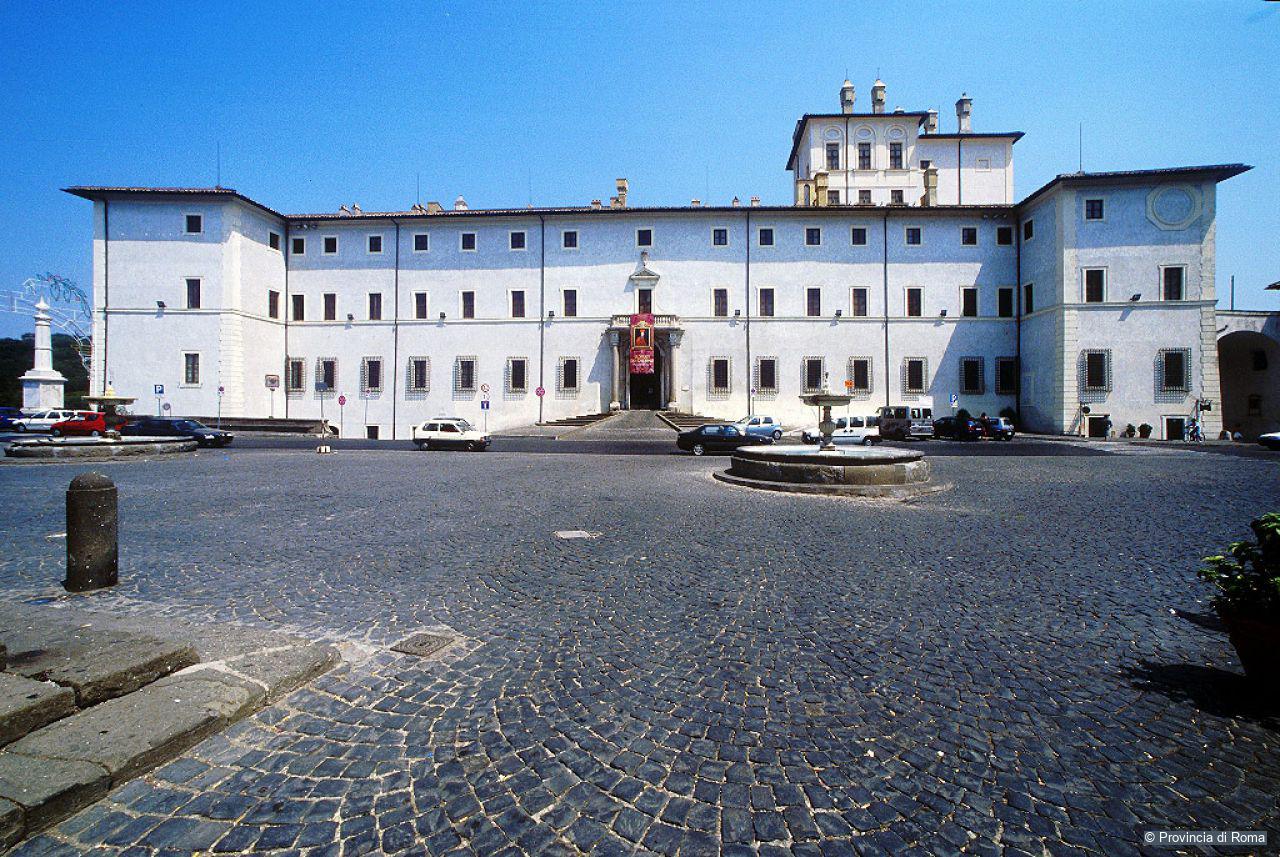
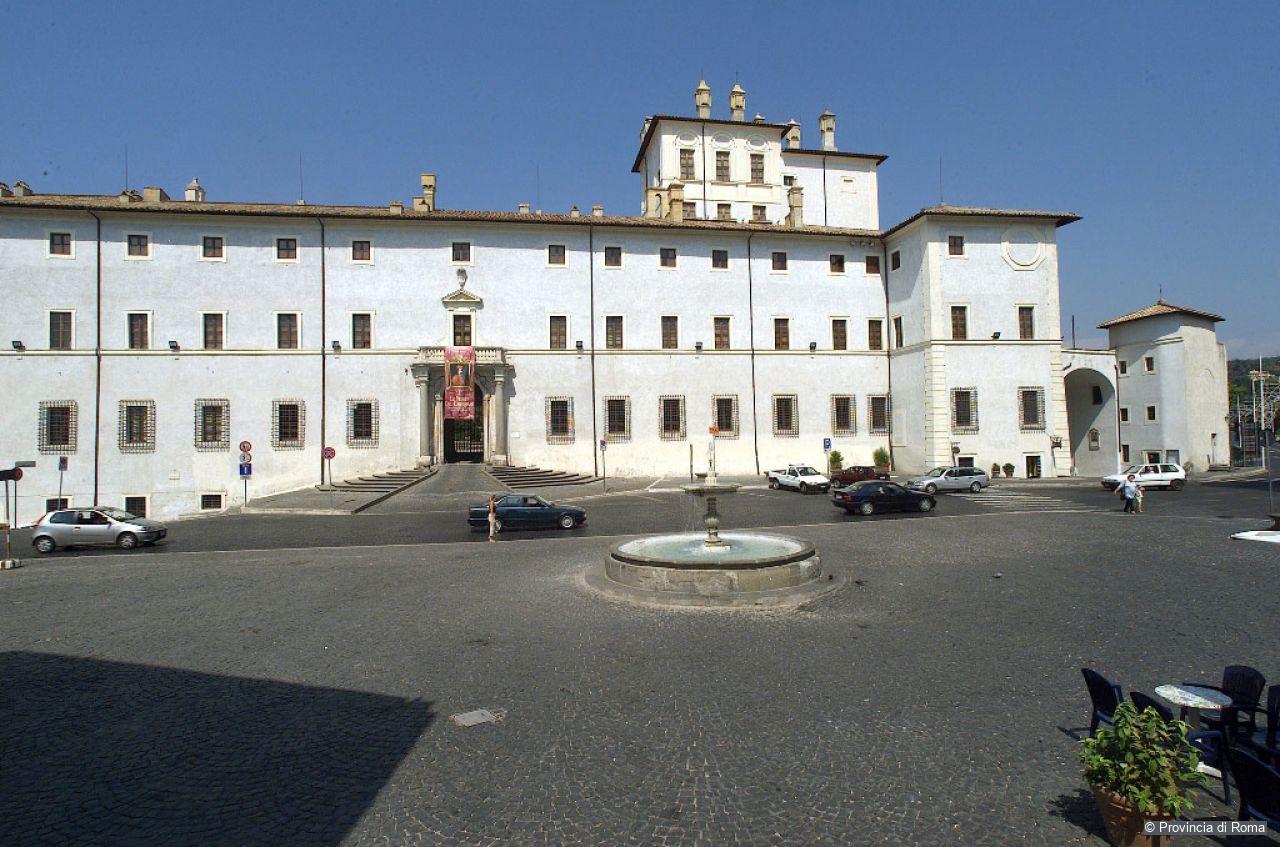
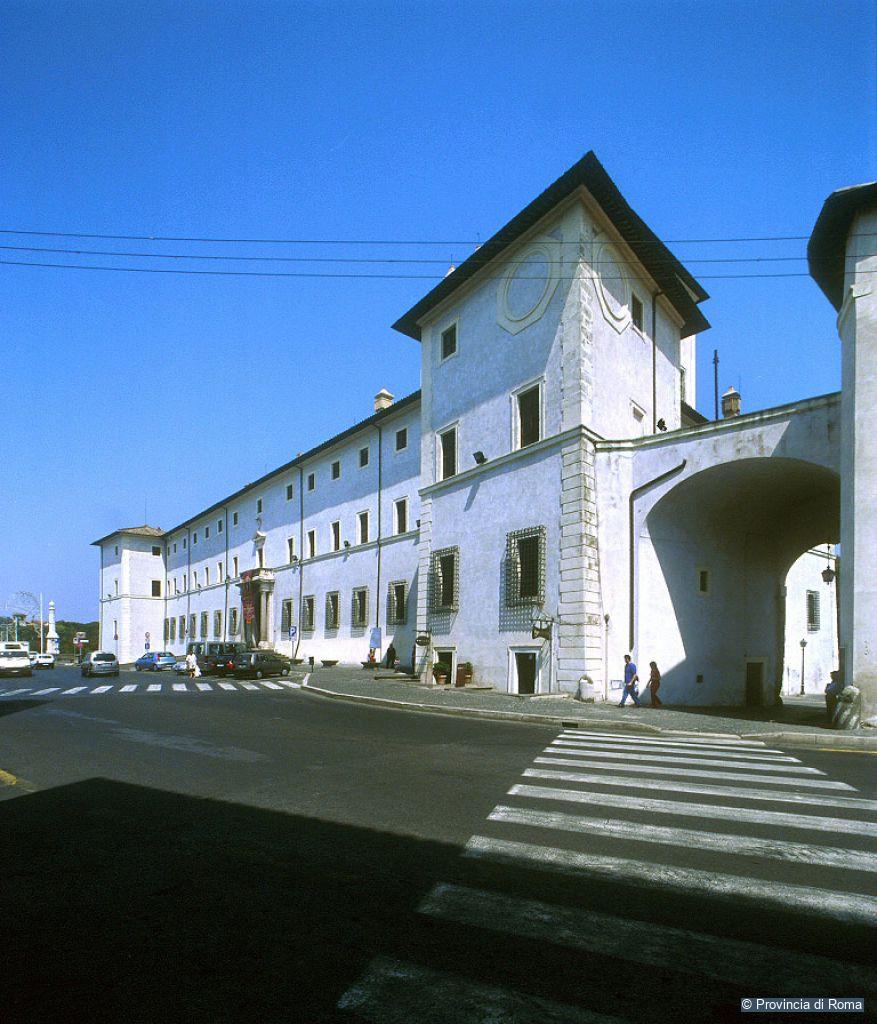
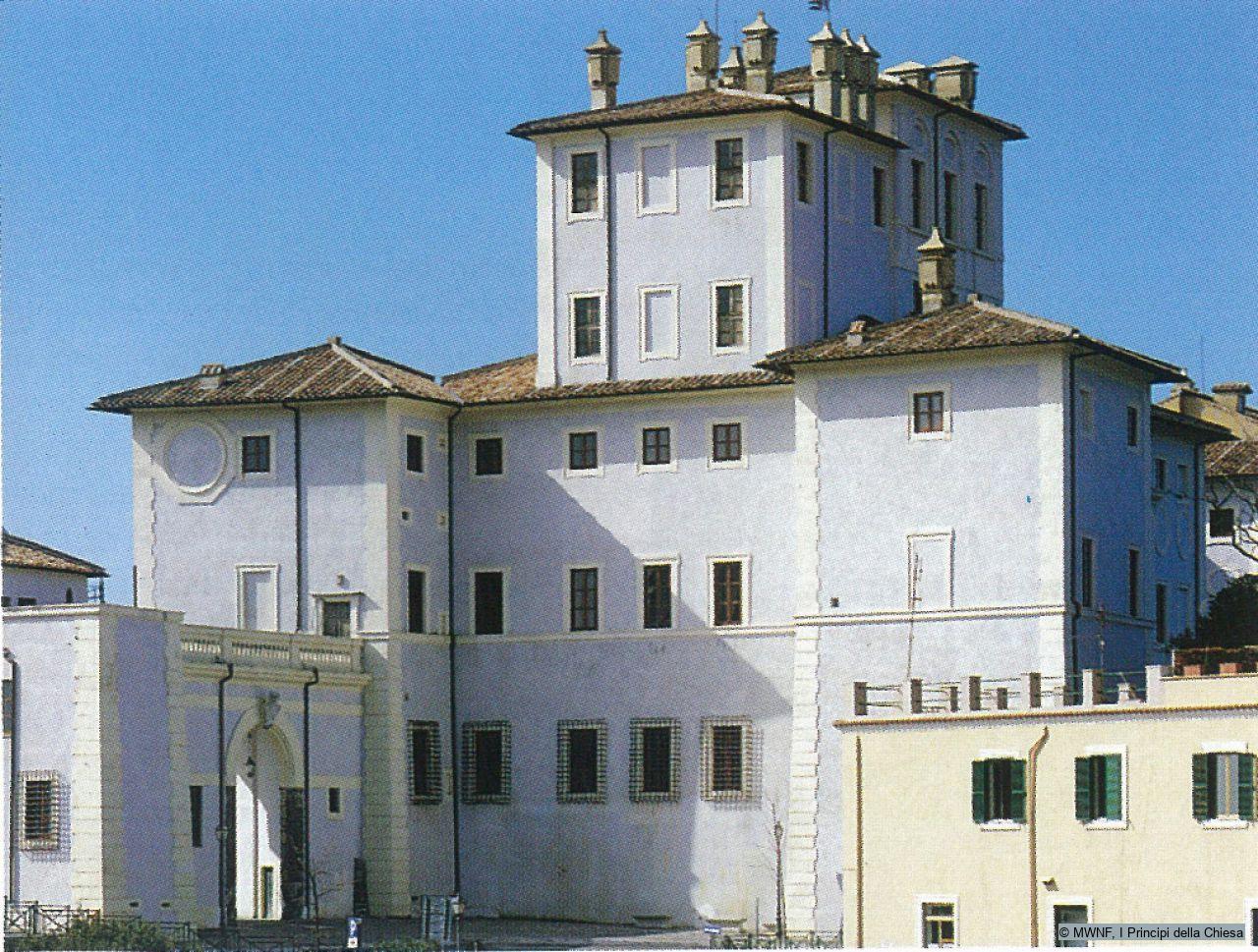
Renovation of Palazzo Chigi was commissioned by the Chigi family following their acquisition of it in 1661. During renovation, the original fortified-palace aspect with repeating angular towers on all four sides was retained, while the façade connected to the Porta Napoletana on Via Appia remained simple, despite the addition of the portal and balustrade balcony.
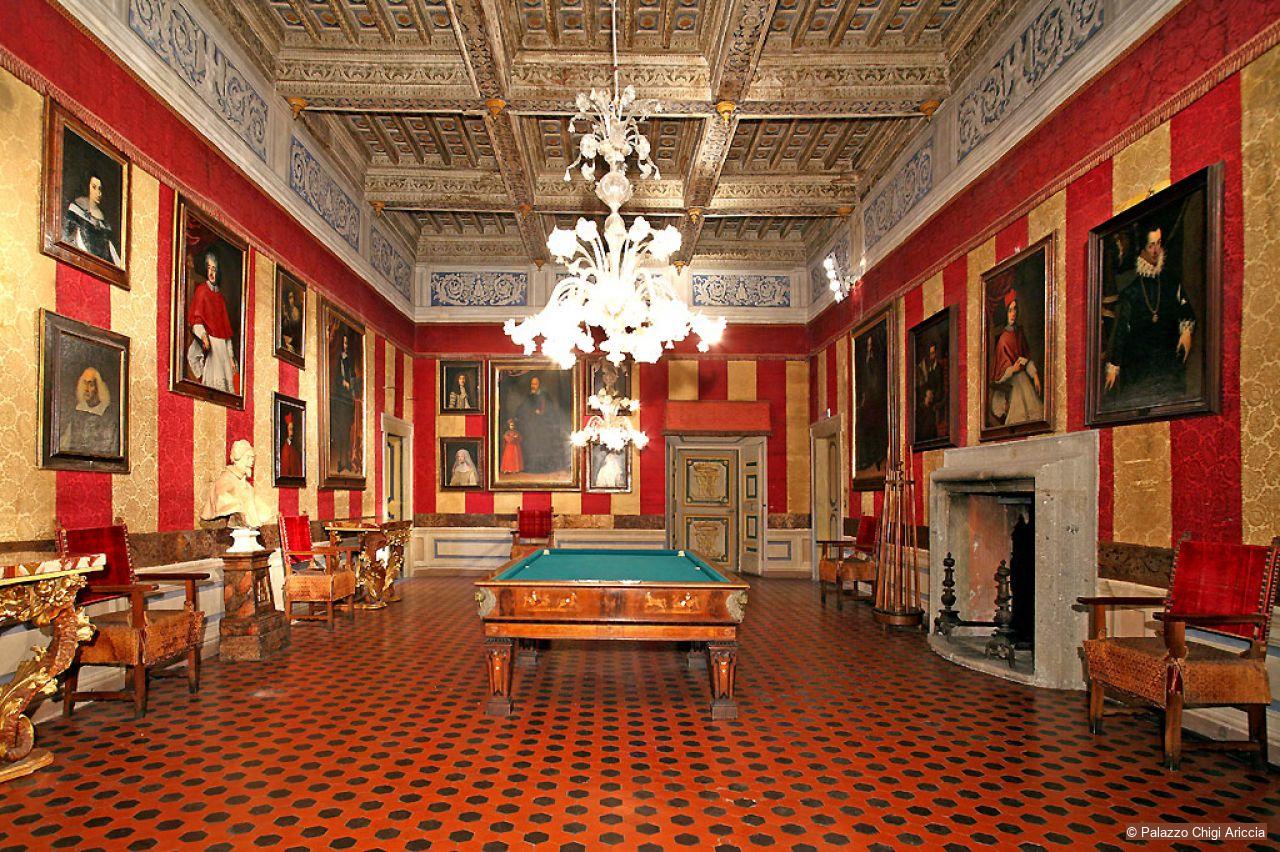
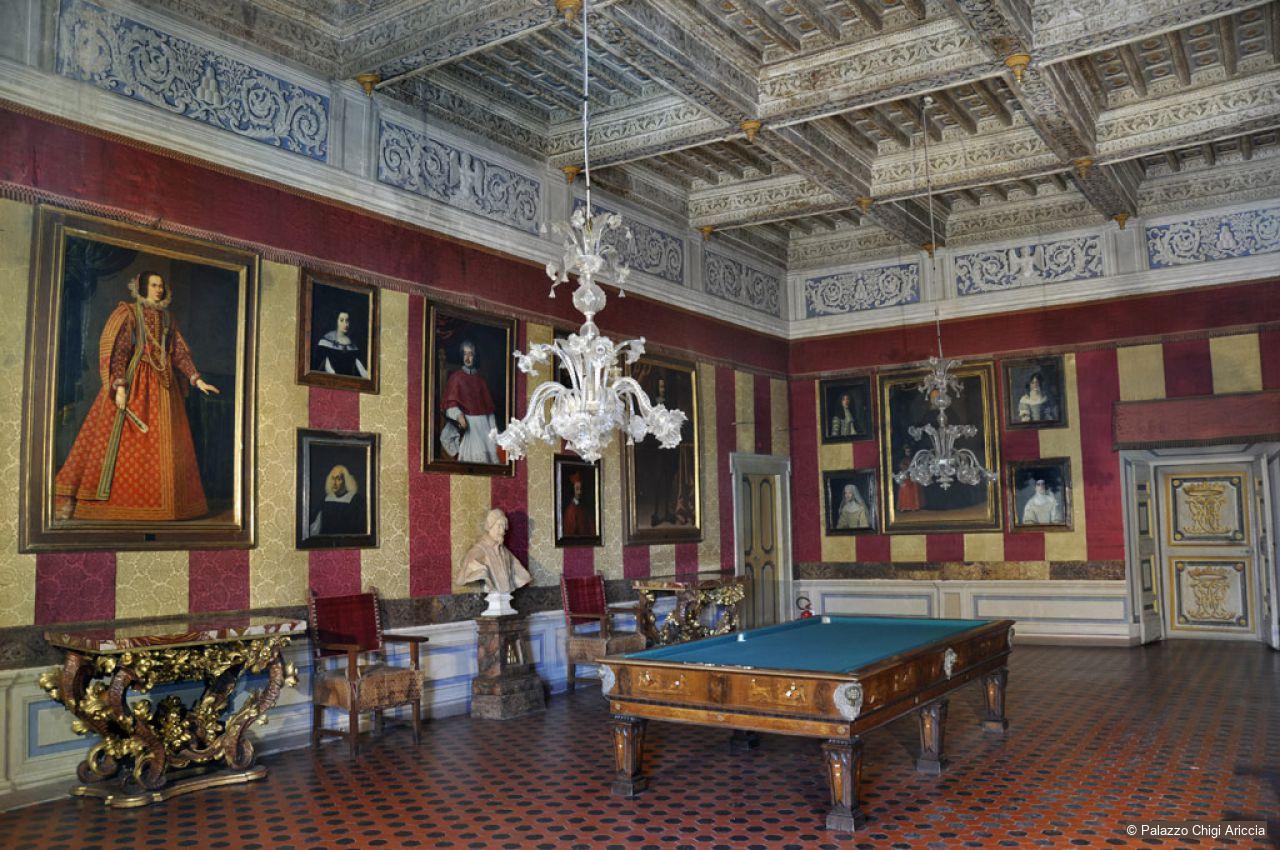
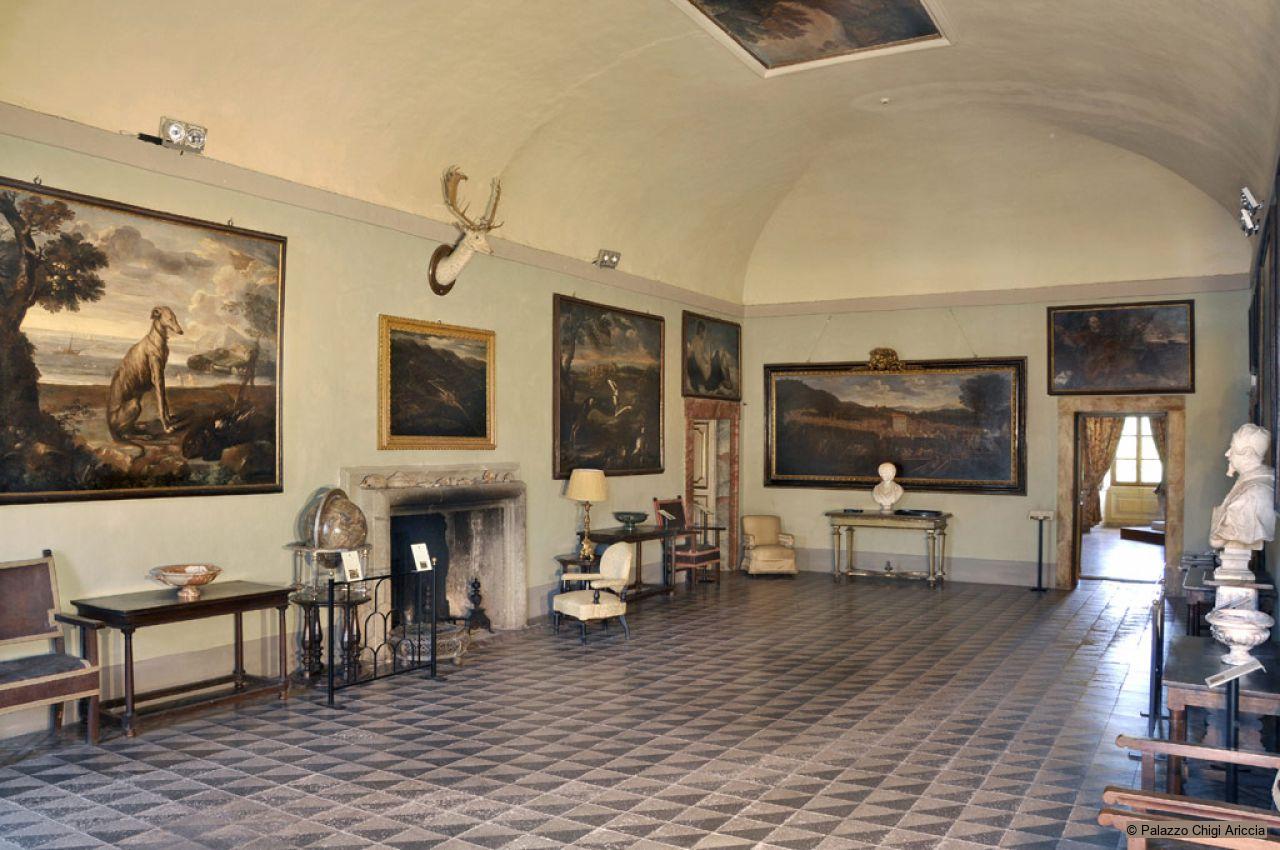
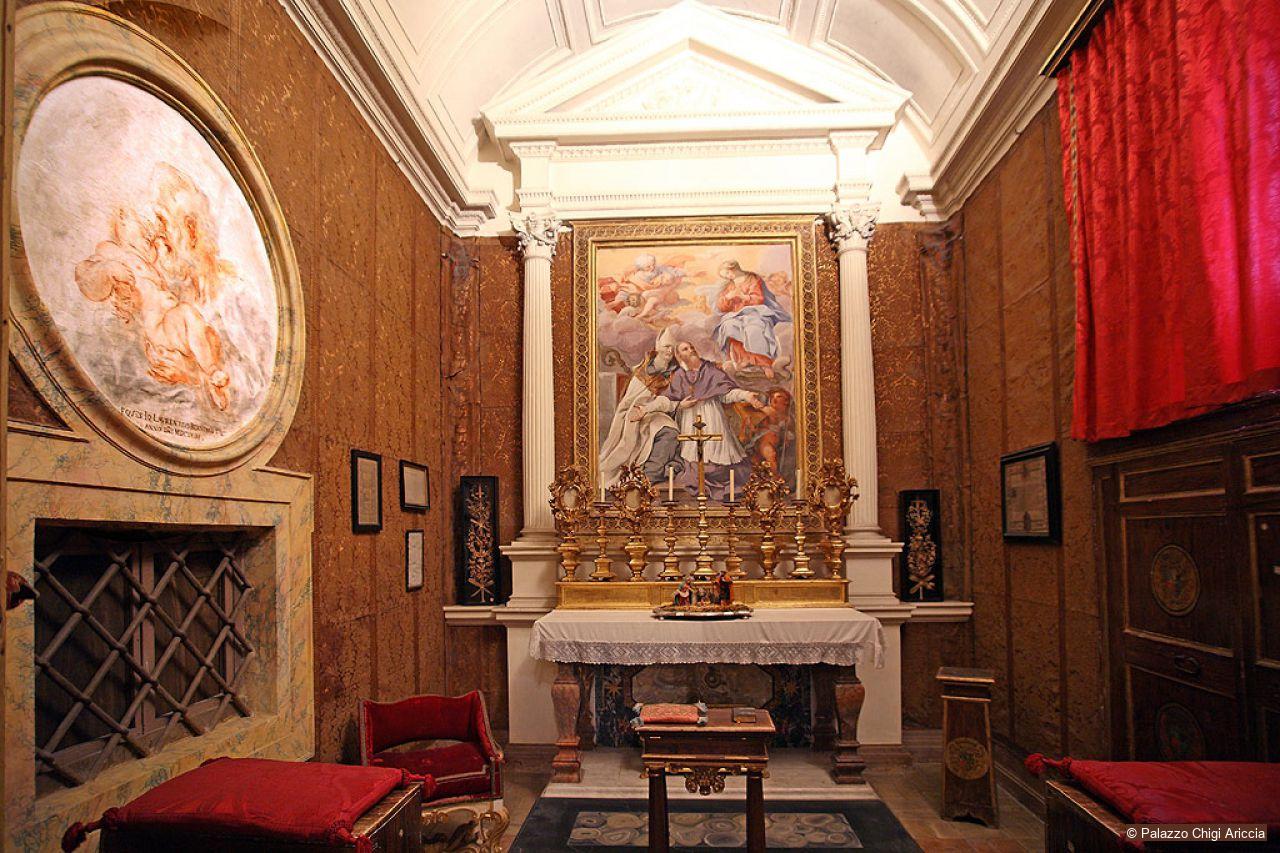
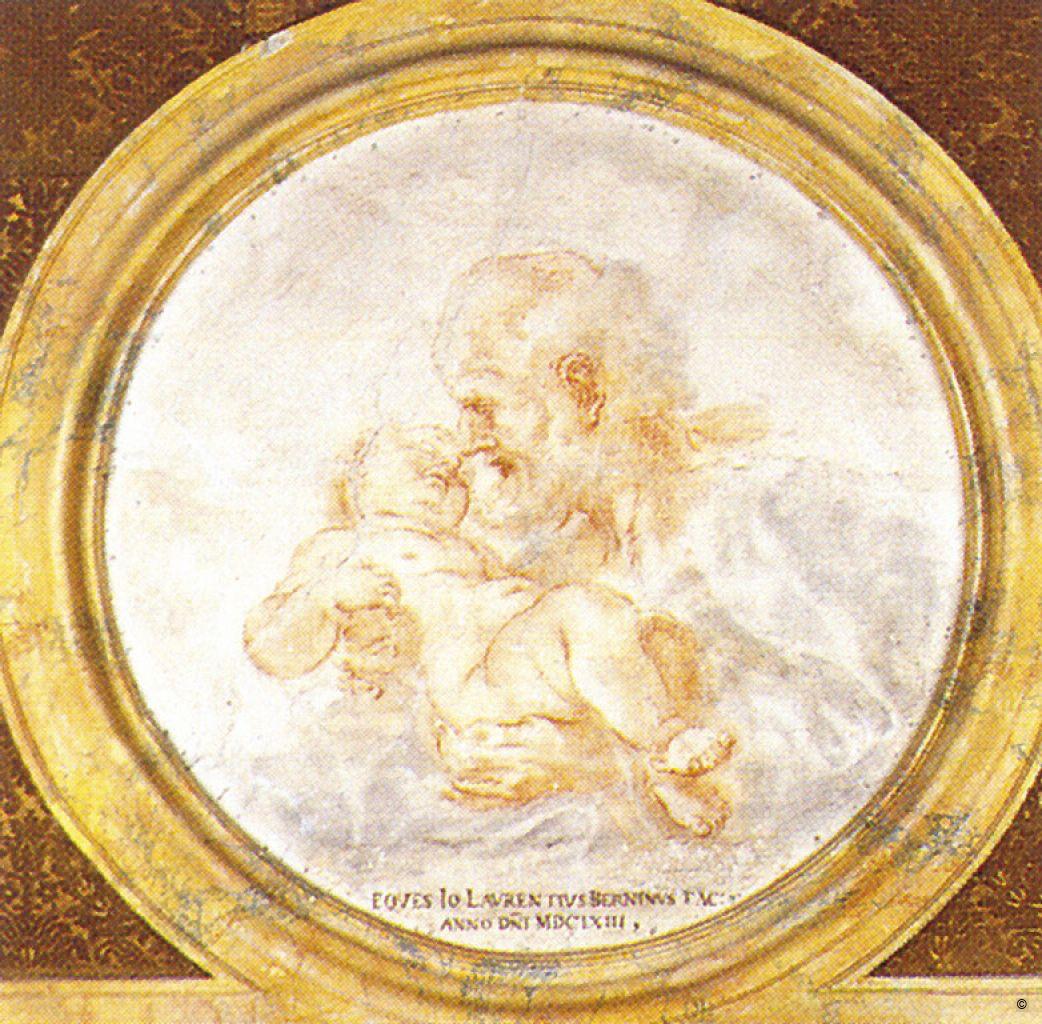
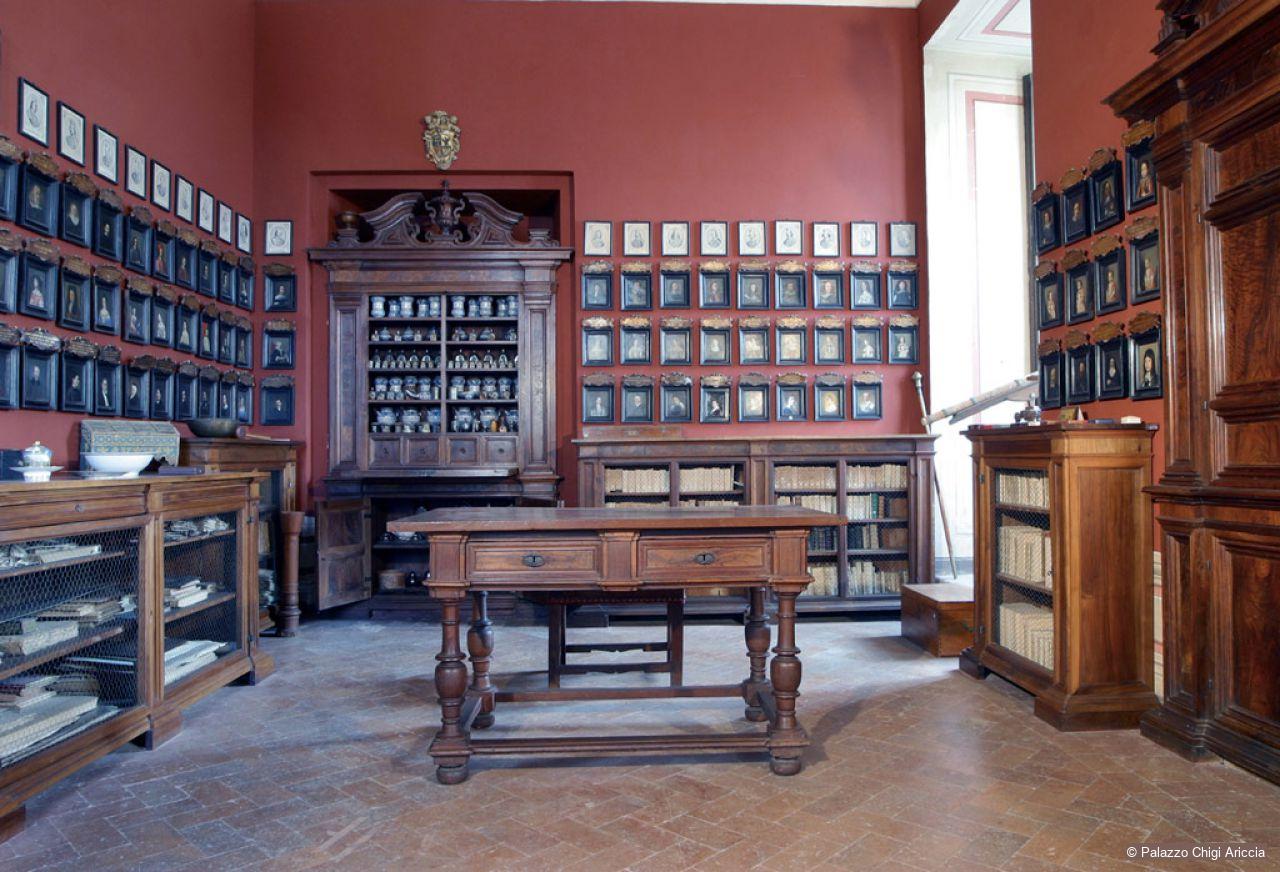
The interior is an almost unique example in the region of an ancient residence whose fixtures and fittings have been retained in full: the decorative frescos in the halls along with the extensive collection of paintings that include portraits, landscapes and allegories that represent many of the genres typical of country residences of the period. Gilt-leather wall hangings still adorn the walls, as does the sanguine used on the walls by Bernini to decorate the chapel; marble and terracotta busts of family members, the series of portraits of “Beautiful Women” and the cabinets designed for the pharmacy, are all still in situ. In recent years the top storey of the palace has been home to the interesting Roman Baroque Museum established by means of significant donations from the Lemme, Fagiolo and Laschena collections, and providing an exhaustive overview of Roman painting from 1600 to 1700, with masterpieces by Mattia Preti, Pietro da Cortona, Giacinto Brandi, Sebastiano Conca, Corrado Giaquinto, Pompeo Batoni, Domenico Corvi and many others. To the rear, the beautiful park leading to the shores of Lake Nemi—full of holm oak, ash and Turkey oak—is still inhabited by animals that constituted the family’s private hunting reserve, as was customary at the time.
The palace was deliberately linked to the Church (see IT1 26) as the main defining element of the Piazza di Corte, an urban development intended by the Chigi family as the fulcrum of the routes through the residence—originally entirely in the lower part and therefore completely and symbolically dominated by the structure of the square—and between this and the surrounding area, crossed by the ancient Via Appia linking Rome and Naples. Today, both the monumental bridge built by Pius IX between 1846 and 1854 and the expansion of the town have, unfortunately, obscured the symbolic and dimensional links of palace and square, which was designed almost as a terrace for the palace, facing the town.
The palace is an almost unique example in the region of an ancient residence whose fixtures and fittings have been retained in full: the decorative frescos in the halls; the extensive collection of paintings; the gilt-leather wall hangings and the sanguine used on the walls by Bernini to decorate the chapel; the marble and terracotta busts of family members; the series of portraits of “Beautiful Women” and the cabinets designed for the pharmacy. Consequently, it was chosen by Luchino Visconti as the setting for his famous film The Leopard.
Selected bibliography:
Petrucci, F., “Bernini, Flavio Chigi ed Ariccia: un Rinascimento barocco”, L’Ariccia del Bernini, Rome 1998, pp. 17–42.
Petrucci, F., “La piazza di Corte nel tempo” in Piazza di Corte: il recupero dell’immagine berniniana …, (M. Natoli, ed.) Rome 2000, pp. 1–20.
Petrucci, F., (ed) Le Stanze del Cardinale, Rome 2003.
Il Museo del barocco romano: la collezione Lemme …, Rome 2007.
Il Museo del barocco romano: la collezione Ferrari. Laschena ed altre donazioni …, Rome 2008.
Citation of this web page:
Laura Indrio "Palazzo Chigi" in "Discover Baroque Art", Museum With No Frontiers, 2026.
https://baroqueart.museumwnf.org/database_item.php?id=monument;BAR;it;Mon13;14;en
MWNF Working Number: IT1 14