

 Back
Back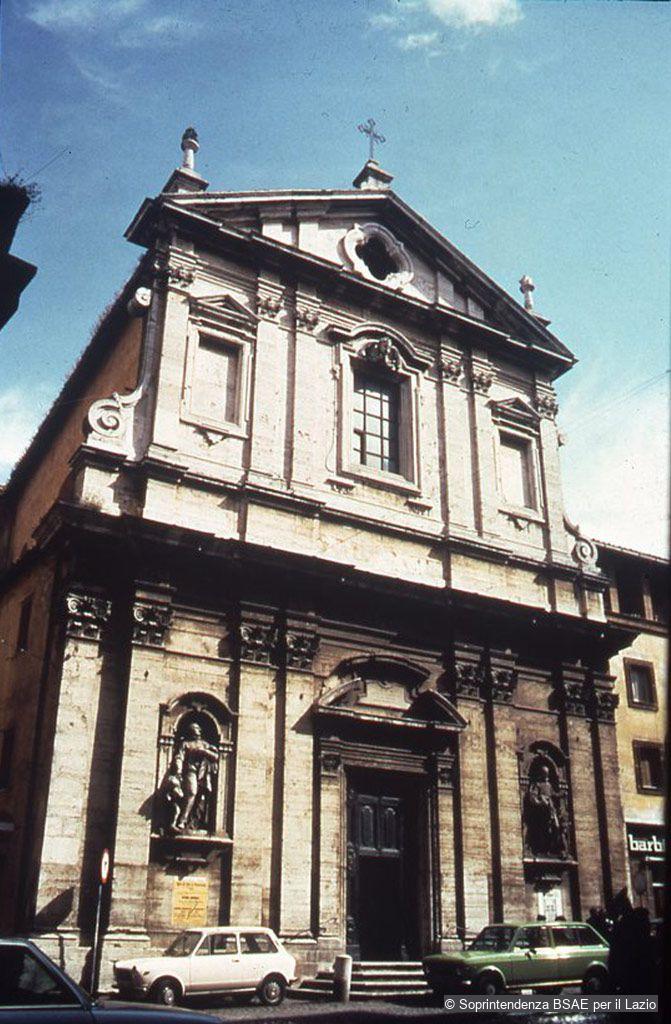
 Add to My Collection
Name of Monument:
Church of the Gesù, painted architecture of the high altar
Location:
Frascati, Rome, Latium, Italy
St. Peter’s Square
00044 Frascati
Rome
T : +39 06 69 70 01
Suburbicarian Diocese of Frascati (Responsible Institution)
Date:
1699–1700
Artists:
Andrea Pozzo (1642, Trento – 1709, Vienna) with the help of his Jesuit pupil, Antonio Colli (died, Rome, 1723)
Denomination / Type of monument:
Religious architecture, church
History:
The Church of the Gesù, now found right in the centre of the city on account of gradual urban expansion, dates back to the late 16th–17th/early 17th–18th centuries, although there were Jesuits in the city from 1559. The church was expanded to its current form with the support of Olimpia Aldobrandini Pamphili, after her death in 1681 (between 1696 and 1700), according to the traditional Jesuit model already used in the Roman churches of the Gesù, Sant’Ignazio and Vallicella.
Description:
The church, based on a design in the Counter-Reformist style, has a wide nave with chapels that are intended to harmoniously combine the practical needs of preaching (larger spaces) with a sober, strict feel.
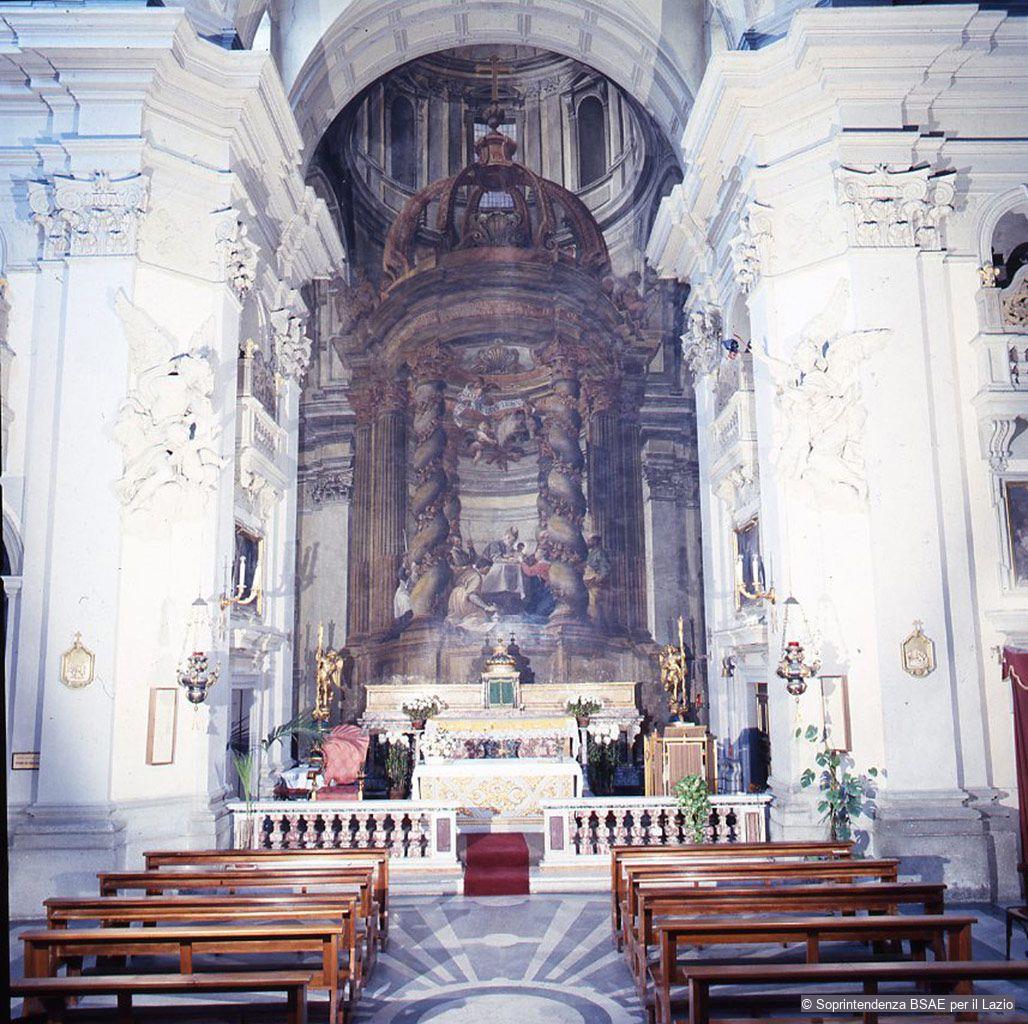
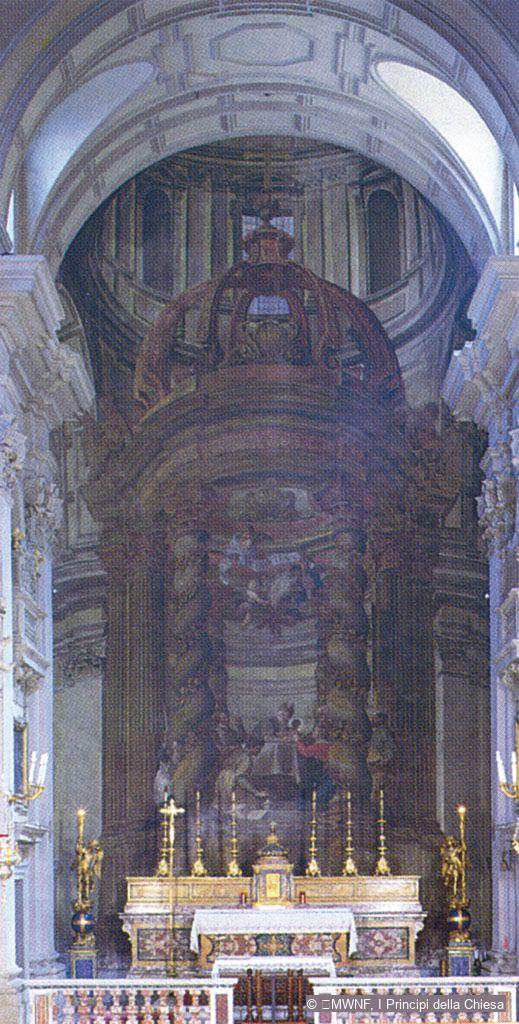
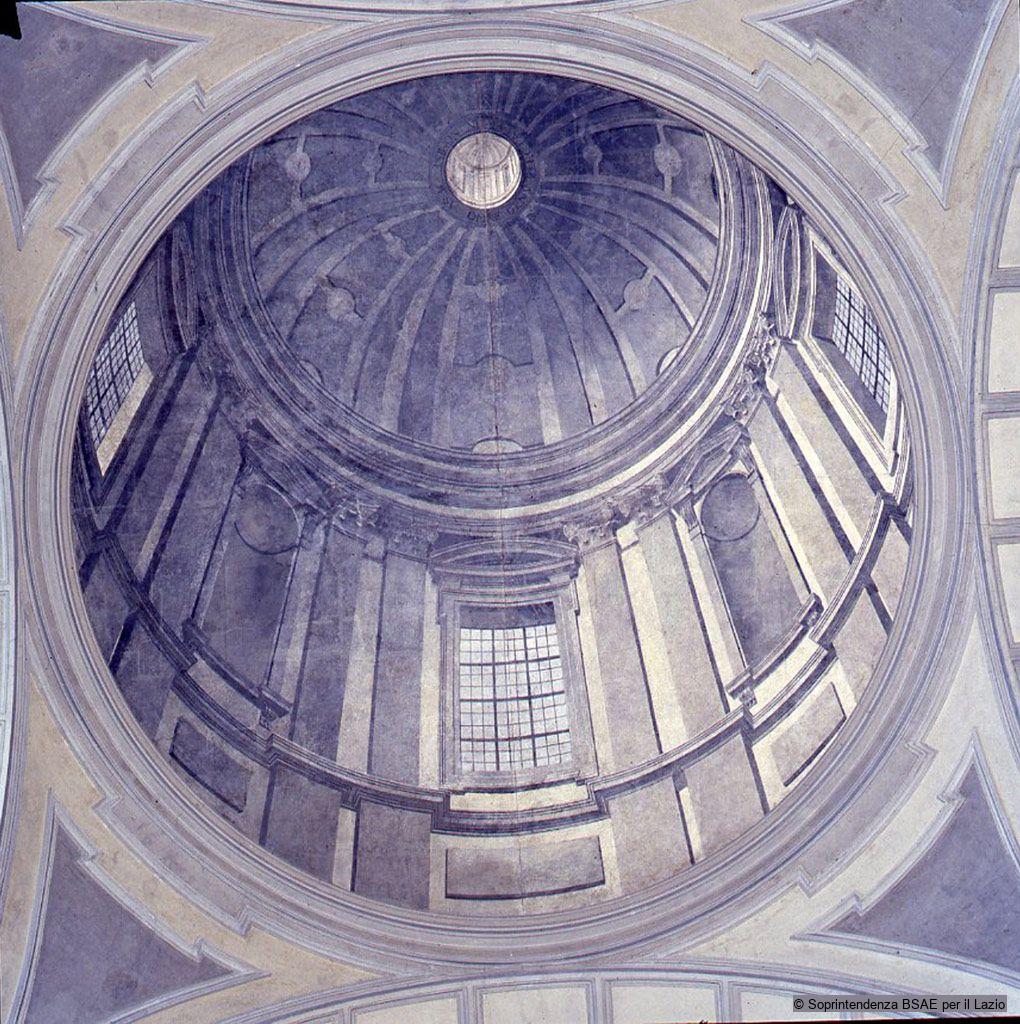
Also for practical—as well as didactic—ends, the Jesuit Padre Andrea Pozzo created an illusory extension to the church, creating a prolongation of the choir behind the altar that contains a mock shrine modelled on Bernini's baldachin in St Peter's, and behind which there is a scene from the Circumcision of Jesus. The central space in front of the altar is covered by a mock cupola painted in perspective. It employs the solution used in Rome at Sant'Ignazio, but with greater sobriety in its architectural simplicity, and entirely free of figures. The artist's great skill and masterful perspective work are evident in the transitions, apparently forming a harmonious whole, between the real architecture of the nave and the mock pilasters and columns surmounted by capitals and trabeations in the painted area behind the altar. It should be noted that this use of painted perspective – undoubtedly dictated by economic need – at the time also assumed a symbolic significance inasmuch as true spiritual reality was sought beyond sometimes misleading appearances, to such an extent that the focal point enabling the illusion to be best appreciated is marked on the floor by a black disk, stressing—as confirmed by Padre Pozzo himself in his treatise Perspectiva pictorum et architectorum (1693)—that there is only "one position to which the believer should strive".
For practical—as well as didactic—ends, the Jesuit Padre Andrea Pozzo painted a decorative scene that is one of the masterpieces of Baroque illusionistic art. A shortage of economic resources prompted the artist to create an illusory extension of the space in the church, creating a prolongation of the choir behind the high altar that contains a mock shrine, which stands before a representation of the Circumcision of Jesus.
How Monument was dated:
Tantillo, A.M., "Chiesa del Gesù", I principi della chiesa, Milan, 1998.
Selected bibliography:
Pipita, G., La chiesa del Gesù a Frascati: pitture di Andrea Pozzo, Frascati 1995.
Tantillo, A. M., "Chiesa del Gesù", I principi della chiesa, Milan 1998, pp. 100–101.
"Colli Antonio", SAUR Allgemeines Kuenstler-Lexikon, 20, Munich-Leipzig 1998, p. 296.
Citation of this web page:
Laura Indrio "Church of the Gesù, painted architecture of the high altar" in "Discover Baroque Art", Museum With No Frontiers, 2026.
https://baroqueart.museumwnf.org/database_item.php?id=monument;BAR;it;Mon13;2;en
MWNF Working Number: IT1 02
RELATED CONTENT
On display in
Exhibition(s)
Discover Baroque Art
Languages of Baroque | Illusion, gesture and movement Ephemera, Festivals and Theatrical Representation | The theatre of the Church Reformation and Counter-Reformation | Religious orders and their function in transmitting the language of the Counter-ReformationDownload
As PDF (including images) As Word (text only)