

 Back
Back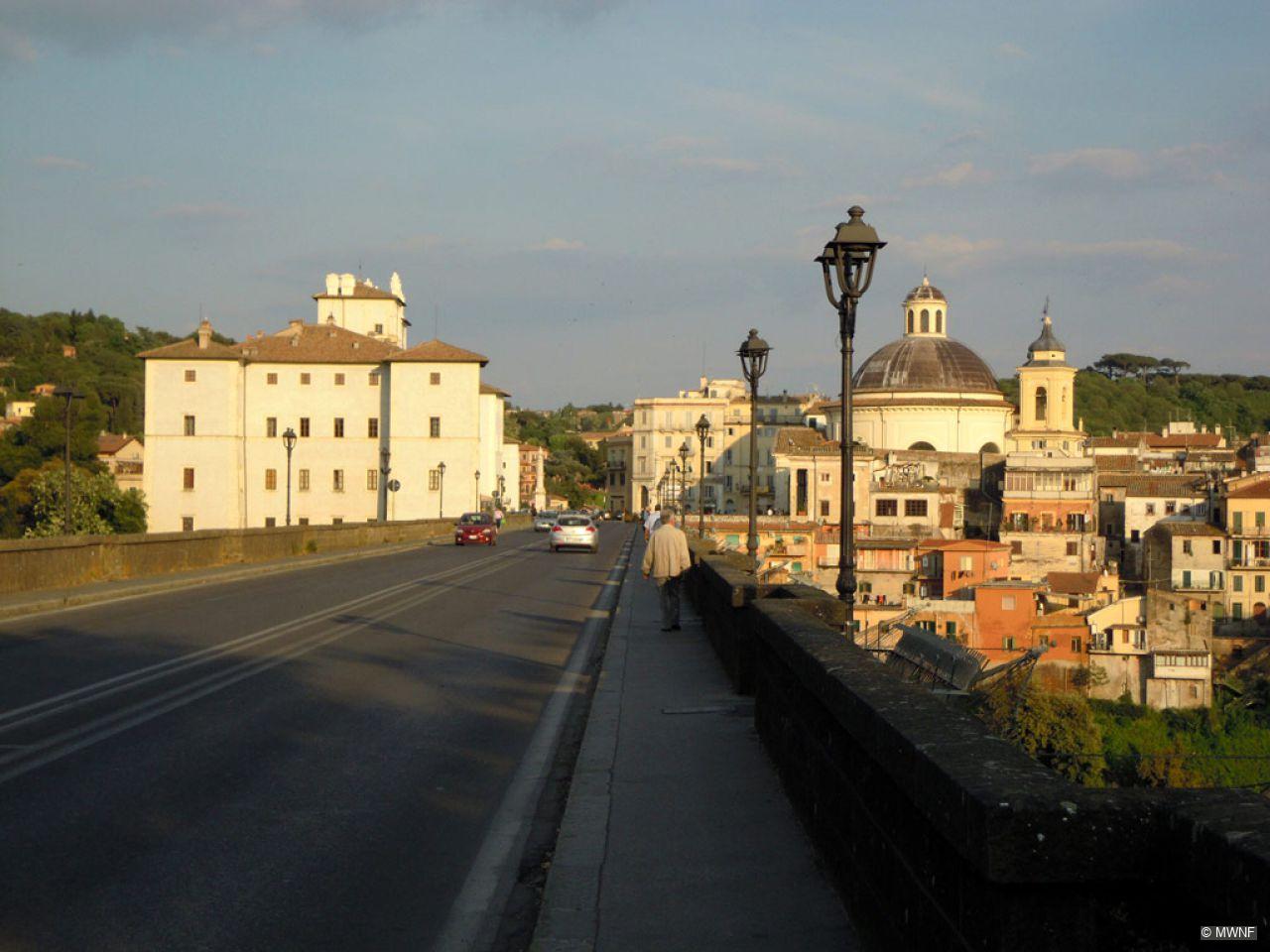
 Add to My Collection
Name of Monument:
Church of Assunta
Also known as:
Ariccia Rotunda
Location:
Ariccia, Rome, Latium, Italy
Piazza di Corte
00040 Ariccia
Rome
T : +39 06 93 30 63 7
E : parrocchia@assunta.it
Suburbicarian Diocese of Albano (Responsible Institution)
Date:
1662–64
Artists:
Architecture: Gian Lorenzo Bernini (1598–1680); interior stucco decoration: Pietro Paolo Naldini (1619–91); paintings: Guglielmo Cortese (1628–79), Ludovico (1643–97) and Giacinto Gimignani (1611–81), Emilio Taruffi (1633–96), Alessandro Mattia da Farnese (1631–post 1681), Raffaello Vanni (1587–1673) and Bernardino Mei (1612–76)
Denomination / Type of monument:
Religious architecture, church
Patron(s):
Pope Alexander VII Chigi (1655–67)
History:
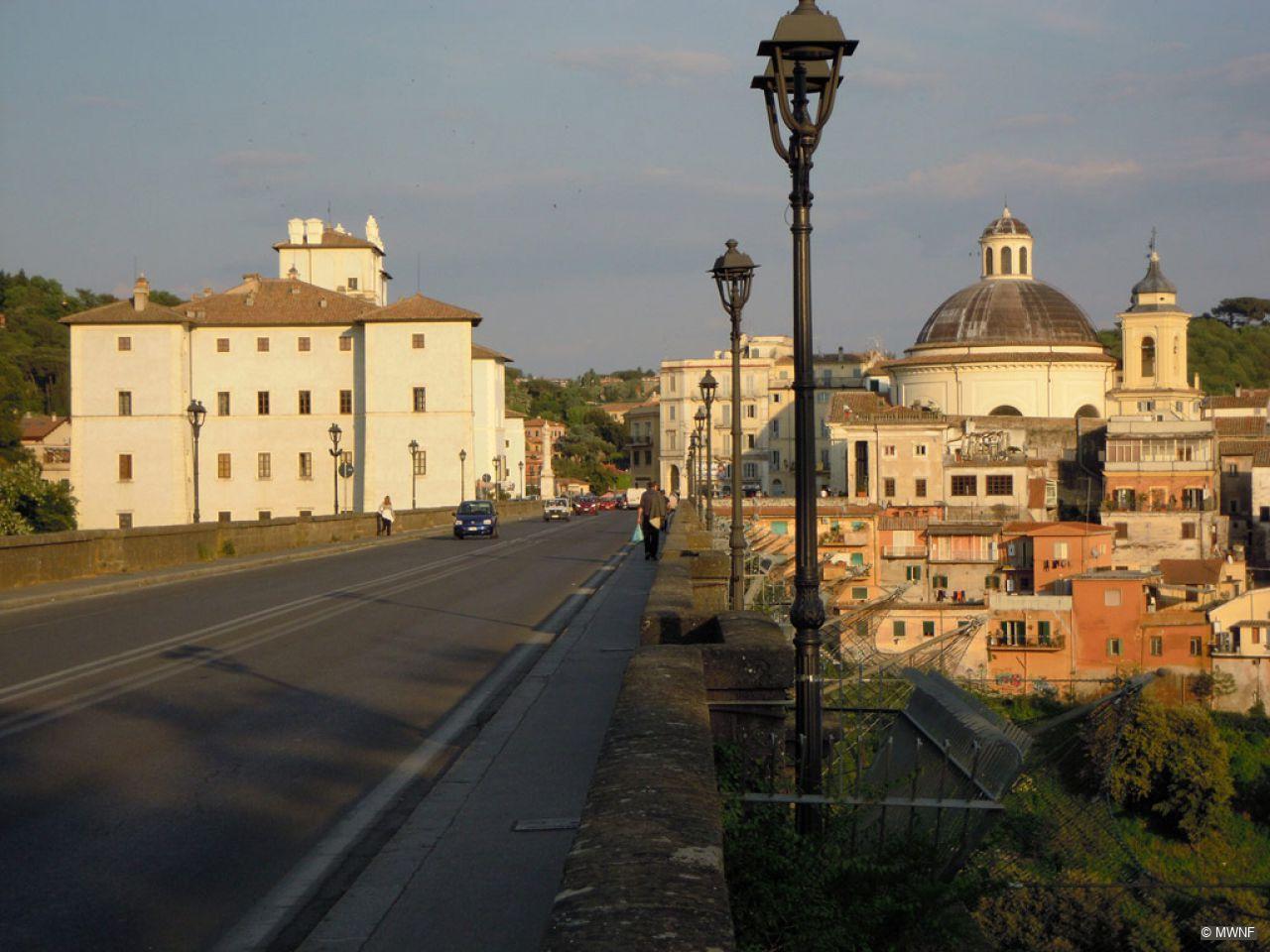
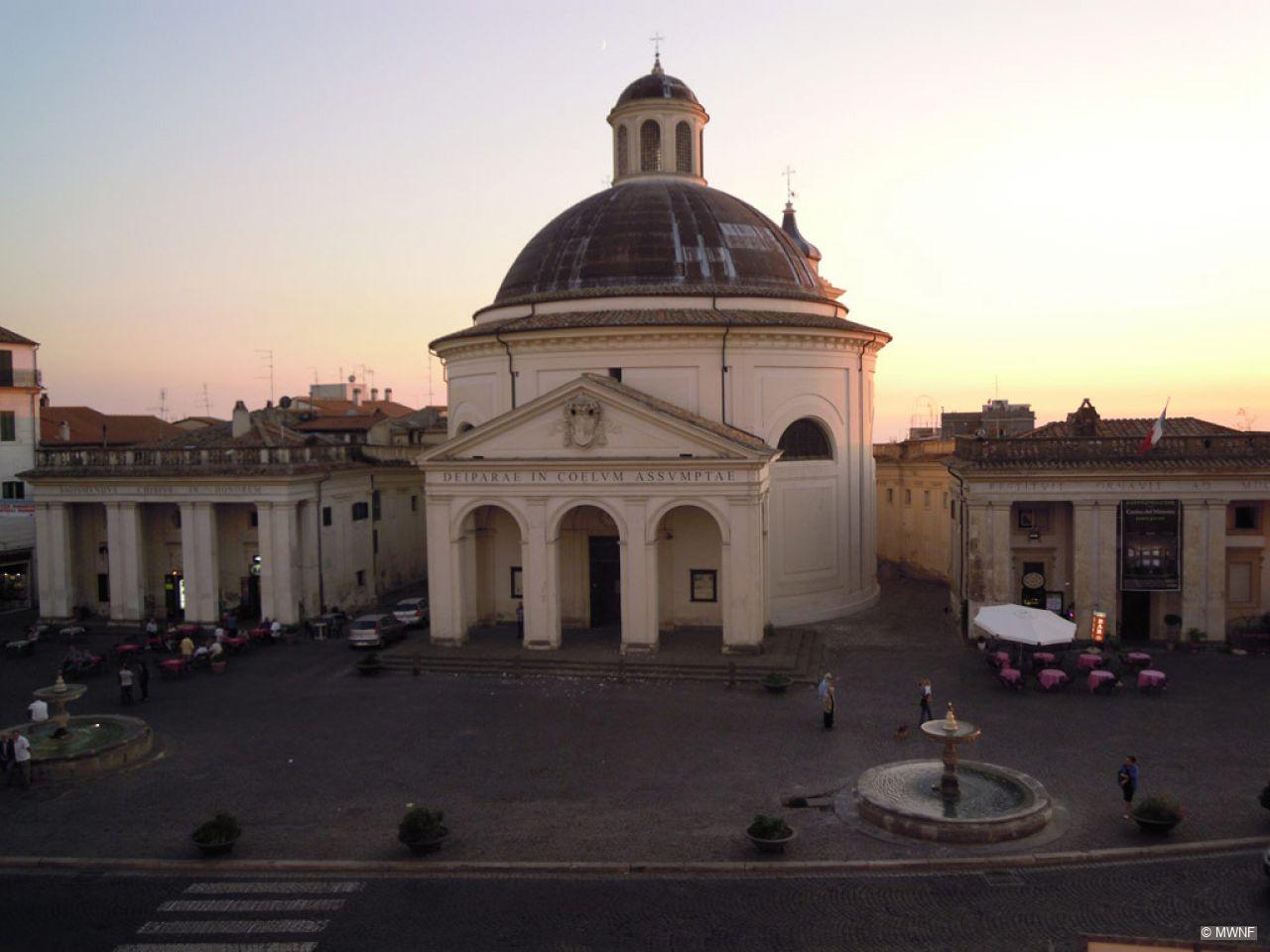
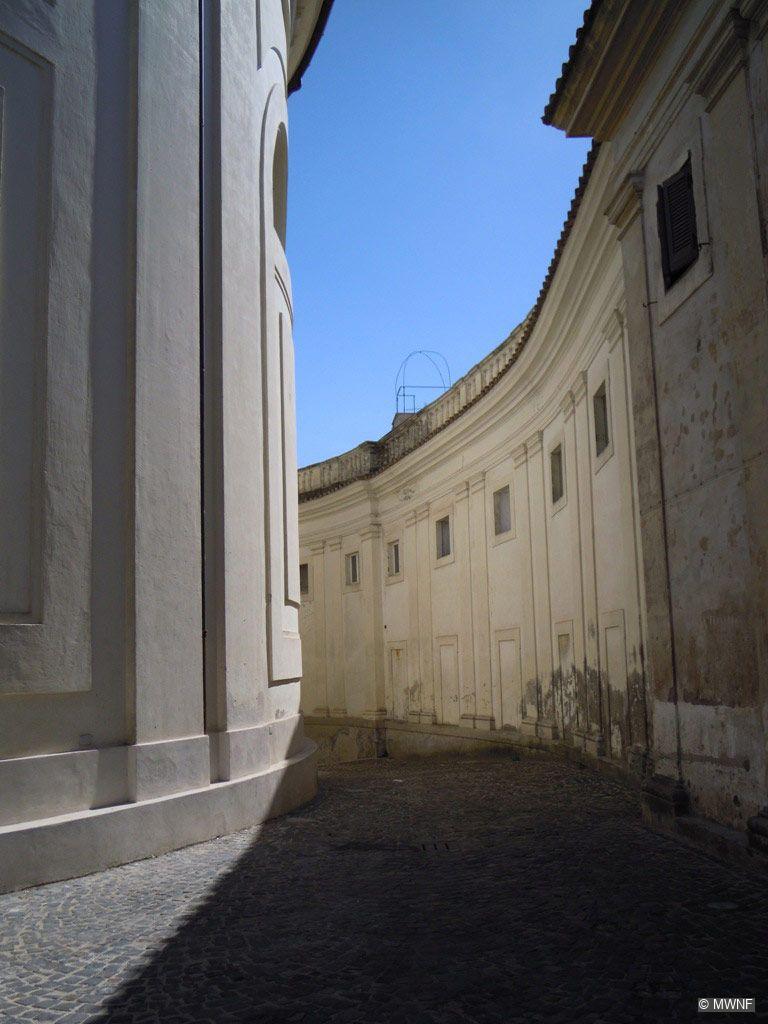
The ancient and dilapidated basilica of Santa Maria Assunta was located in the lower part of the village in a location that Pope Alexander VII did not deem representative of the country. It was decided, therefore, that the old church should be demolished and a new church built opposite the palace to act as the background to Piazza di Corte – helped also by the presence of two side wings that resemble the colonnade of St. Peter’s – and at the same time, to be a connecting element between the palace and the village below it. It was built between 1662 and 1664.
Description:
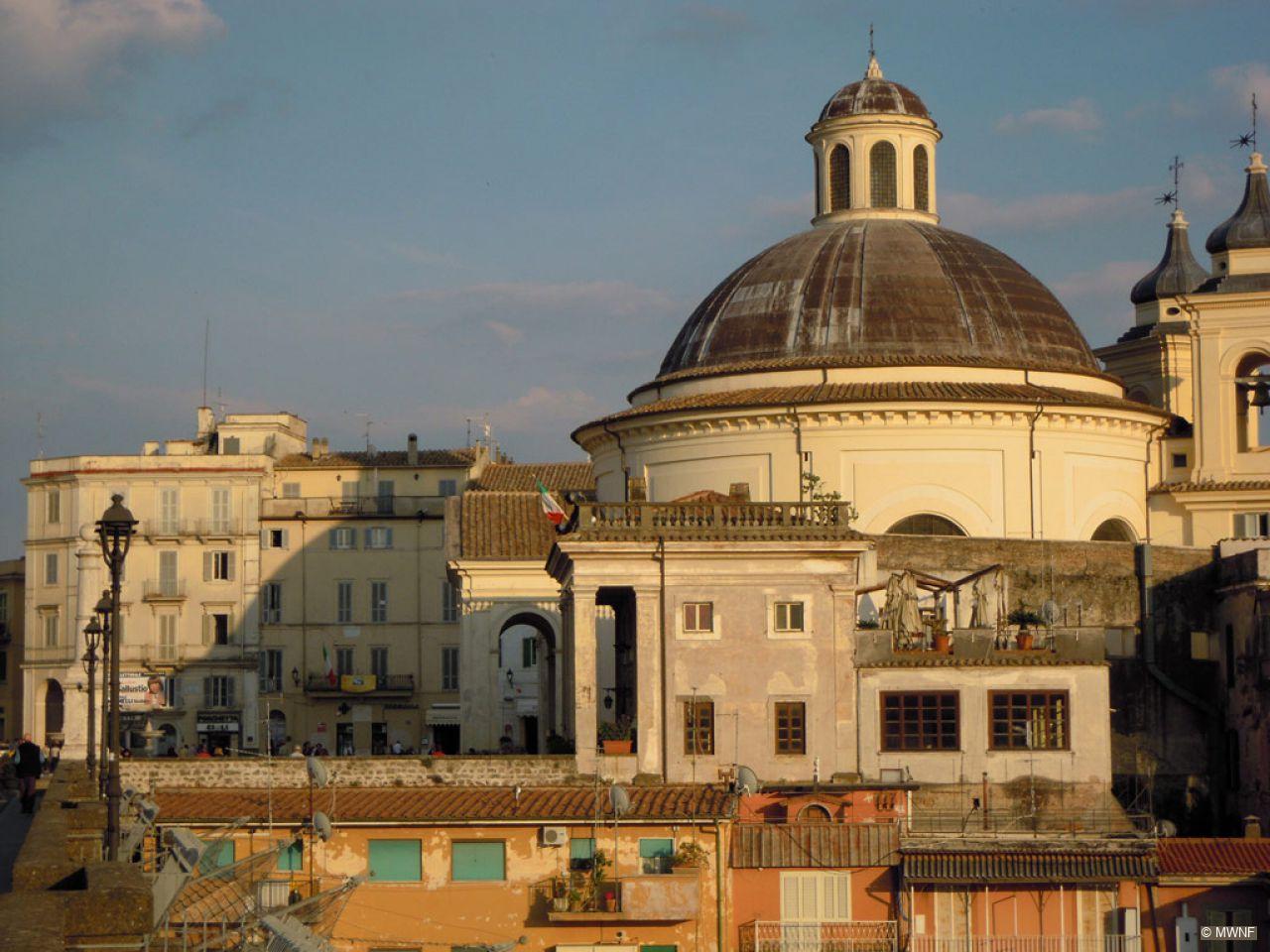
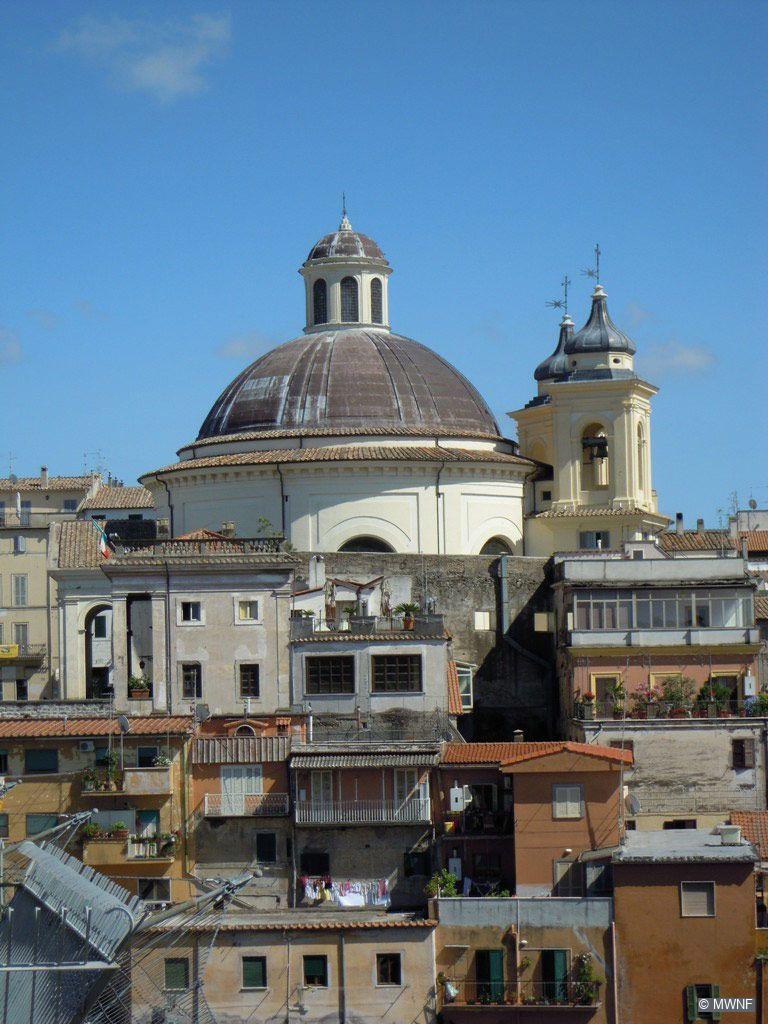
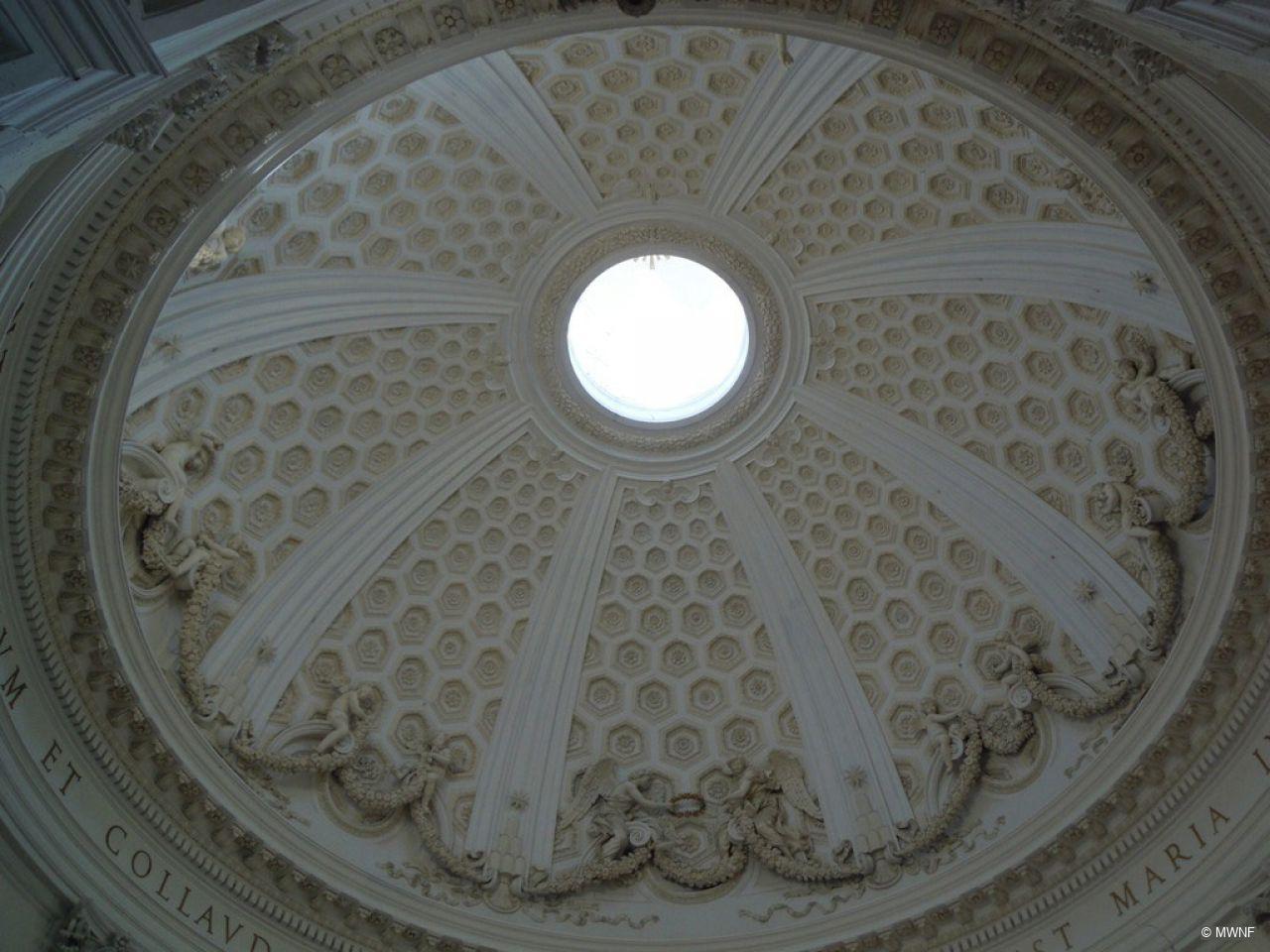
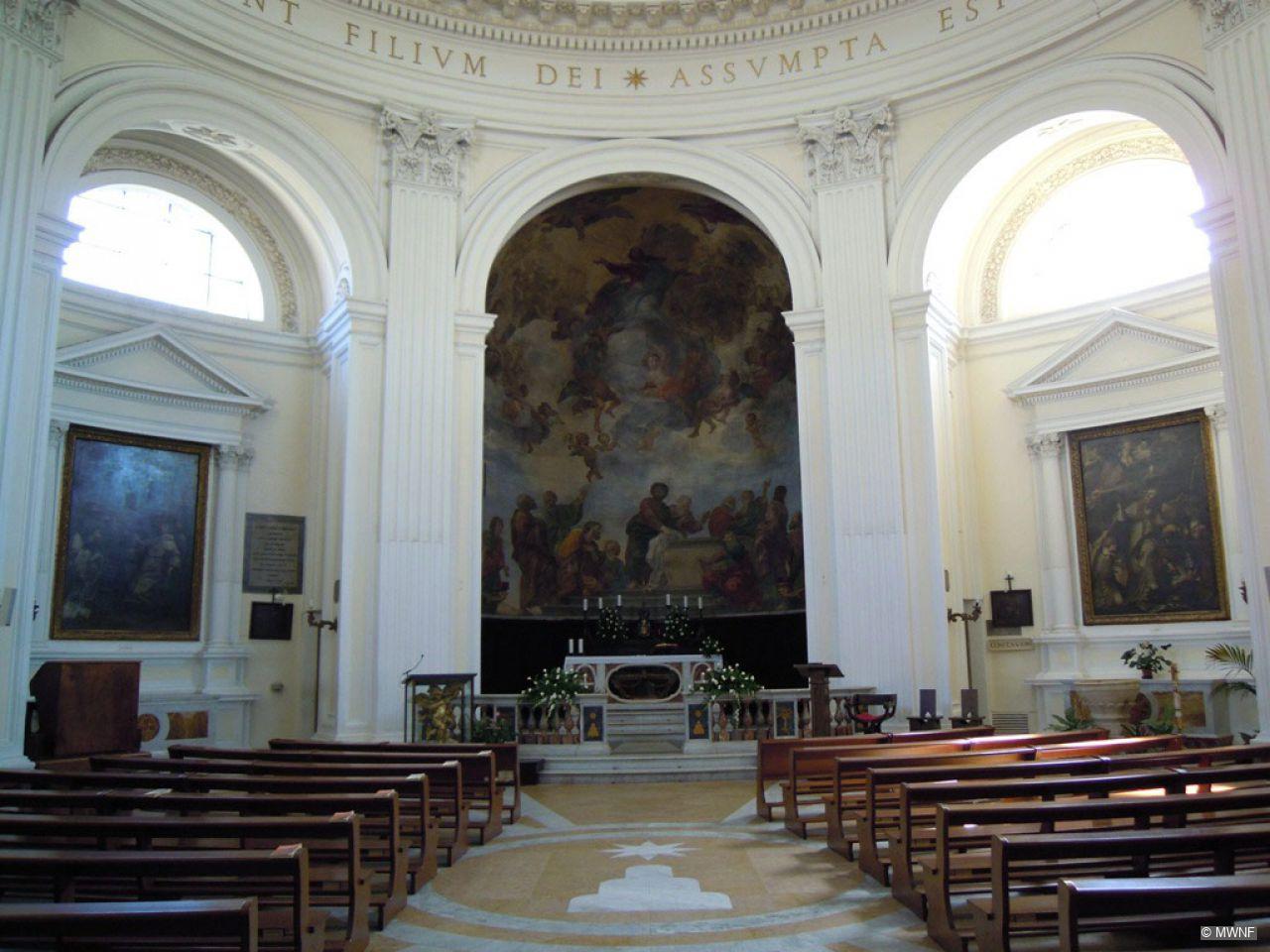
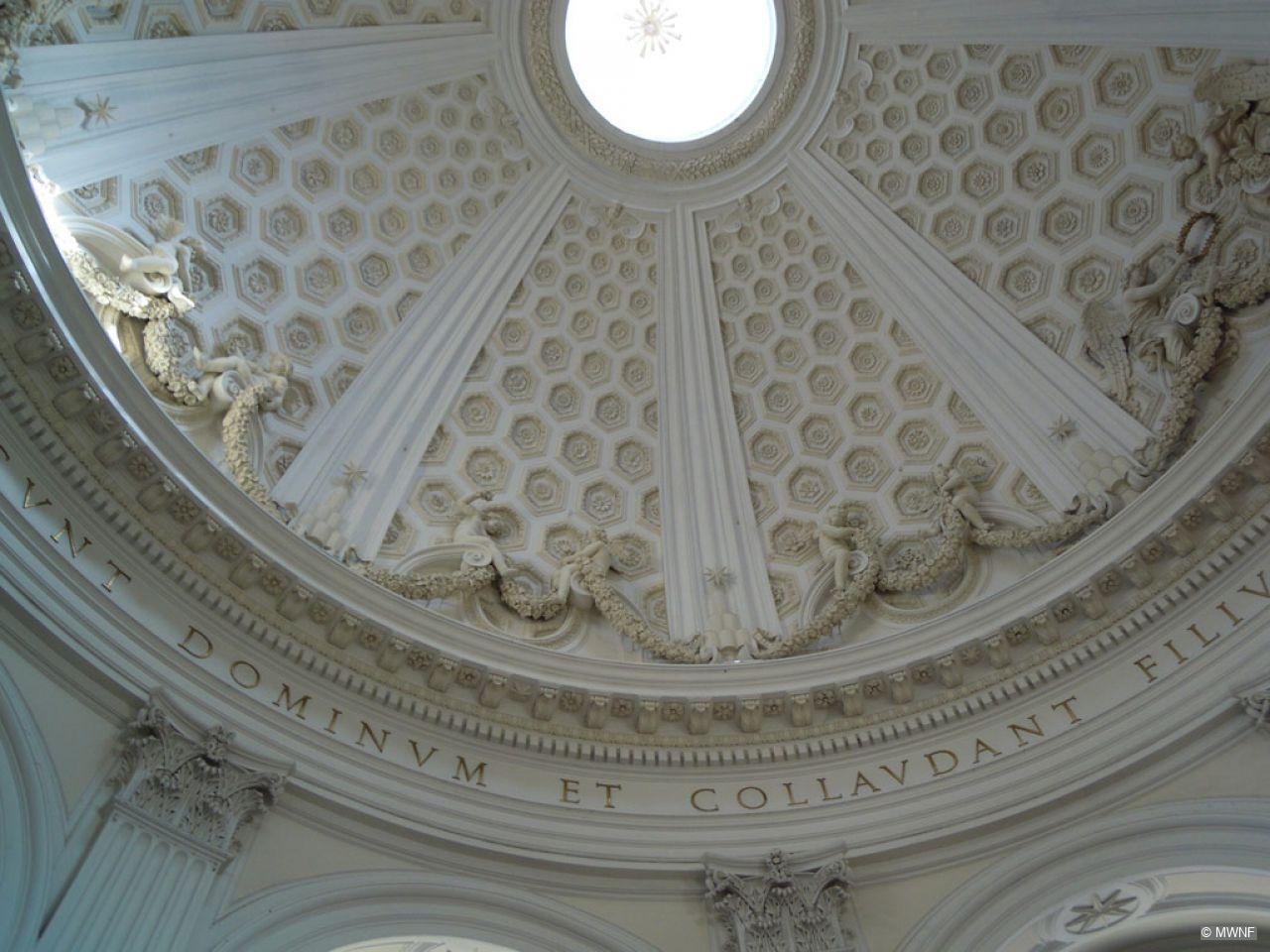
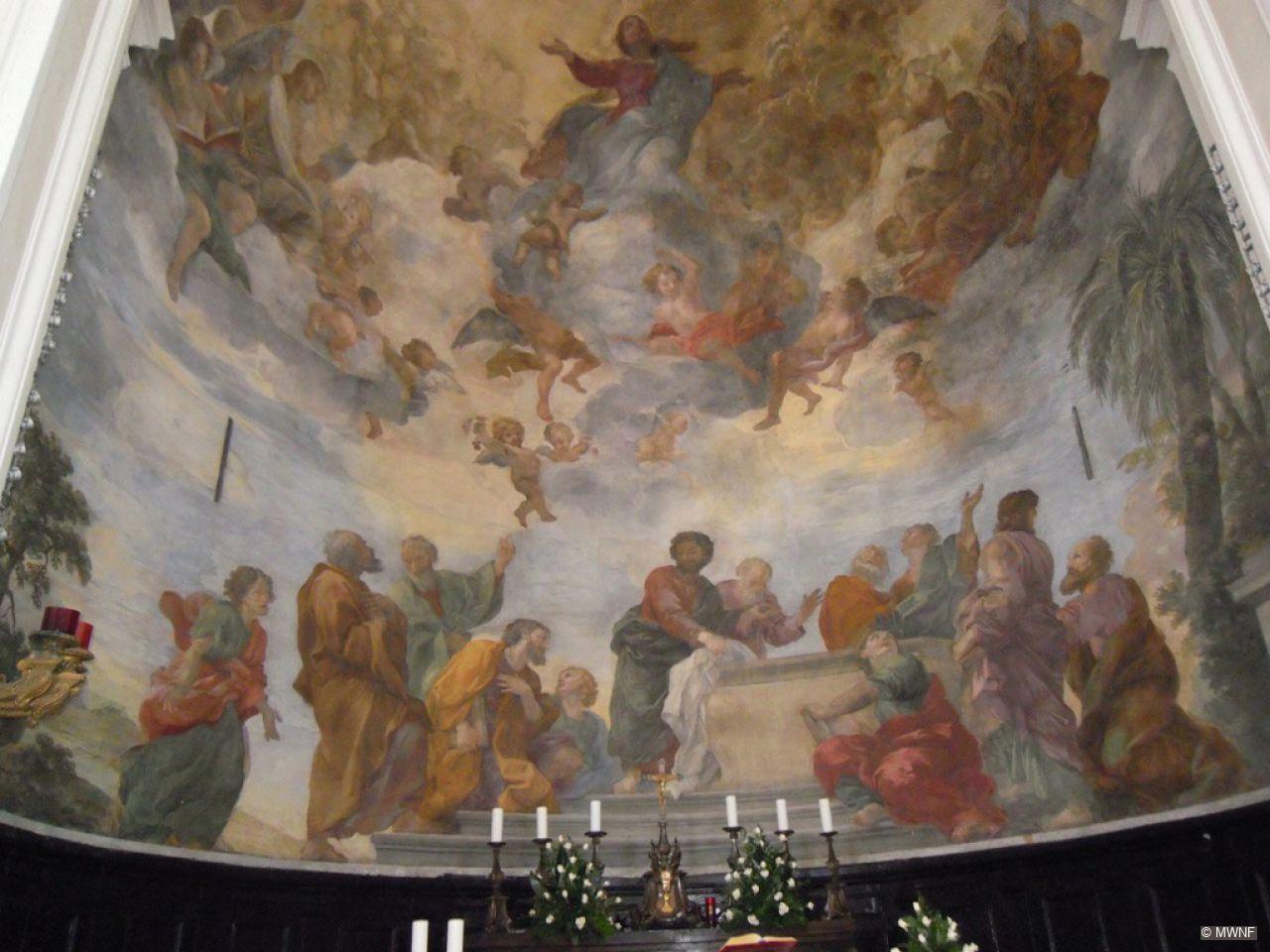
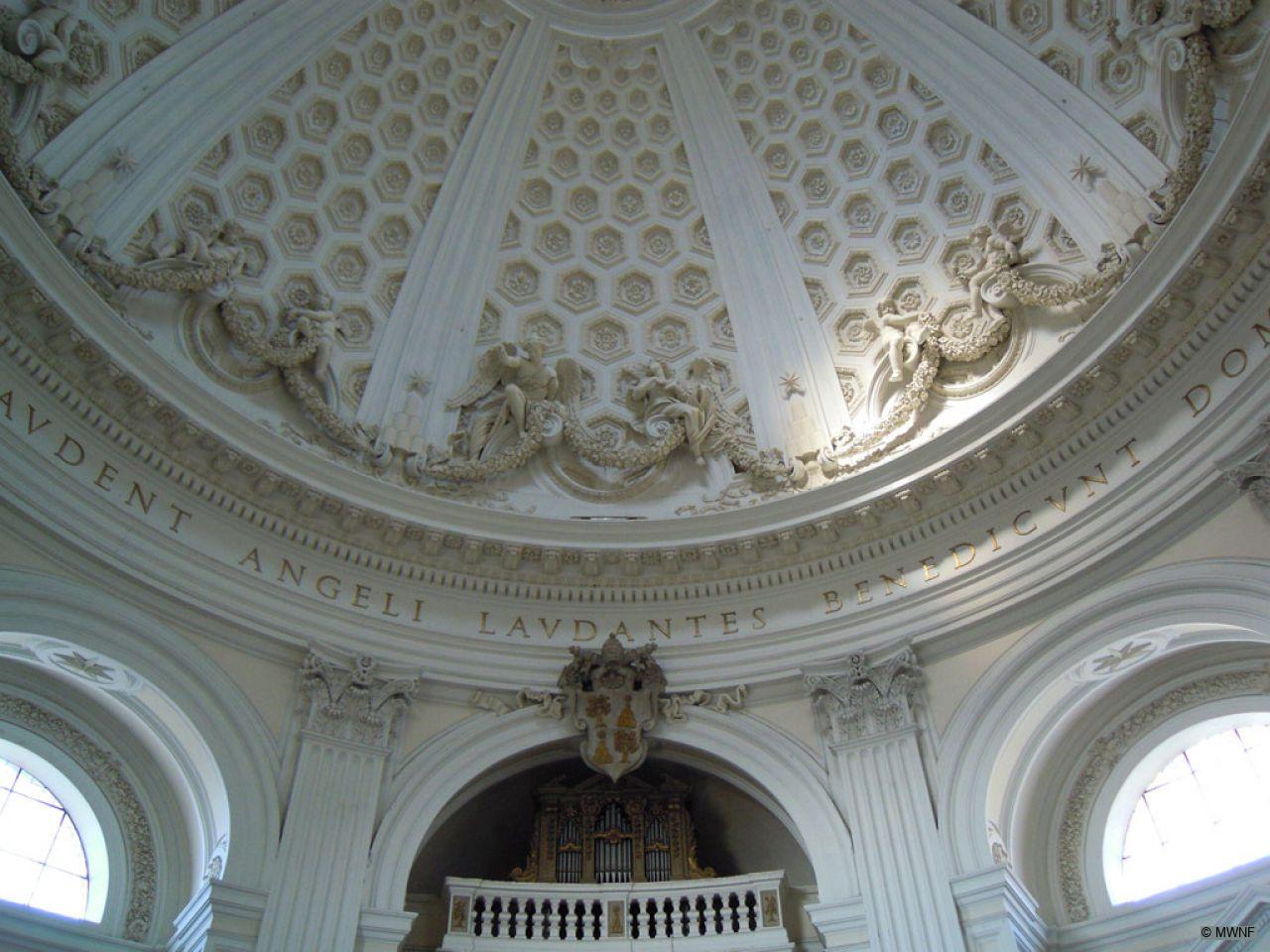
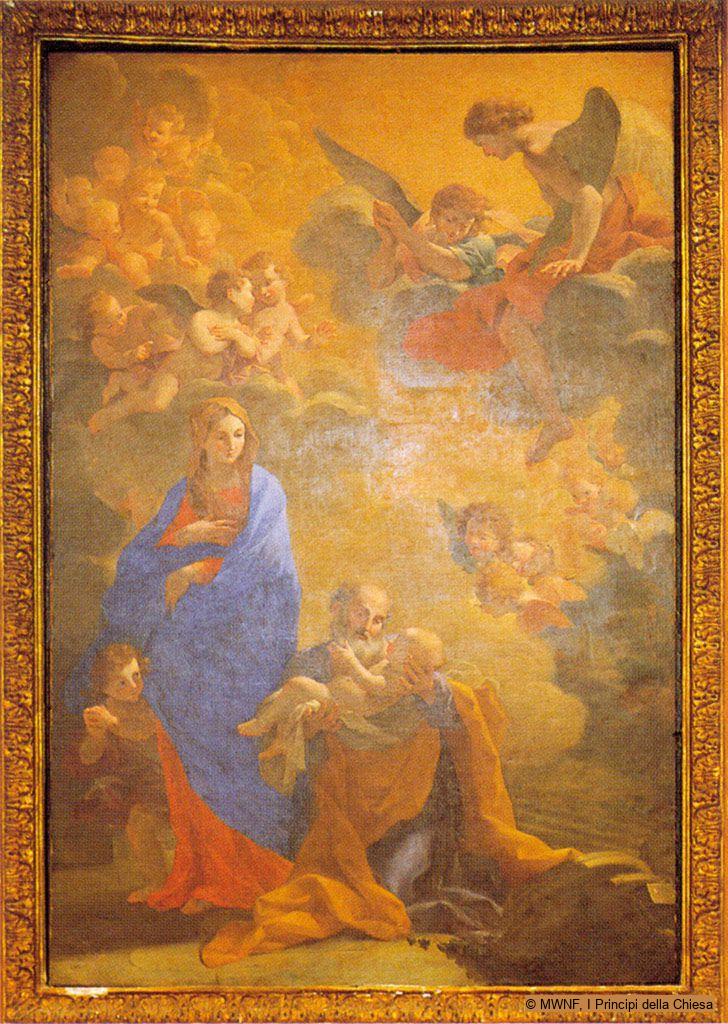
In designing the central-plan building, Bernini was deliberately and clearly inspired by the Pantheon both in terms of the large low dome, and the three-arched vestibule surmounted by a tympanum with the coat of arms of the pope that forms its entrance. The interior has three chapels on each side and a large apse at the end. It is characterised by a series of decorative stucco devices by Pietro Paolo Naldini in dazzling white barely interrupted by the gold of the inscription that runs along the cornice and the dove of the Holy Spirit in the lantern. The Chigi coat of arms, or the individual elements that make it up (star, mountains, oak), is present almost obsessively in the cupola, on the floor and on the balustrade of the high altar, on the entrance door and on the top of the entrance arches of the chapel. The bowl-shaped vault of the apse is frescoed by Guglielmo Cortese with the Assumption of the Virgin, from 1664, in which the artist, adapting and contributing to Bernini’s project, combines the classical approach of the individual figures of the apostles at the bottom, with the illusionistic Baroque language that can be seen in the representation of the masses, in movement according to a circular and upwards movement, that culminates in the representation of the Virgin in heaven. The paintings of the altars – albeit with different interpretations depending on the influence exerted on them by Bernini’s strong artistic personality – from the complex content often laden with allegorical meanings, underline the intention to characterise this church as a Court church intended for a cultured and theologically prepared public. In this building many of the typical elements of the language of the Roman Baroque are brought together, for example, reference to the ancient, the function of urban development interpreted scenically, the coexistence in a single project of the various arts (architecture, sculpture, painting and the minor arts) and, finally, a dynamic and animated design that represents the intention to underline theatrical effects and fundamental illusionism to touch the spectator emotionally.
View Short DescriptionThe central-plan building, also called the Ariccia Rotunda is deliberately and clearly inspired by the Pantheon both in terms of the large low dome, and the three-arched vestibule surmounted by a tympanum with the coat of arms of the pope that forms its entrance. The interior, with three chapels on each side and a large frescoed rear apse painted with the Assumption of the Virgin, is characterised by a series of decorative stucco devices and paintings of the altars, the subjects of which characterise the church as a Court church, intended for a cultured and theologically prepared public.
Selected bibliography:
Mignosi Tantillo, A. M., “I Chigi ad Ariccia nel ‘600”, L’arte per i papi e per i principi nella campagna romana, II, Rome 1990, pp. 69–114.
Petrucci, F., “Bernini, Flavio Chigi ed Ariccia: un Rinascimento barocco”, L’Ariccia del Bernini, Rome 1998, pp. 25–29.
Baiocchi, G. and Indrio, L., “Chiesa dell’Assunta”, I Principi della Chiesa, Milan 1998, pp. 210–211.
Petrucci, F., “La piazza di Corte nel tempo” in Piazza di Corte: il recupero dell’immagine berniniana …, (M. Natoli, ed.) Rome 2000, pp. 1–20.
Citation of this web page:
Laura Indrio "Church of Assunta" in "Discover Baroque Art", Museum With No Frontiers, 2026.
https://baroqueart.museumwnf.org/database_item.php?id=monument;BAR;it;Mon13;26;en
MWNF Working Number: IT1 26