

 Back
Back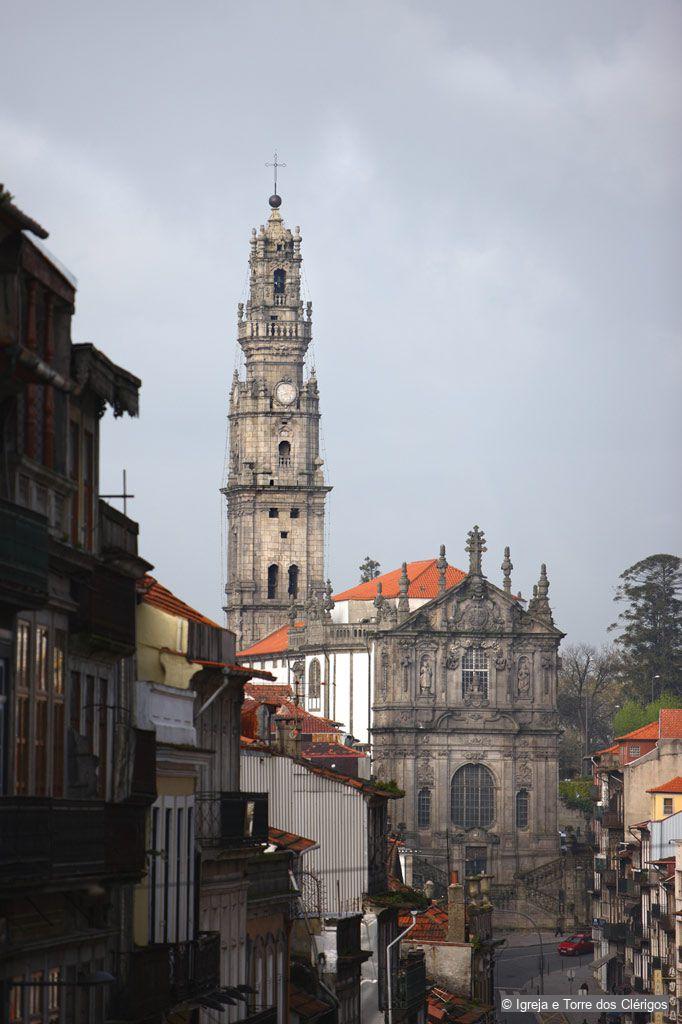
 Add to My Collection
Name of Monument:
Church and Tower of the Clergymen
Also known as:
Igreja e Torre dos Clérigos
Location:
Parish of Porto, Porto, Portugal
Igreja dos Clérigos
Rua S. Filipe Neri
4050-546 Porto
T : +351 22 200 1729
F : +351 22 200 1729
Brotherhood of the Clérigos (Responsible Institution)
Date:
1745–1763
Artists:
Architect: Nicolau Nasoni (1691–1773); woodcarvers: Luís Pereira da Costa (active 1724–?), João Lopes da Maia [n.d.], Domingos Martins Moreira (active 1746–1750)
Denomination / Type of monument:
Religious architecture, church
Patron(s):
Brotherhood of the Clérigos
History:
Construction of the Church of the Clergymen began in 1731. It was commissioned by the Brotherhood of the Clérigos, founded in 1707 as the result of a merger between three counterpart entities: The Brotherhoods of St. Peter, St Peter Nery and of Our Lady of Mercy. Because the brotherhoods constituted priests or secular clergymen, the order assumed the name of Brotherhood of the Clérigos or Clergymen.
The façade of the church was built in 1745 and the stairway a bit later, in around 1753; by 1748 the building was almost finished. The Clergy's House was finished in 1759. It included offices and the infirmary. The Tower was erected more slowly, between 1757 and 1763.
Description:
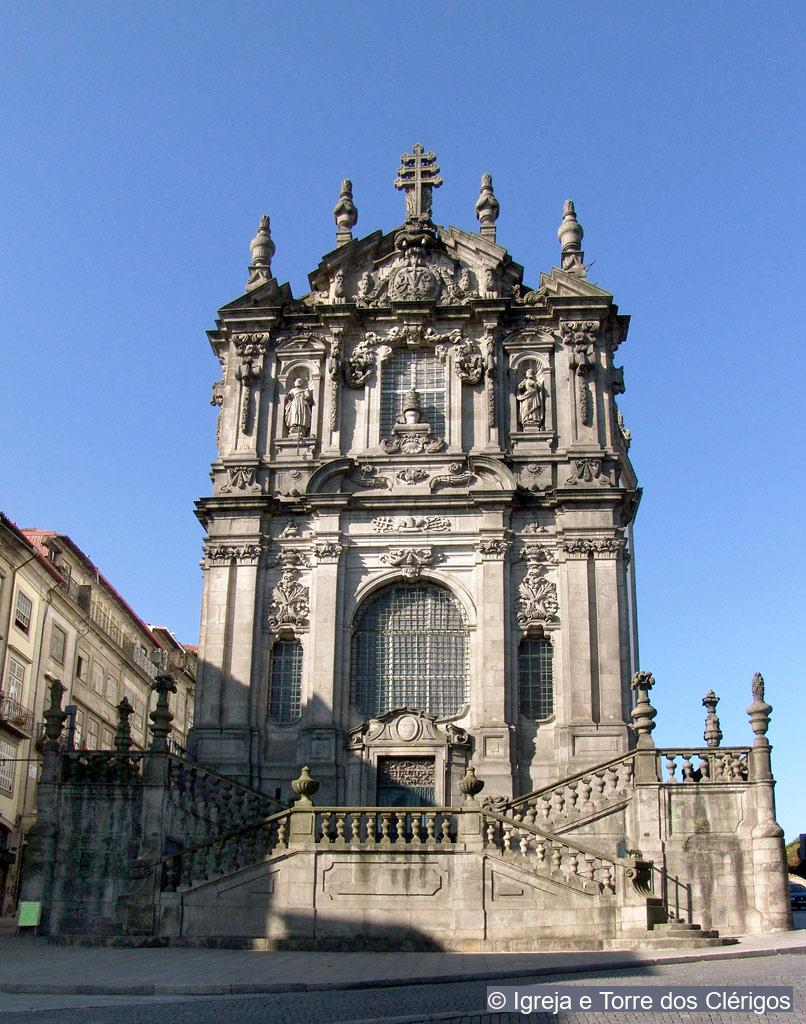
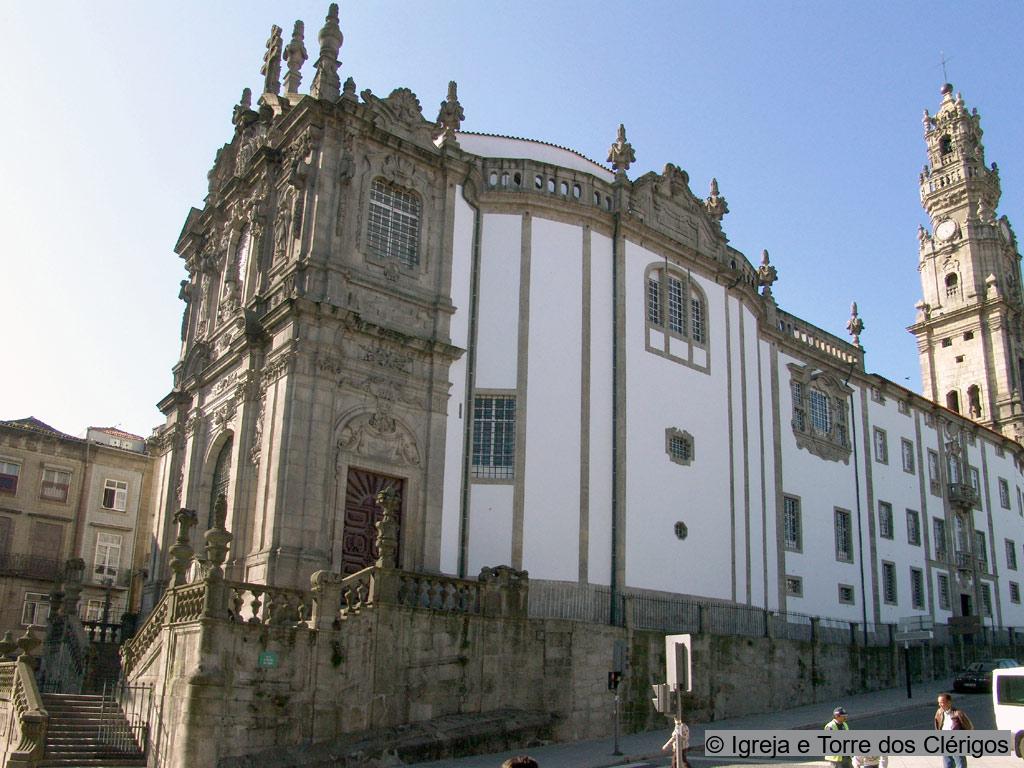
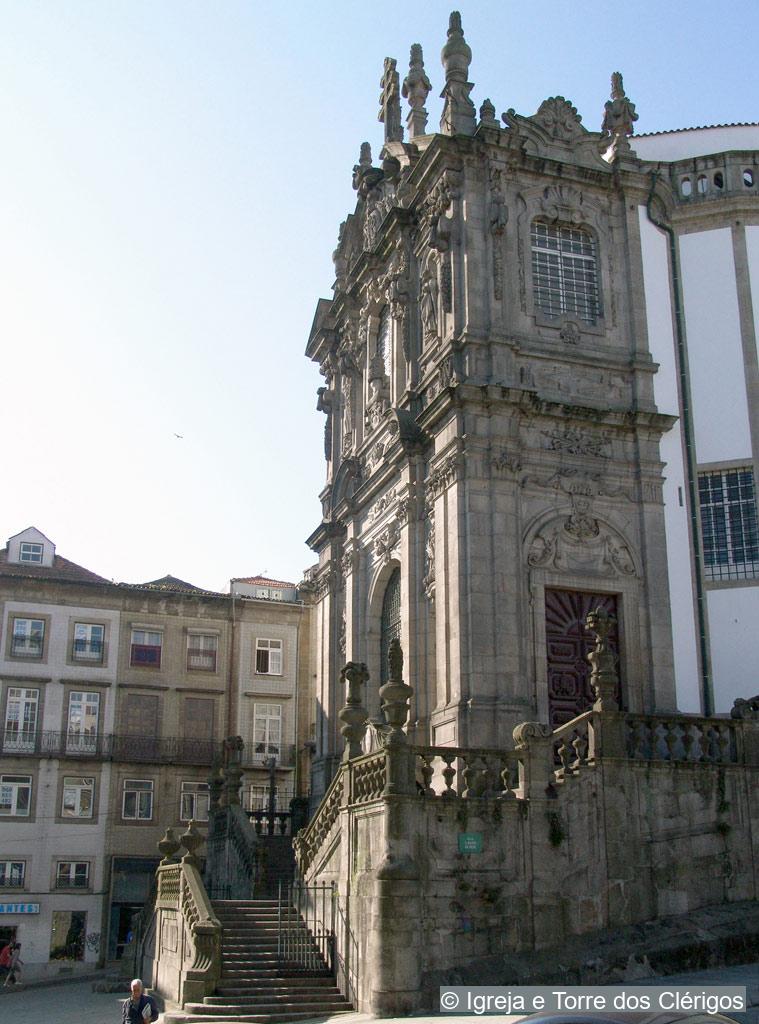
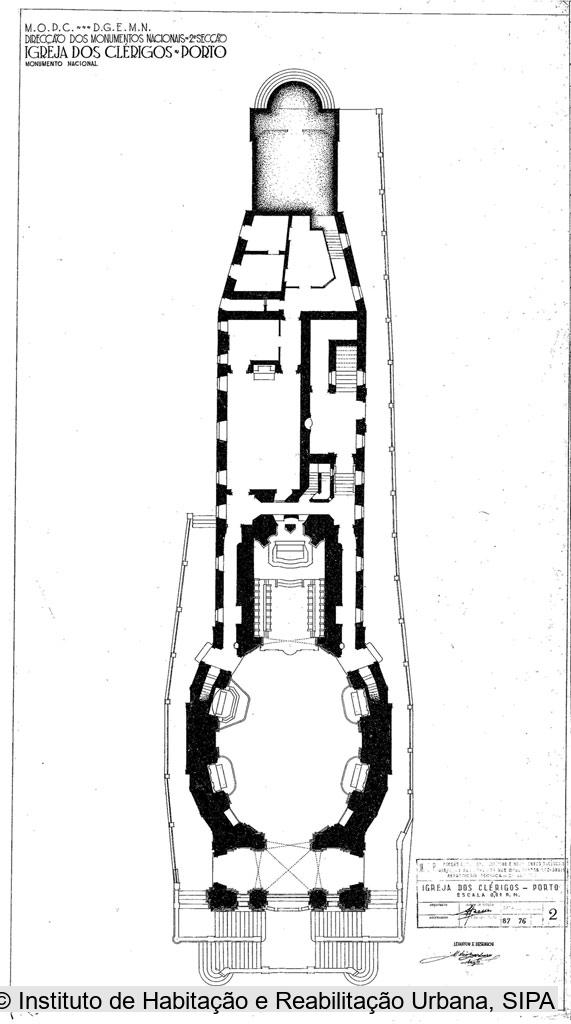
With this church the architect, Nicolau Nasoni, provided Portugal with some new architectural features. Nasoni designed a narrow façade over a stairway; a “screen” placed in the middle of the hill. The body of the oval-shaped church then followed: it has double walls and passages that surround the chancel, giving access to the back of the building. Next are the service facilities, where the offices of the congregation and brotherhood were located. Nasoni gave up the idea of towers flanking the façade and built a single colossal bell tower at the extreme rear of the building.
View Short DescriptionAn oval shaped Baroque church with an infirmary and offices. It is attached to a tall bell tower located at the back of the building. The interior has Late Baroque decorative stonework and gilded woodcarving.
How Monument was dated:
Historical evidence and stylistic analysis. Documentation
Special features
Façade
Rua S. Filipe Neri
1745
Architect: Nicolau Nasoni (1691–1773)
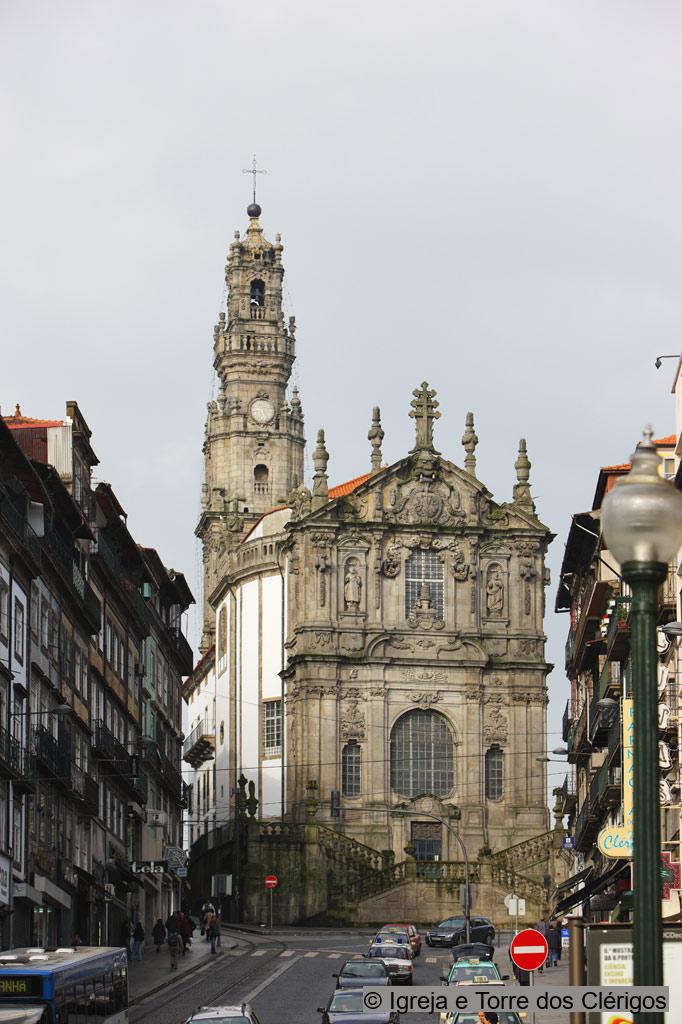
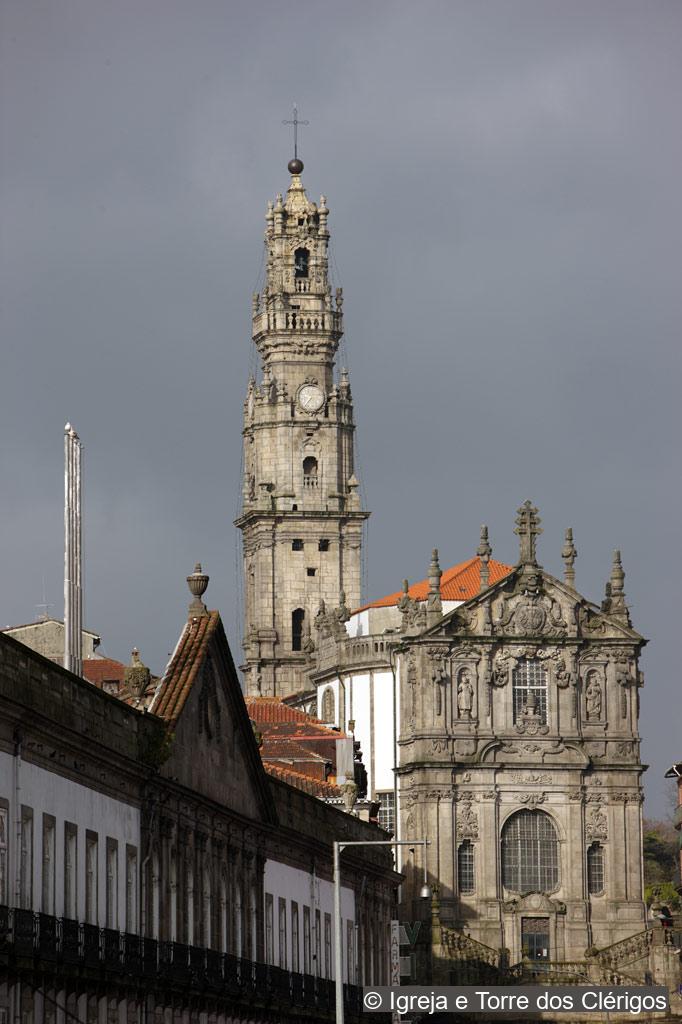
Entrance to the building is through two lateral doors at the top of the stairway. In the middle of the stairway there is an axial door that gives way to a chapel, which sits below the ground floor of the church. The axial door is topped by an oval panel and a large window with a curved frame; a form that will continue in the chapel interior. The large Classical pilasters flanking the central axis appear to dematerialise as they rise and the Baroque stone carving is enhanced.
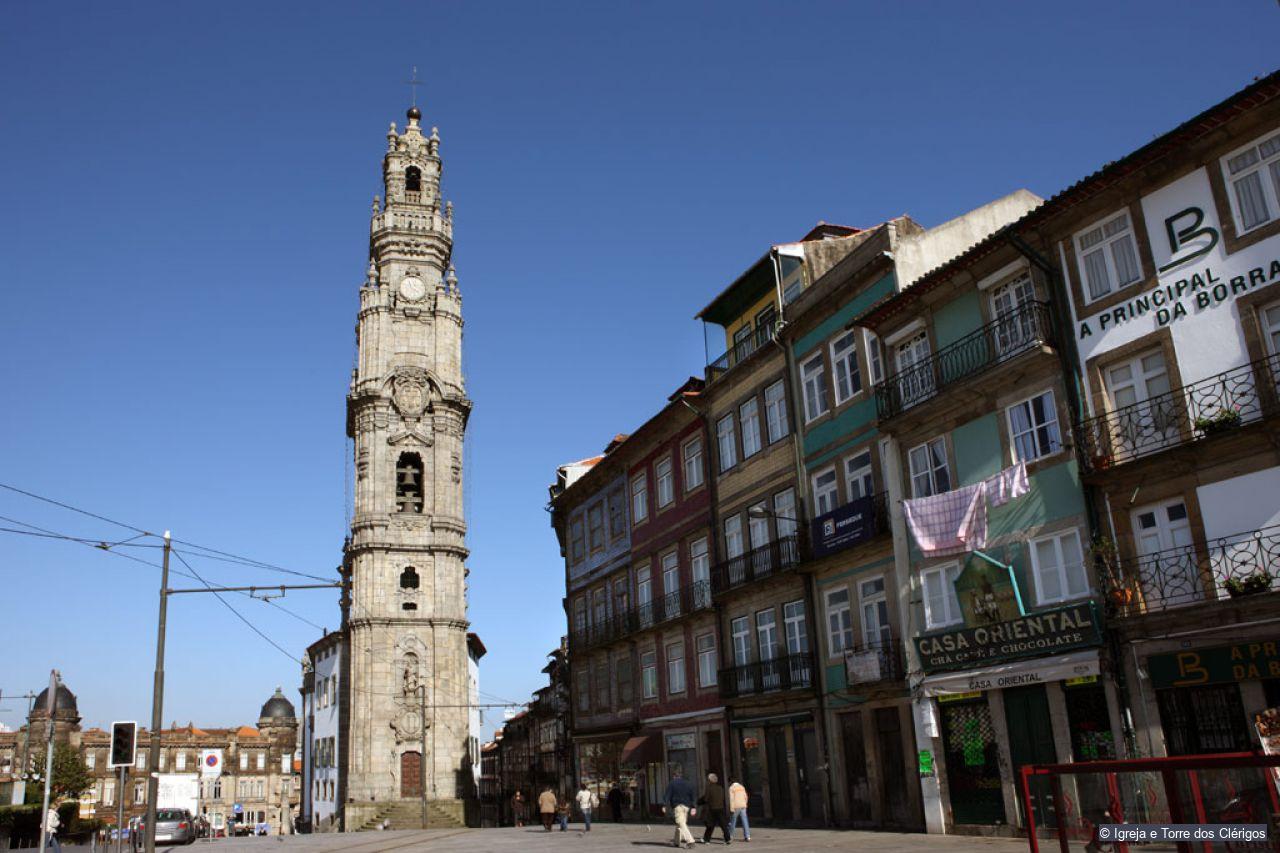
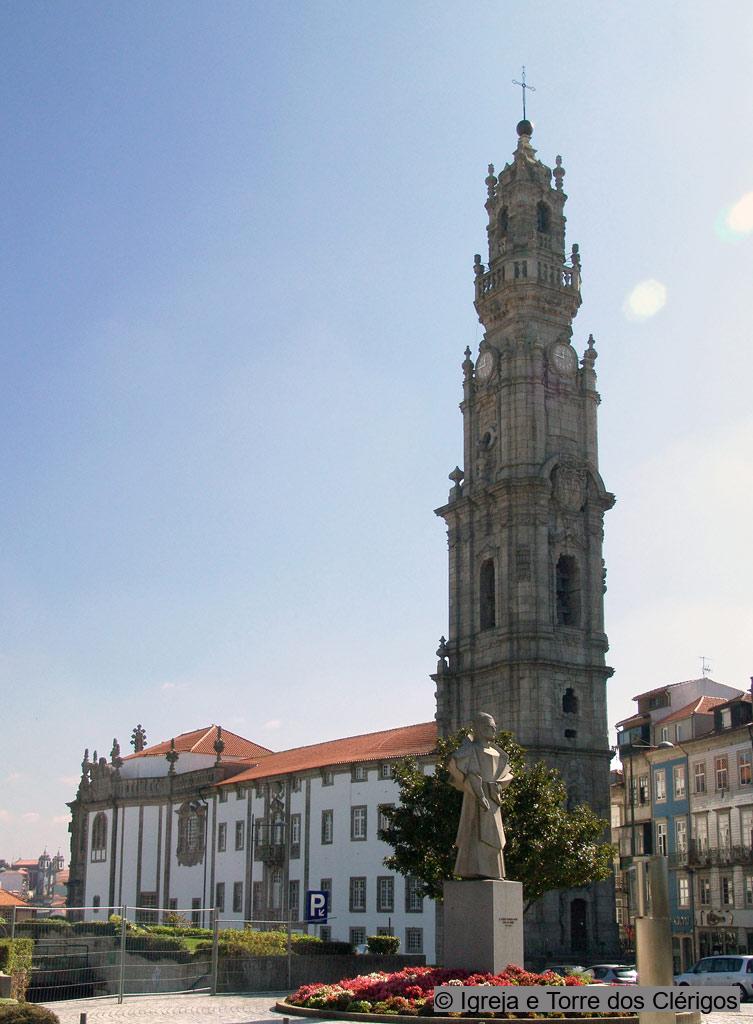
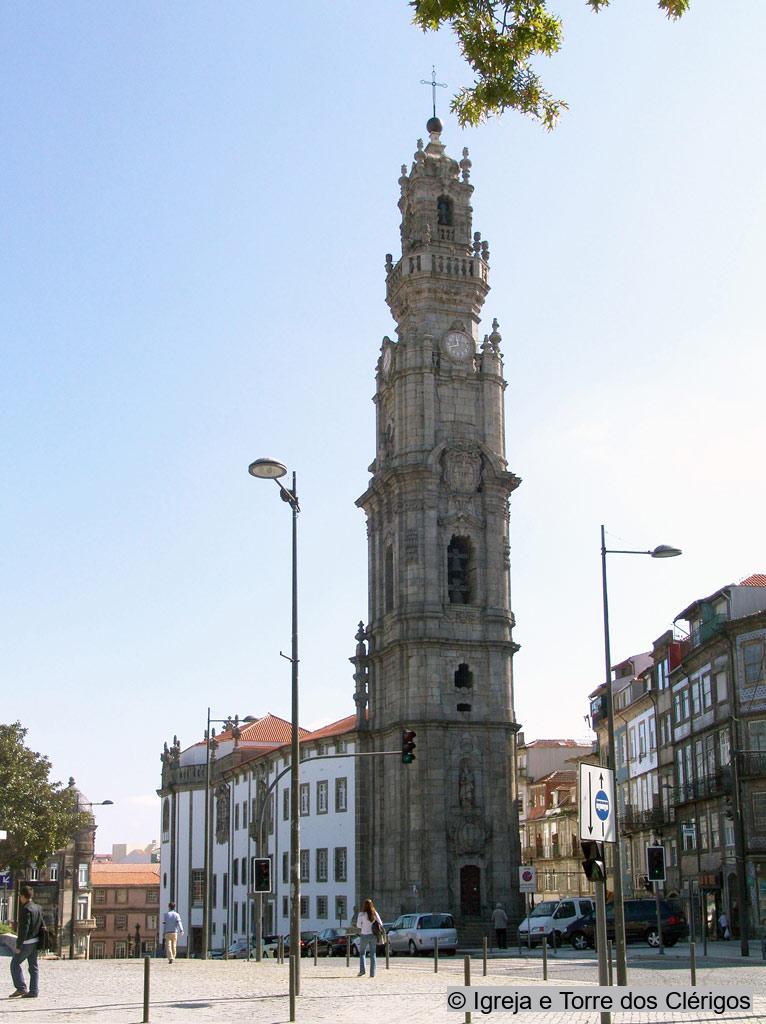
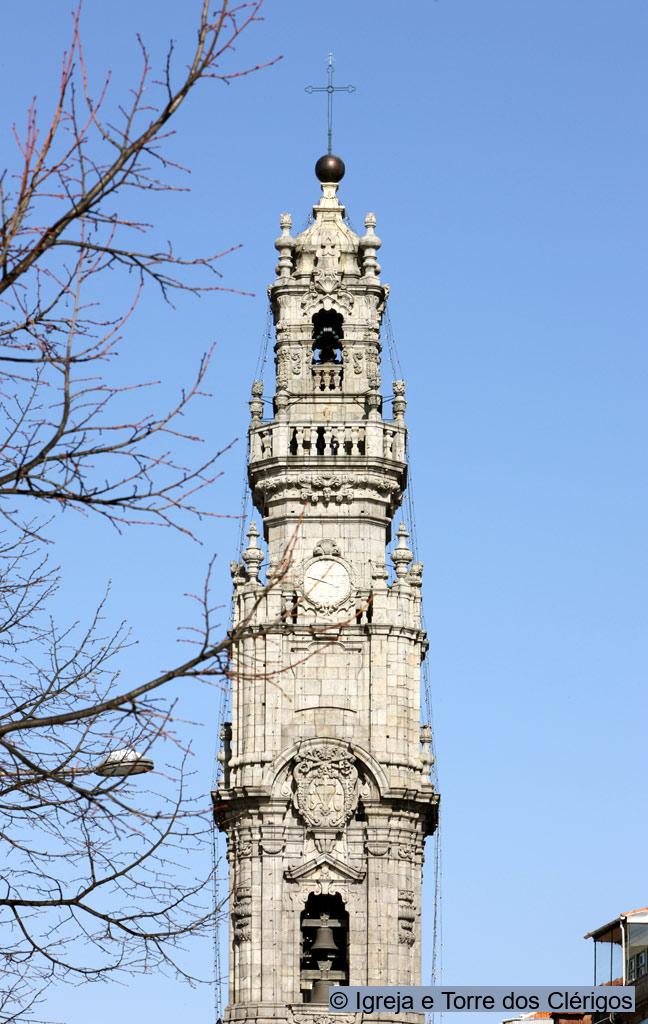
The Bell Tower known as “Torre dos Clérigos”
Exterior
1757–1763
Architect: Nicolau Nasoni (1691–1773)
The tower has six floors and is 75.6 m high. The floors vary in width, narrowing like a telescope. The balconies on the top floor help to create the illusion that the top of the building is dematerialising, thus increasing the rhetorical power of the building as a “lighthouse of faith” that hovers over the city.
Nave
Interior
1745–1759
Nicolau Nasoni (1691–1773)
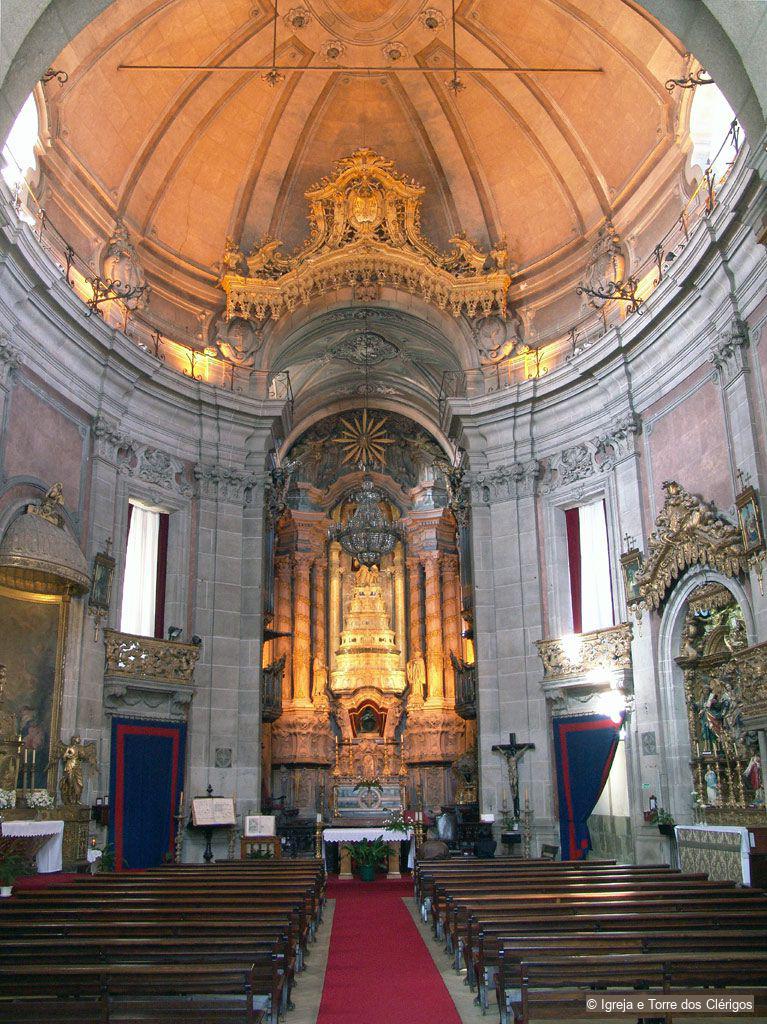
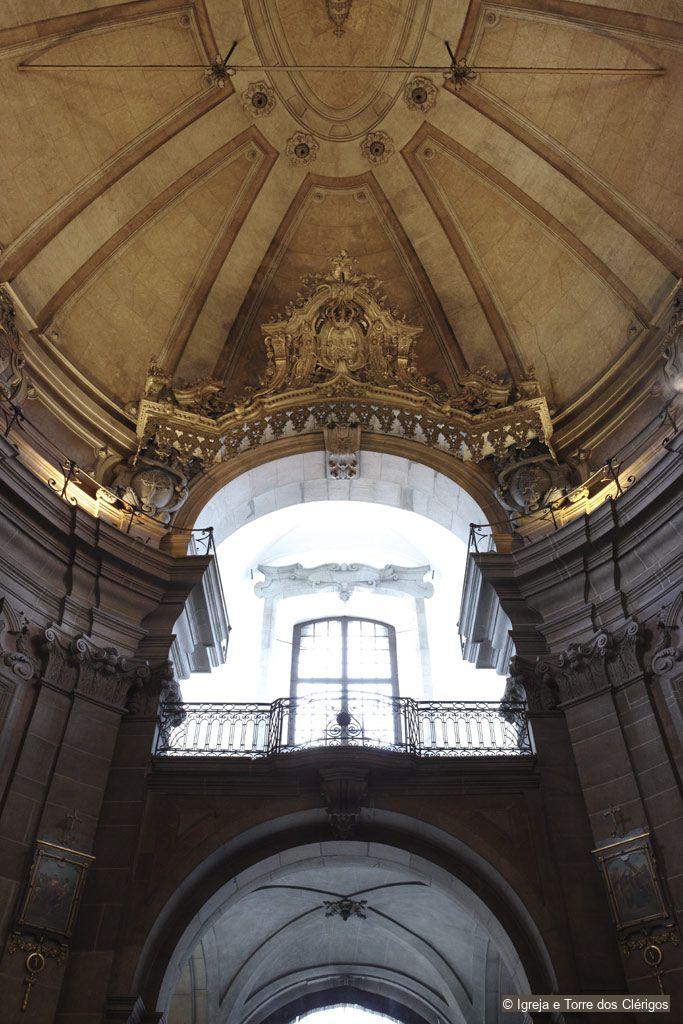
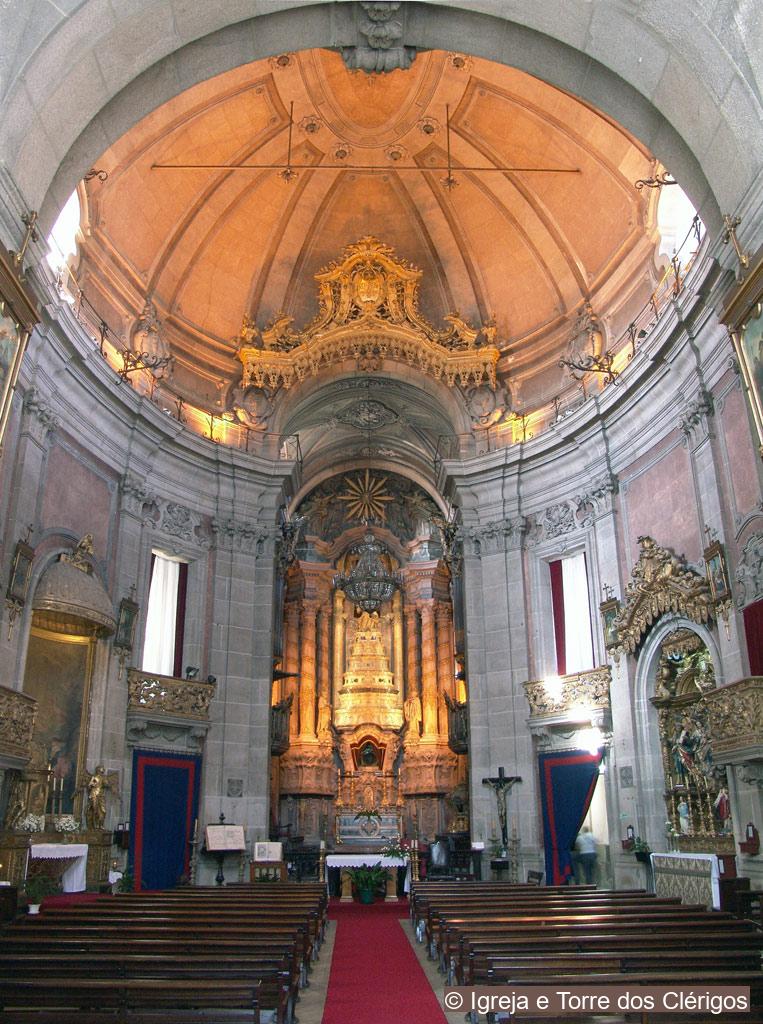
An oval-shaped nave with four altars.
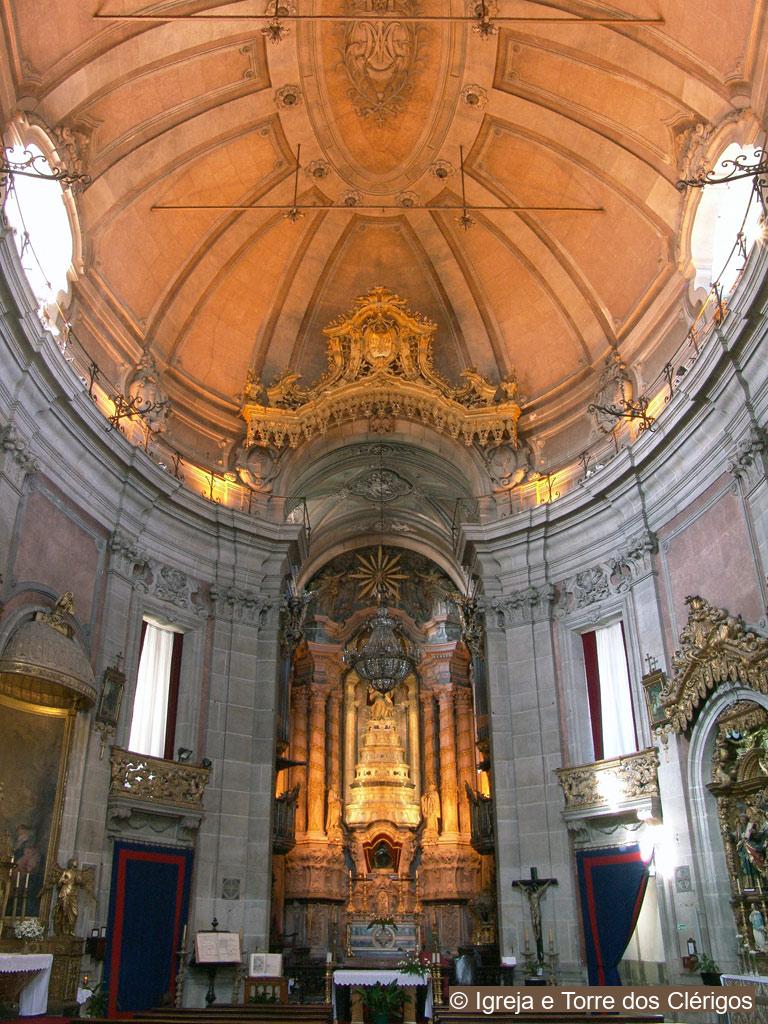
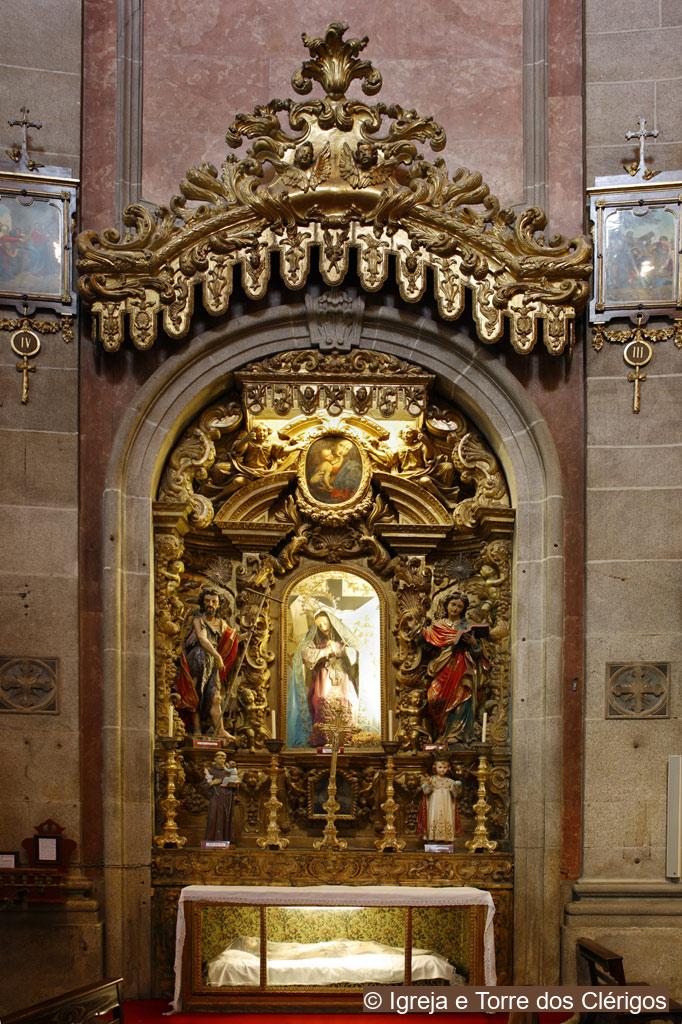
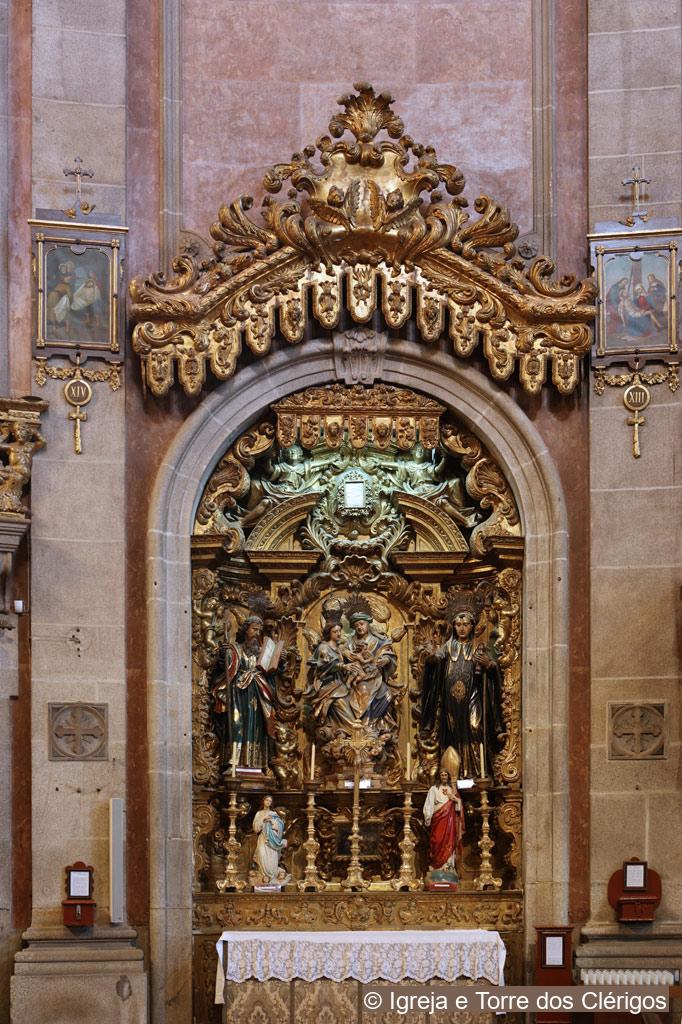
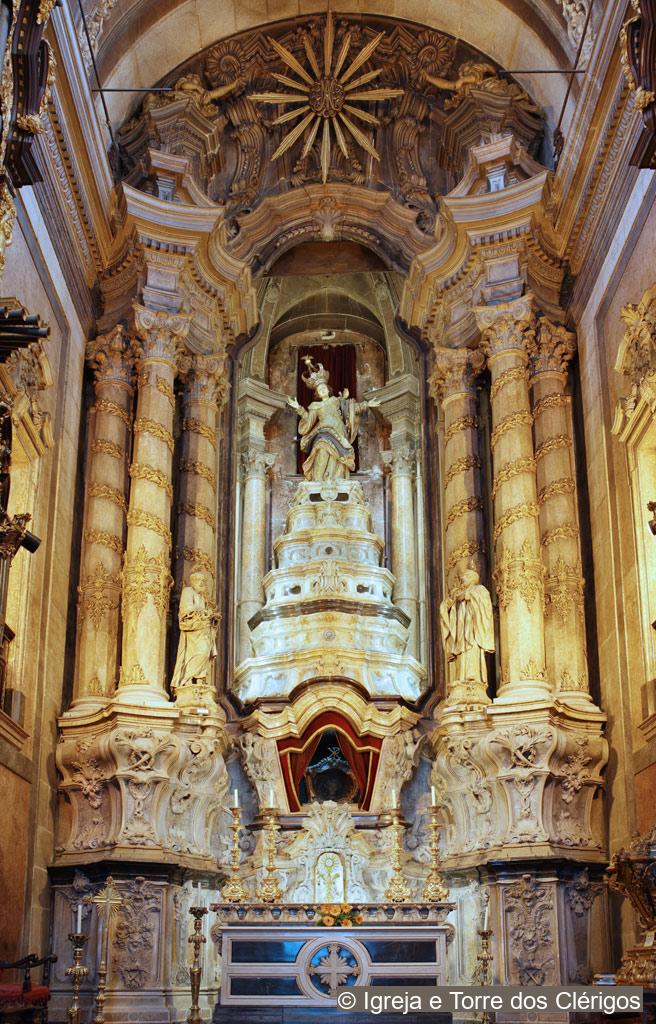
Main Altar Altarpiece
Interior, Chancel
1745–1759
Luís Pereira da Costa (active 1724–?), João Lopes da Maia [n.d.], Domingos Martins Moreira (active 1746–1750)
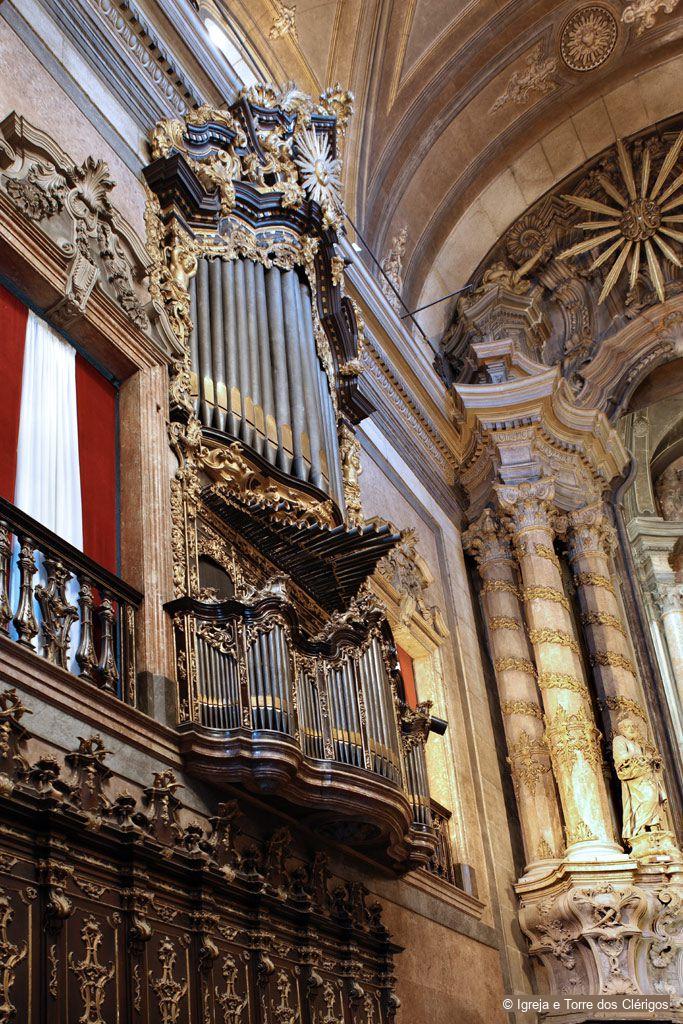
Late Baroque gilt wood carved altarpiece.
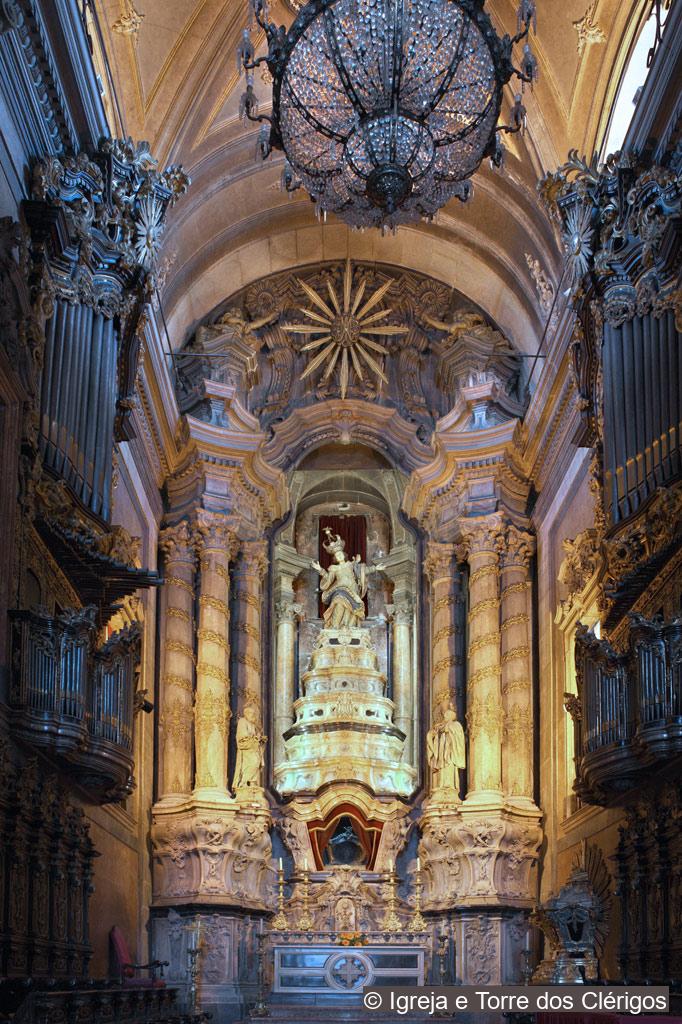
Ground Plan
1745–1746
Nicolau Nasoni (1691–1773)
The building is organised on an axis plan, leading from the stairway through to the oval nave, the chancel and the offices, up to the bell tower.
Selected bibliography:
Alves, J. J. F., O Porto na Época dos Almadas , Porto, 1988
Alves, N. M. F., A Arte da Talha no Porto na Época Barroca (Artistas e Clientela, Materiais e Técnica), Porto, 1989.
Smith, R. C., Nicolau Nasoni. Arquitecto do Porto, Lisbon, 1973.
Citation of this web page:
Paulo Pereira "Church and Tower of the Clergymen" in "Discover Baroque Art", Museum With No Frontiers, 2026.
https://baroqueart.museumwnf.org/database_item.php?id=monument;BAR;pt;Mon11;20;en
Prepared by: Paulo PereiraPaulo Pereira
SURNAME: Pereira
NAME: Paulo
AFFILIATION Faculty of Architecture, Technical University of Lisbon
TITLE: University Lecturer
CV:
Paulo Pereira holds an MA in Cultural Studies and has been a speaker at numerous seminars and congresses in Portugal, Spain, France, Italy, the United States and Brazil. Paulo has co-ordinated and published books about Portuguese art and history, some of which are award winning. He is curator of several exhibitions held in Portugal, Ghent, Brussels and Berlin and been a contributing author for several exhibition catalogues. He has exercised managerial roles within the Town Hall of Lisbon, was Vice President of the Portuguese Heritage Institute (IGESPAR) and is a lecturer at the Technical University of Lisbon (Faculty of Architecture).
Translation by: Lili Cavalheiro, Cristina CorreiaCristina Correia
SURNAME: Correia
NAME: Cristina
AFFILIATION: Eça de Queirós Public High School, Lisbon and MWNF
TITLE: Senior Teacher, Local Co-ordinator and Vice-President of MWNF
CV:
Cristina Correia is a History graduate and, since 1985, a Senior Teacher of History at the Eça de Queirós Public High School, Lisbon where she also lectures in Portuguese Language and Culture for non-native speakers. From 1987 to 1998 she was involved with youth affairs, primary prevention and the Camões Institute. She is Vice-President and Local Co-ordinator (Portugal) for MWNF.
Translation copyedited by: Mandi GomezMandi Gomez
Amanda Gomez is a freelance copy-editor and proofreader working in London. She studied Art History and Literature at Essex University (1986–89) and received her MA (Area Studies Africa: Art, Literature, African Thought) from SOAS in 1990. She worked as an editorial assistant for the independent publisher Bellew Publishing (1991–94) and studied at Bookhouse and the London College of Printing on day release. She was publications officer at the Museum of London until 2000 and then took a role at Art Books International, where she worked on projects for independent publishers and arts institutions that included MWNF’s English-language editions of the books series Islamic Art in the Mediterranean. She was part of the editorial team for further MWNF iterations: Discover Islamic Art in the Mediterranean Virtual Museum and the illustrated volume Discover Islamic Art in the Mediterranean.
True to its ethos of connecting people through the arts, MWNF has provided Amanda with valuable opportunities for discovery and learning, increased her editorial experience, and connected her with publishers and institutions all over the world. More recently, the projects she has worked on include MWNF’s Sharing History Virtual Museum and Exhibition series, Vitra Design Museum’s Victor Papanek and Objects of Desire, and Haus der Kulturen der Welt’s online publication 2 or 3 Tigers and its volume Race, Nation, Class.
MWNF Working Number: PT 20