

 Back
Back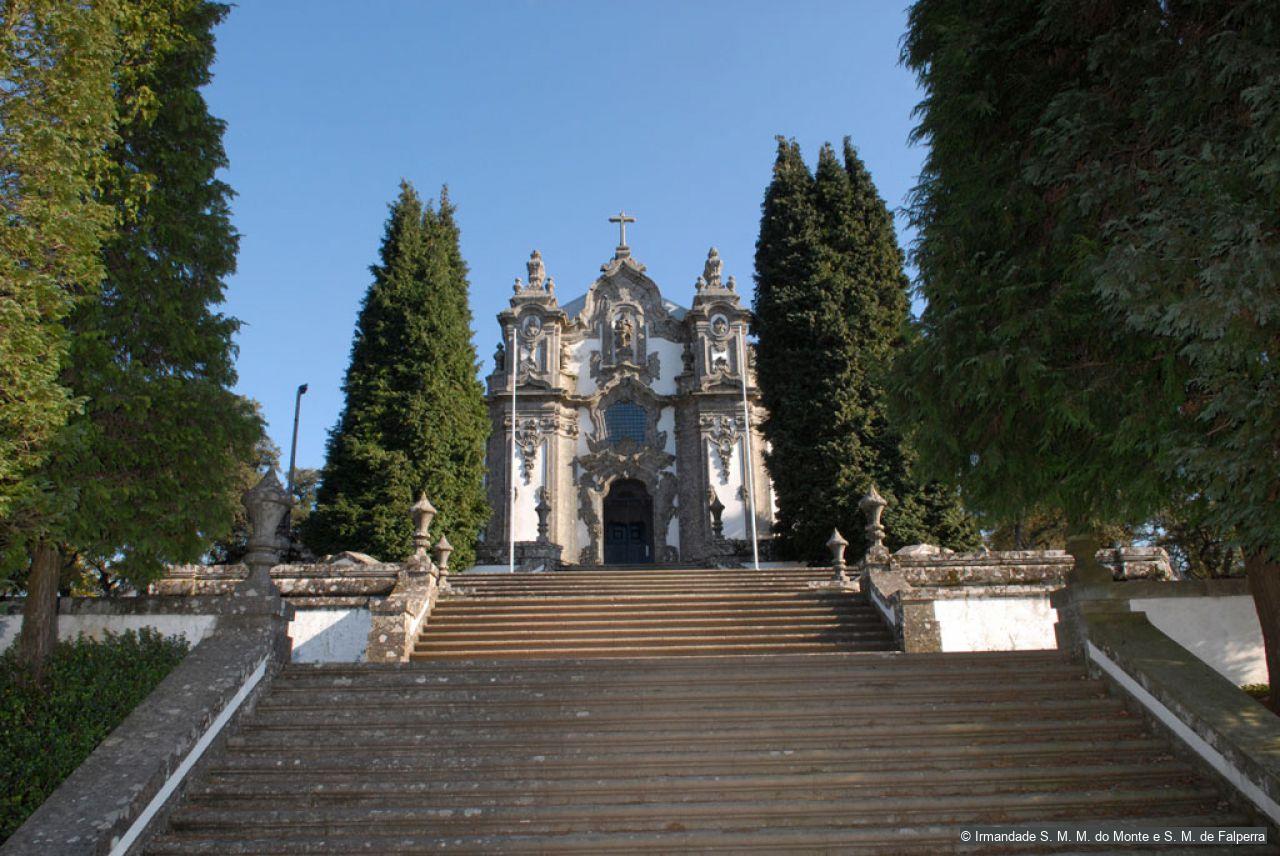
 Add to My Collection
Name of Monument:
Church of Falperra
Also known as:
Sanctuary of Falperra; Church of Santa Maria Madalena da Falperra
Location:
Braga, Braga, Portugal
Santuário de Santa Maria Madalena
Falperra
Freguesia de Longos
4810-209 Guimarães
T : +351 253 683 330 +351 91 755 1987
E : presidente@cvp-braga.com.pt
Irmandade de Santa Maria Madalena da Falperra (Responsible Institution)
Date:
1737–1757
Artists:
Architect: André Soares (1720–1769); master contractors: Manuel Fernandes da Silva, Domingos da Silva, Domingos Moreira; sculptor: António Pinto, whose dates are unknown.
Denomination / Type of monument:
Religious architecture, church
Patron(s):
Brotherhood of Falperra
History:
In the 16th century there was a small chapel dedicated to St. Mary Magdalene. In 1676, the chapel was given to the brotherhood of Falperra. From 1694 building began on a new church to the designs of Manuel Fernandes da Silva. By 1737 the church was almost finished and was consecrated. The main façade was rebuilt in 1747, but following the earthquake of 1755 the church was almost destroyed. The Brotherhood of Falperra commissioned the architect, André Soares, to design a new façade and altarpiece. Soares also designed the staircase, which was rebuilt in 1958.
Description:
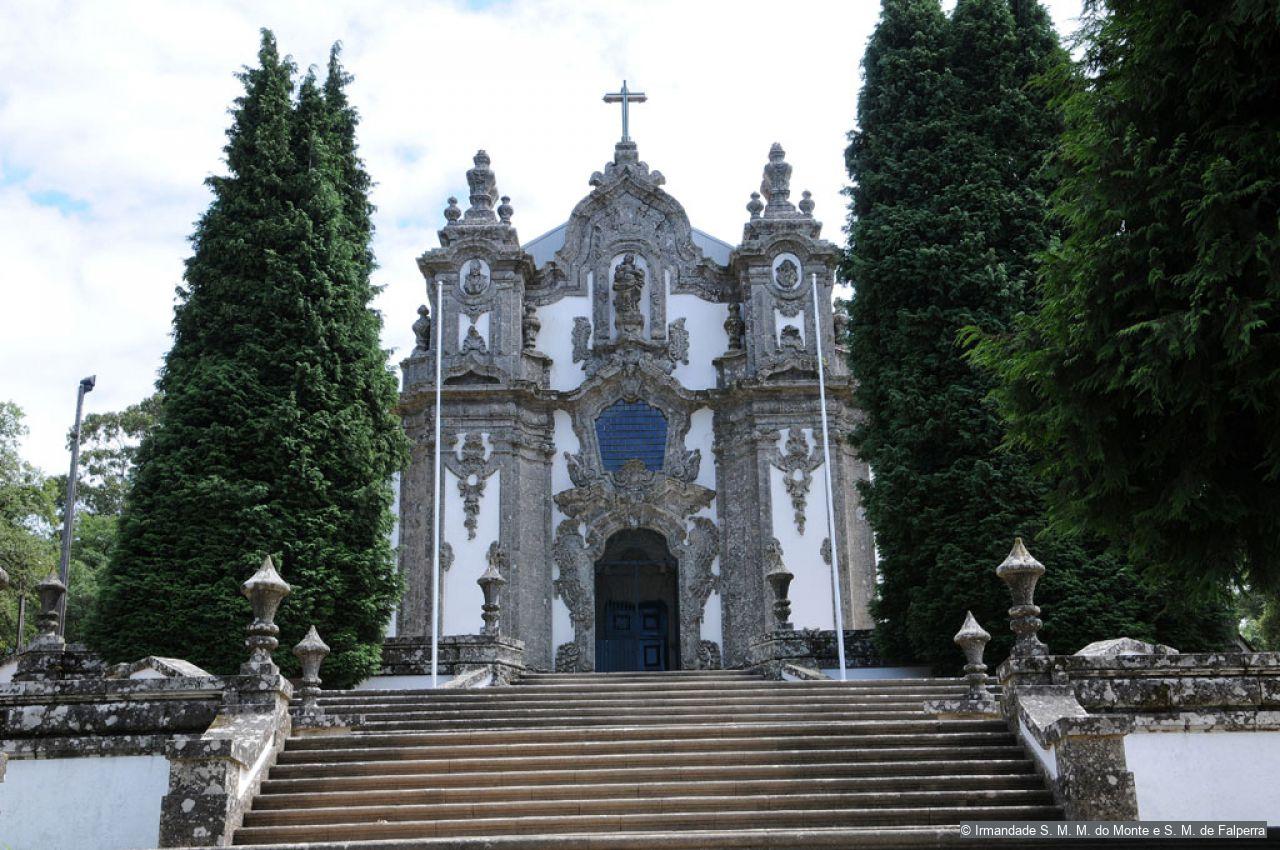
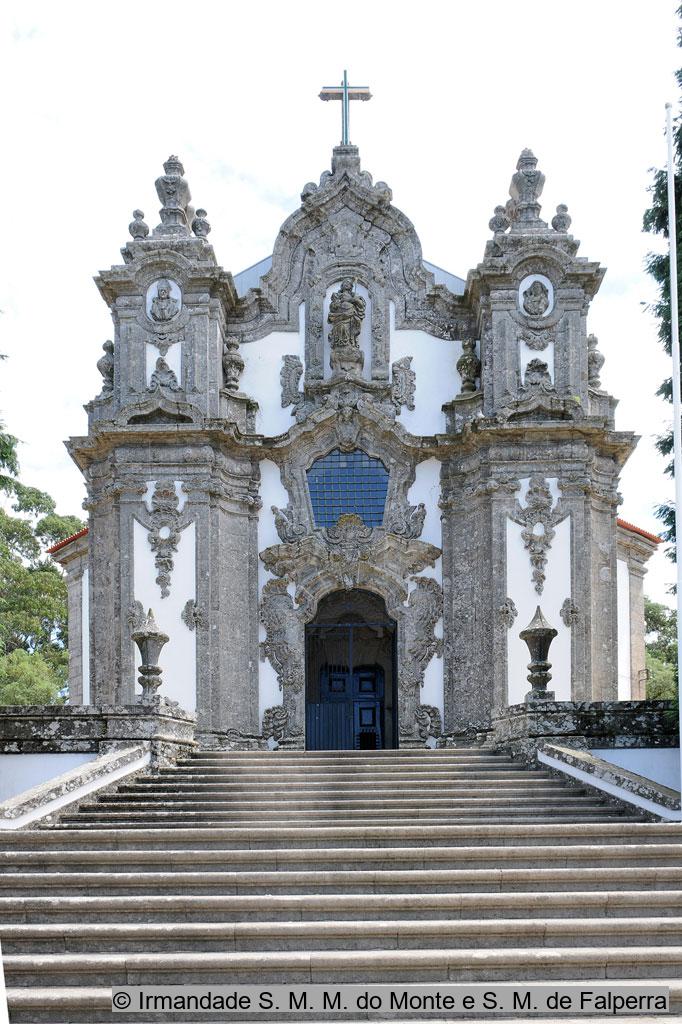
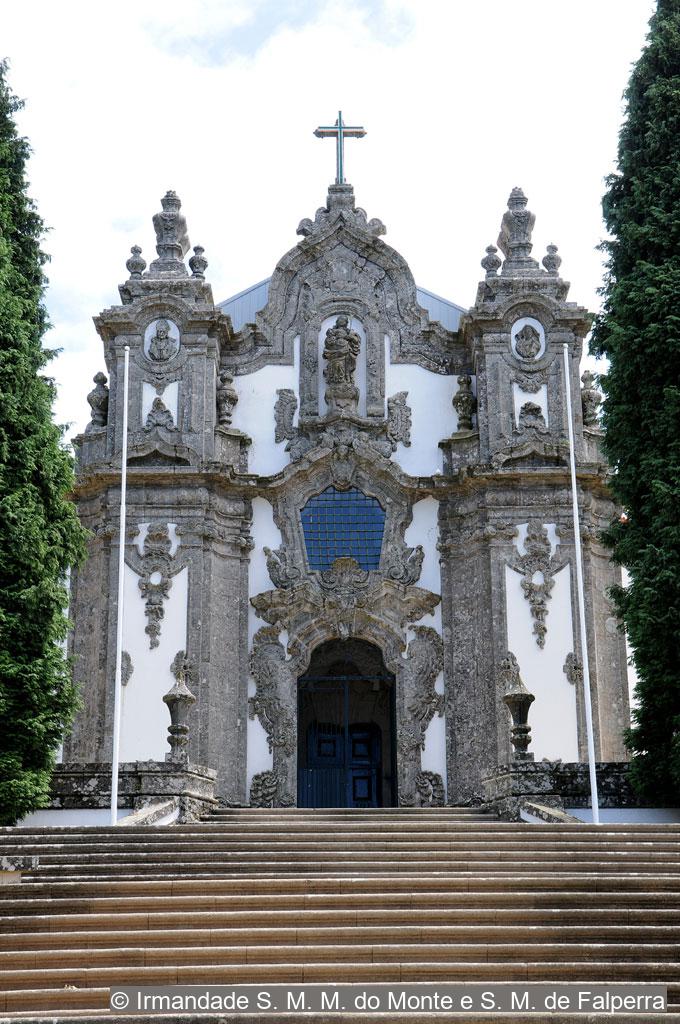
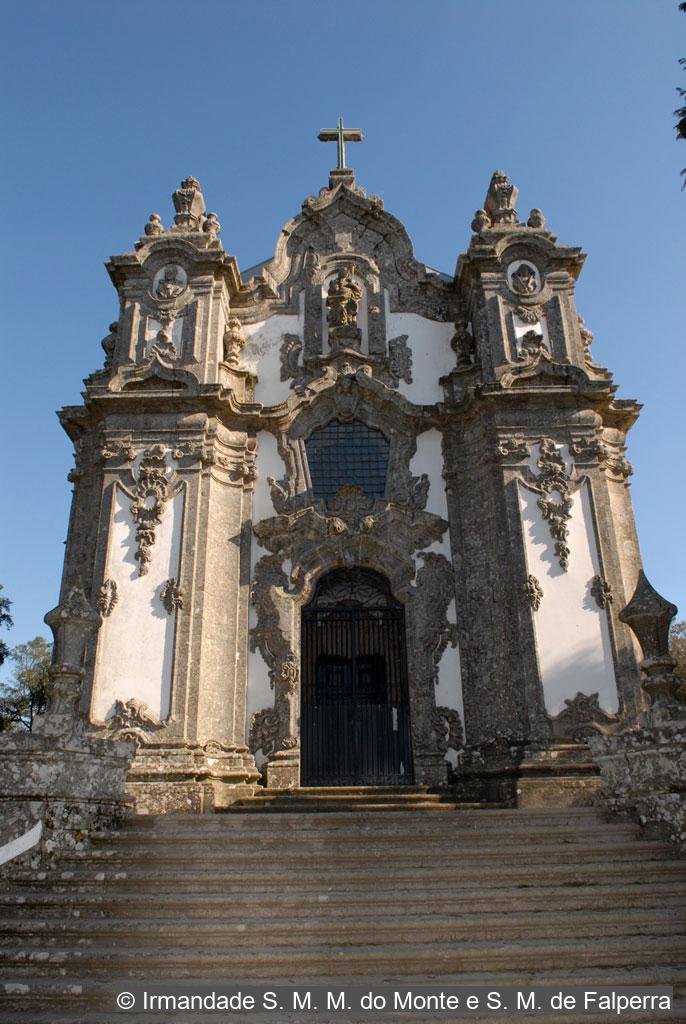
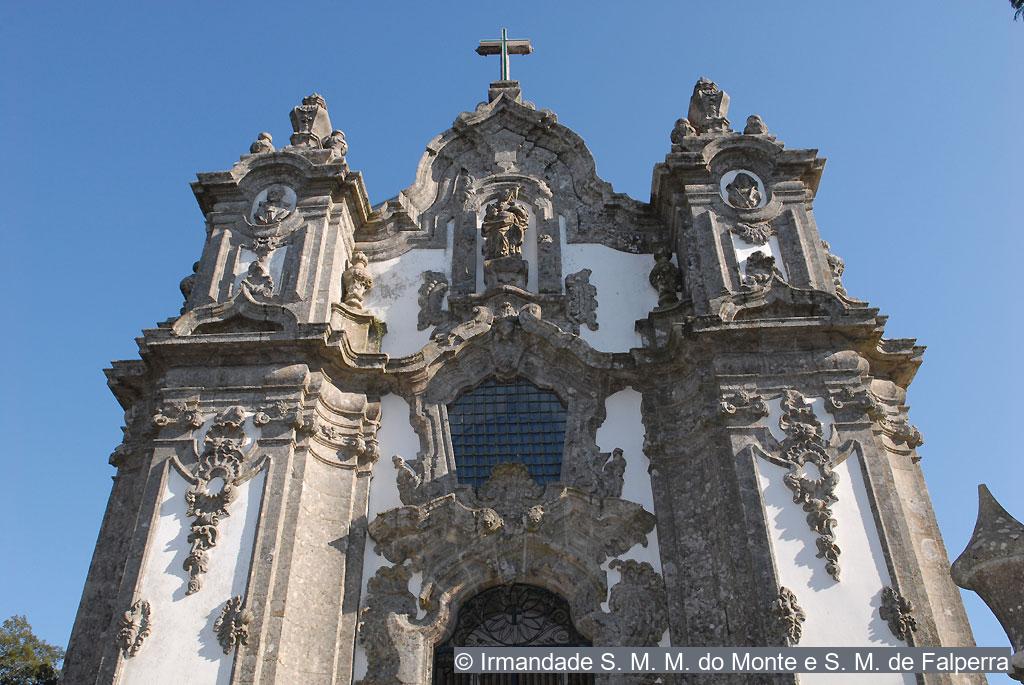
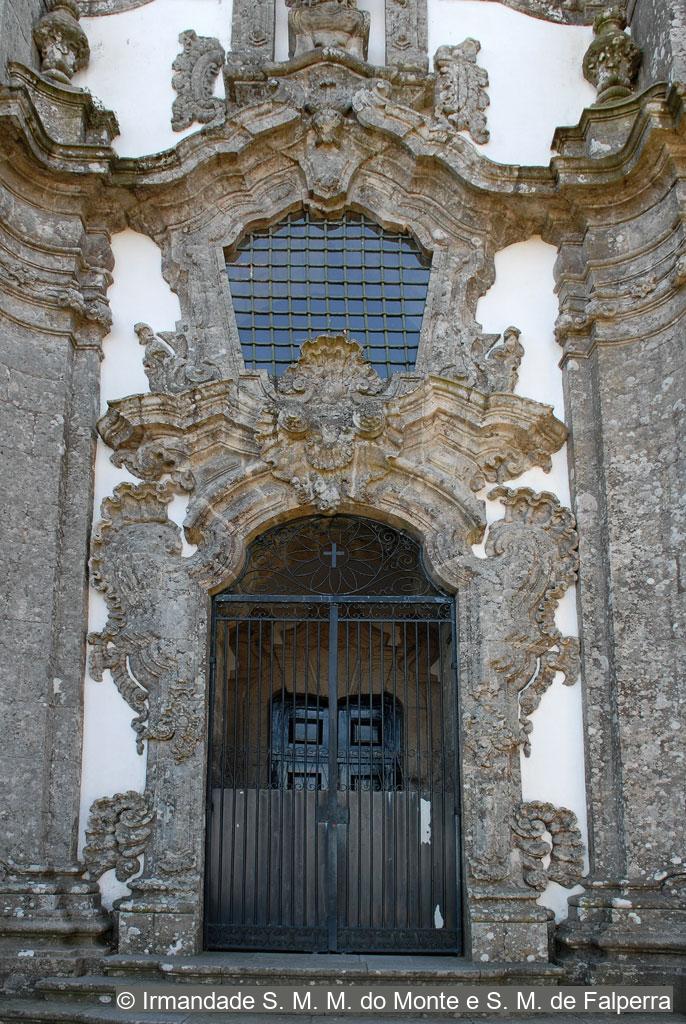
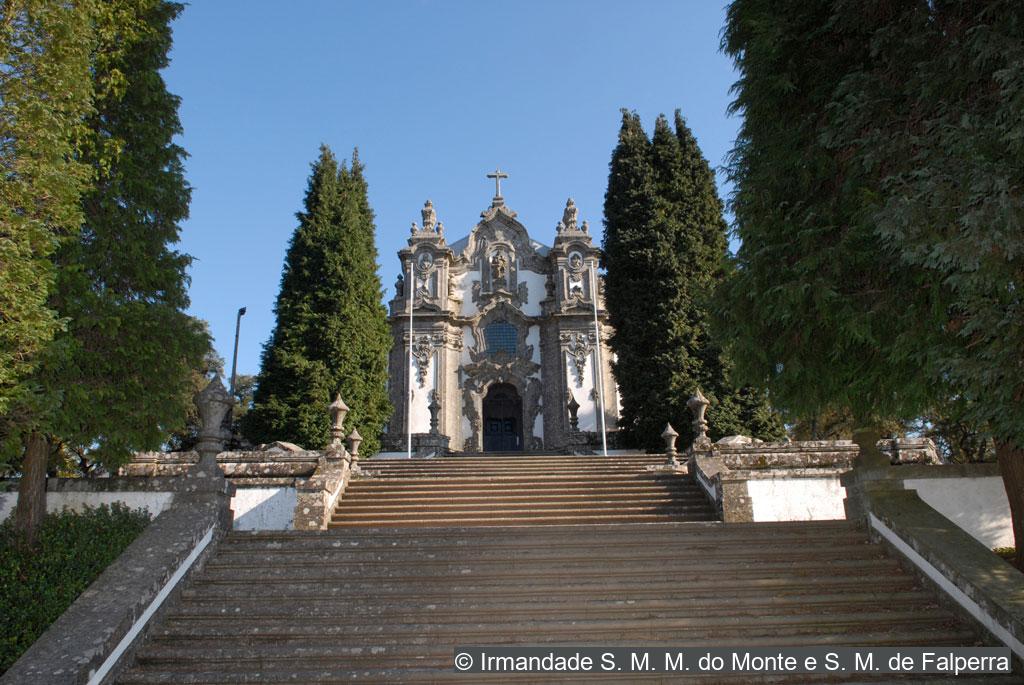
The Church of Santa Maria da Falperra in northern Portugal has been a site of pilgrimage since the 16th century and dominates the surrounding area. The façade bears the hallmark of André Soares: the two towers positioned oblique to the façade. These two short towers, with edges decorated in granite, frame the central plan of the façade. Stone carvings, on a white-washed masonry base are the work of the Rocaille decorators. They used a fluid drawing style that allowed the formal instability of purely architectonic elements to give way to organic forms, thus removing the “mineral” inertia of stone and presenting an innovation that appeared as if a new vegetal (and architectonic) order had been proposed. In the façade the characteristics of André Soares' drawings and projects are evident. He also designed the main altarpiece and wooden retables in this church.
View Short DescriptionA small pilgrimage church in the Rocaille style, with a front staircase and symmetrical façade with two towers. The façade and the main altarpiece were designed by the architect, André Soares.
How Monument was dated:
Historical evidence and stylistic analysis
Special features
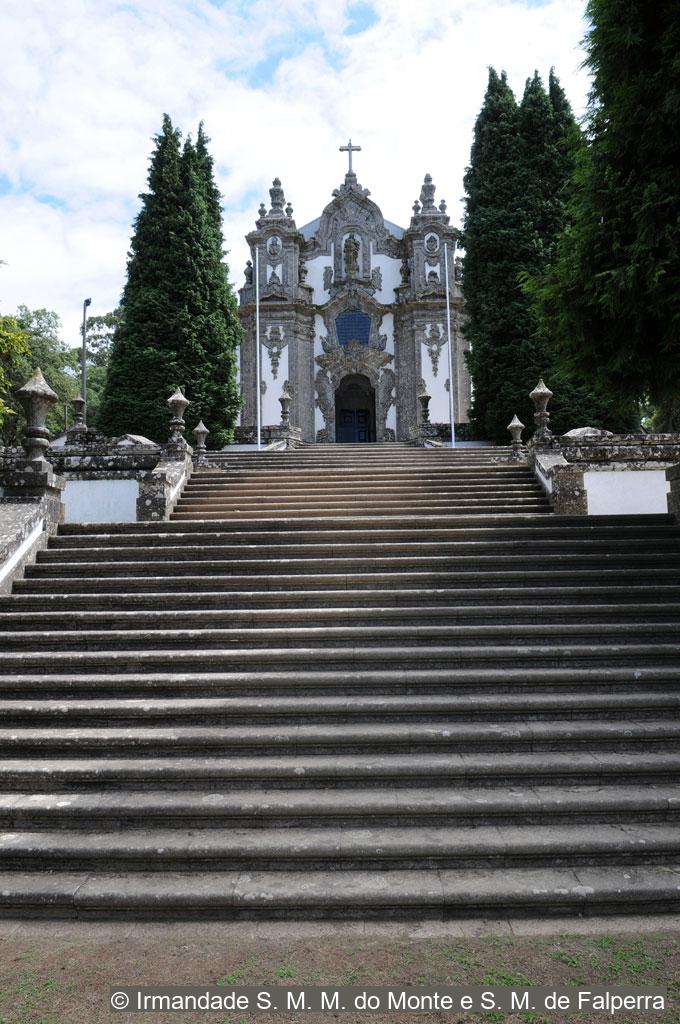
Façade
1755–1781
André Soares (1720–1769)
The curved profiles of the towers and the wavy cornice look like details more usually seen on furniture.
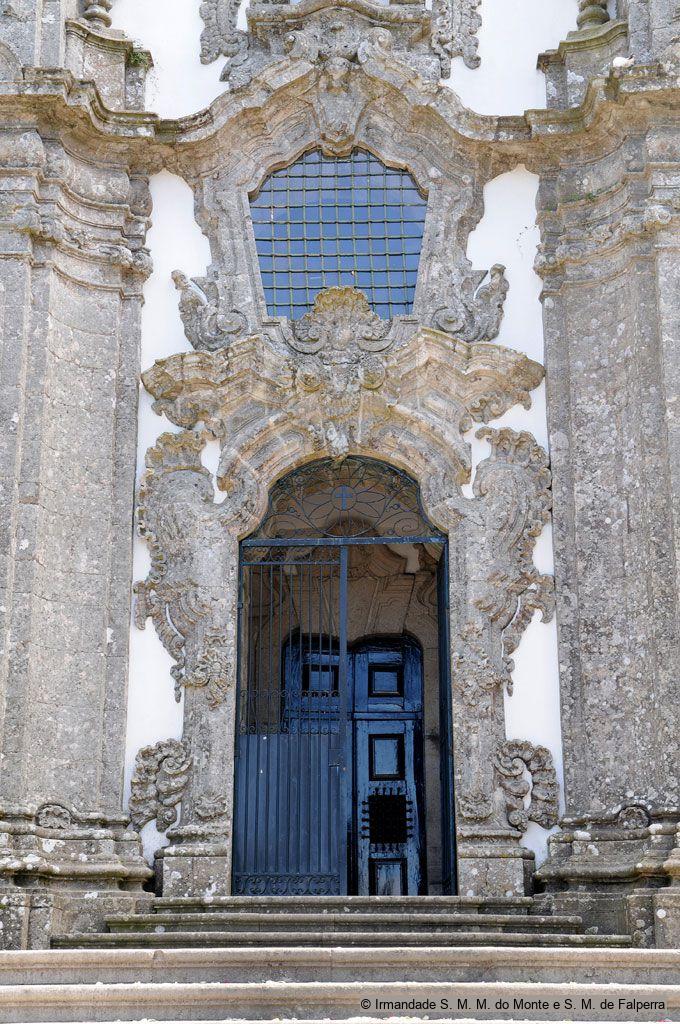
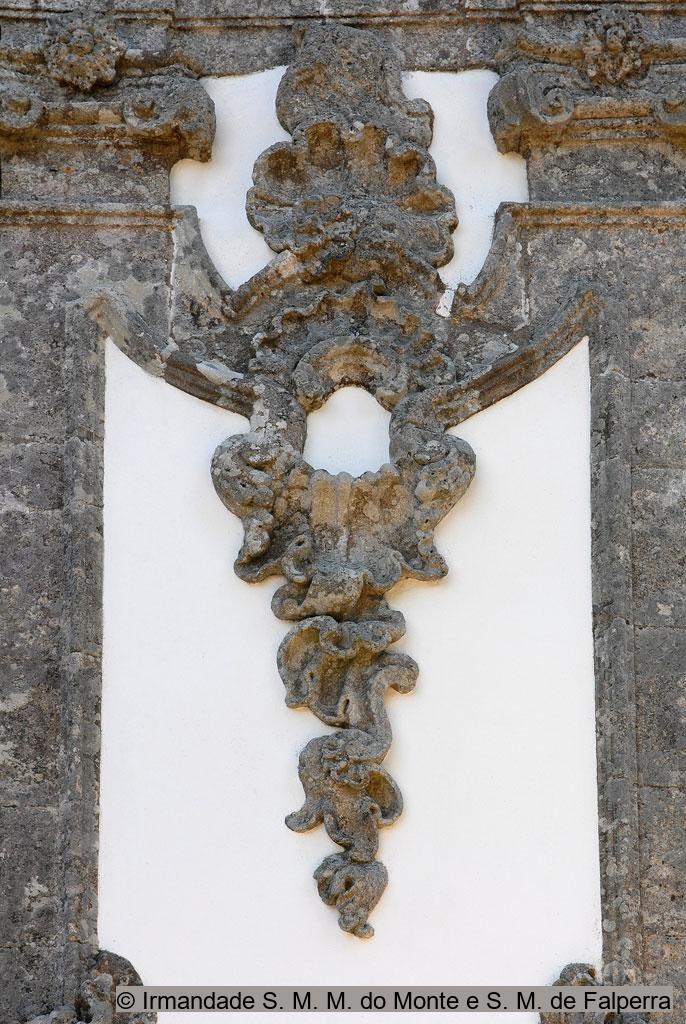
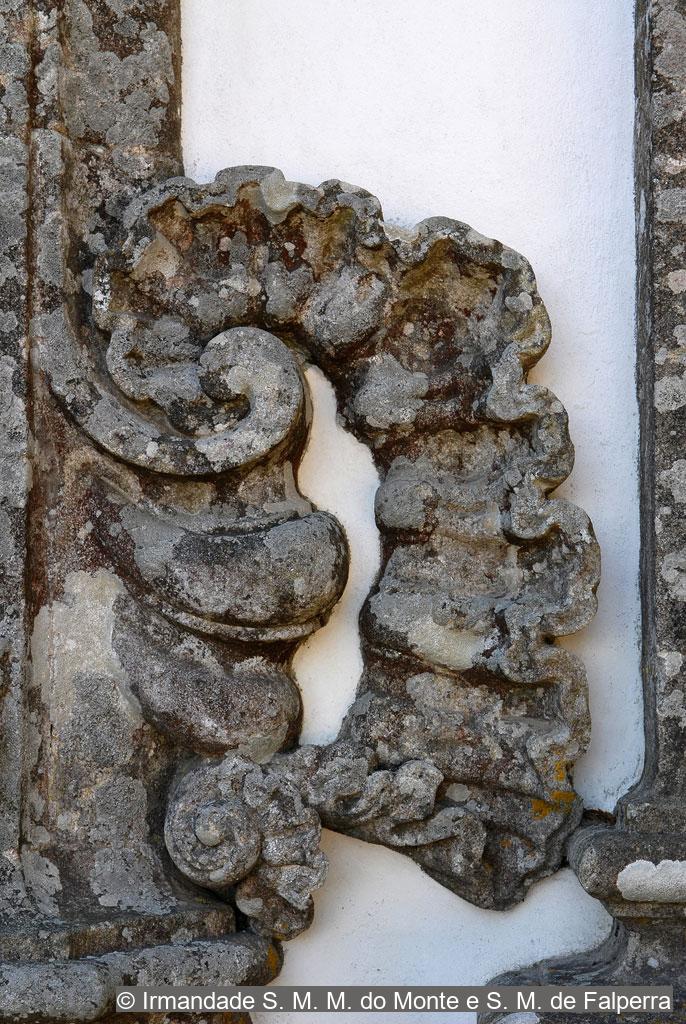
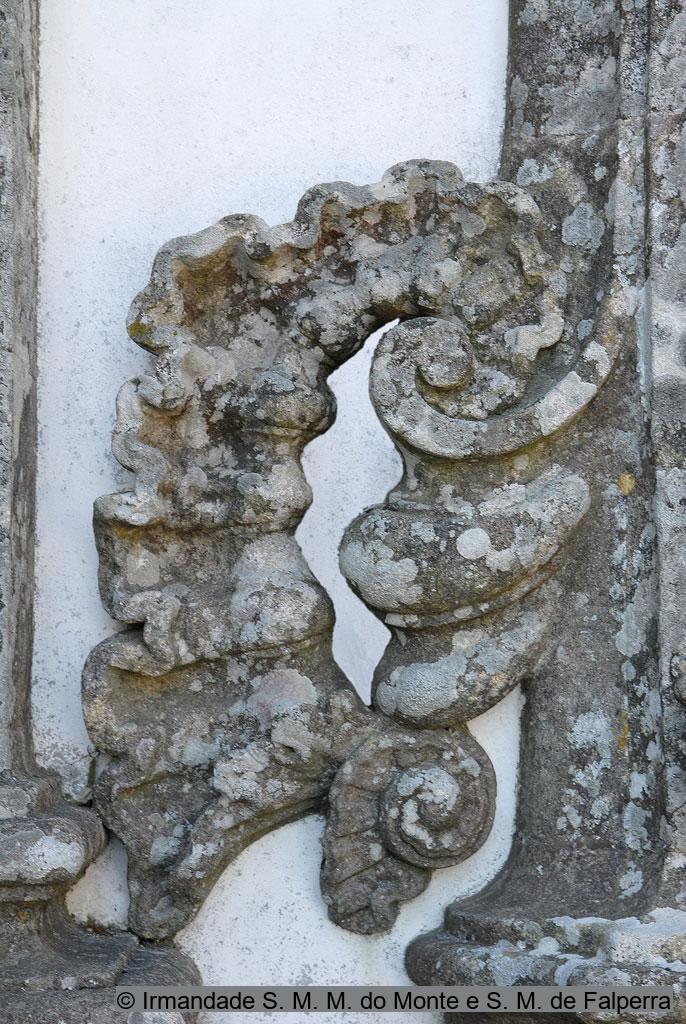
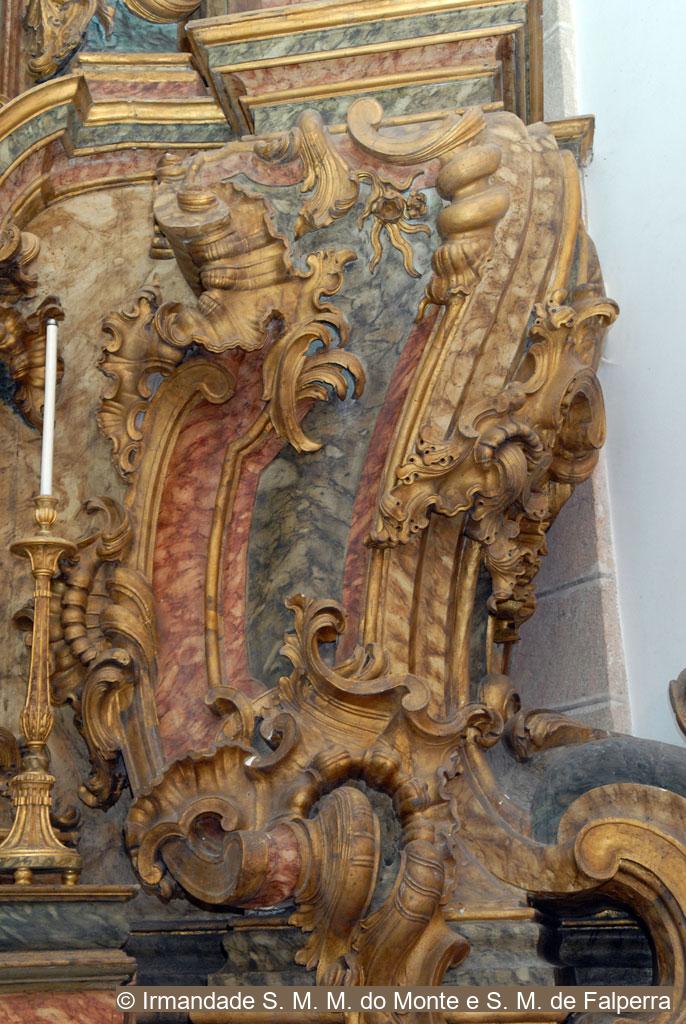
Detail of carved stone ornamentation
1755–1781
André Soares (1720–1769)
The concheado or shell-like style, which in Portugal corresponds to Rocaille with its asymmetry, is overdone here as the granite becomes ductile and plastic.
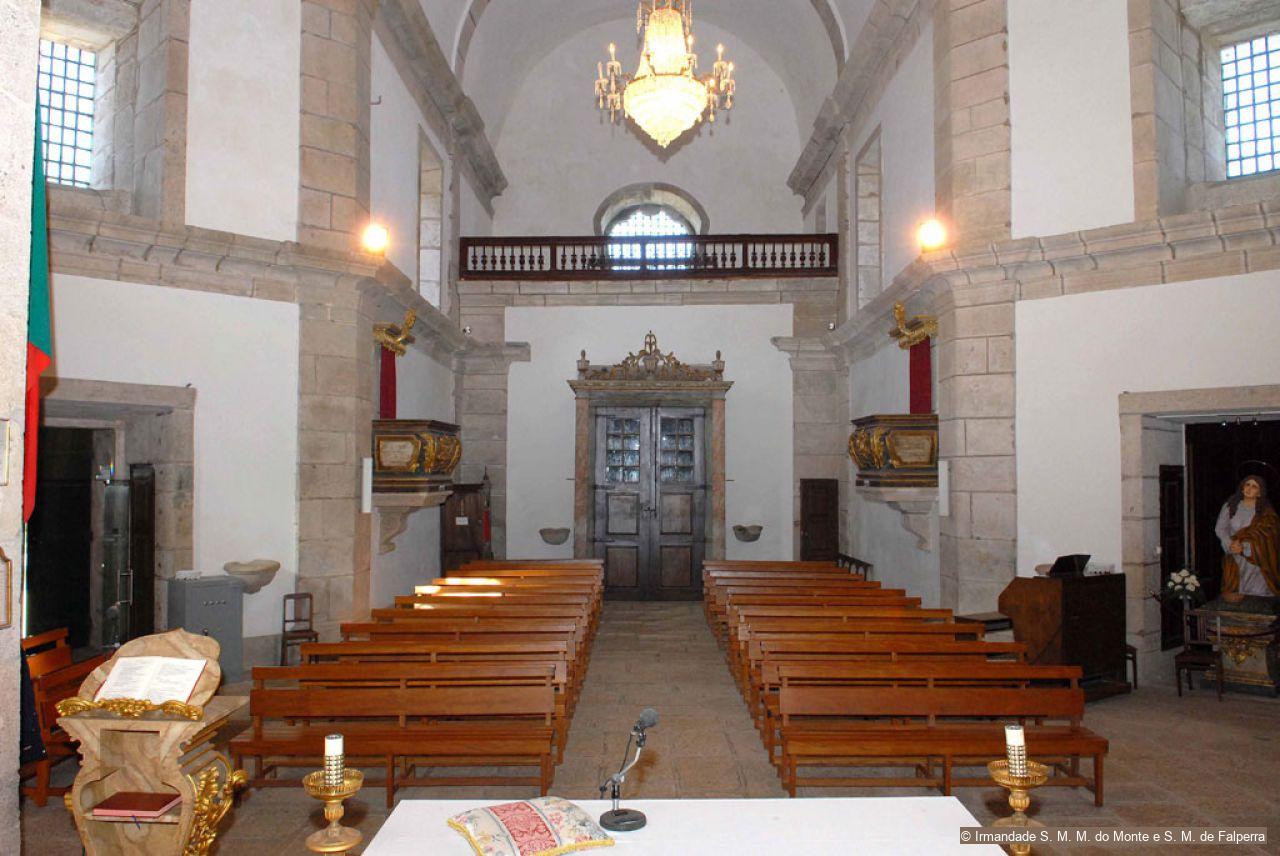
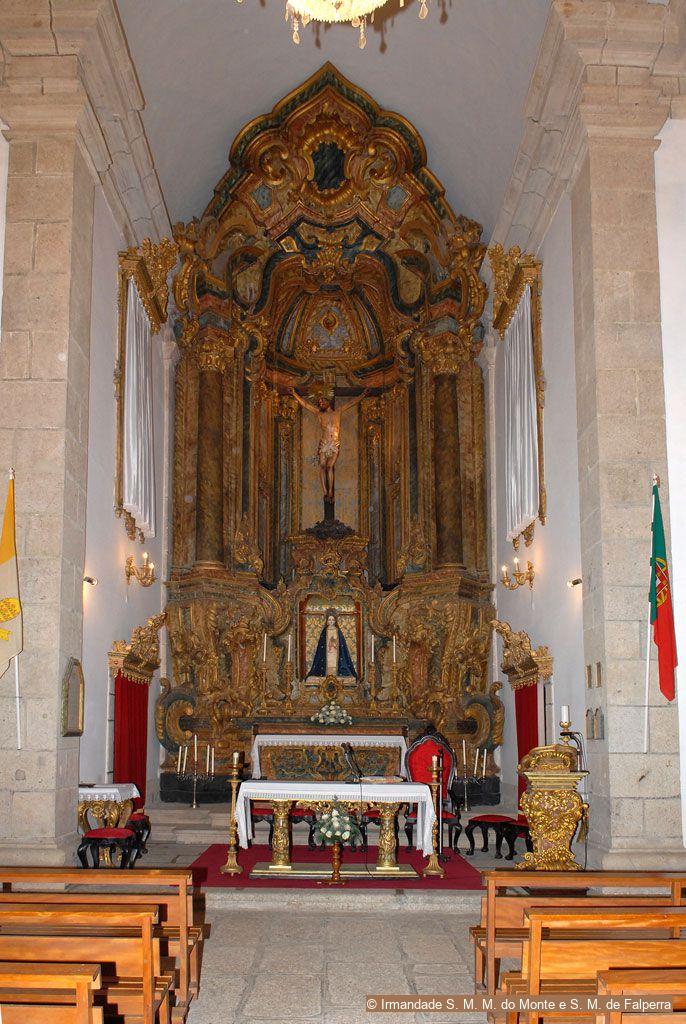
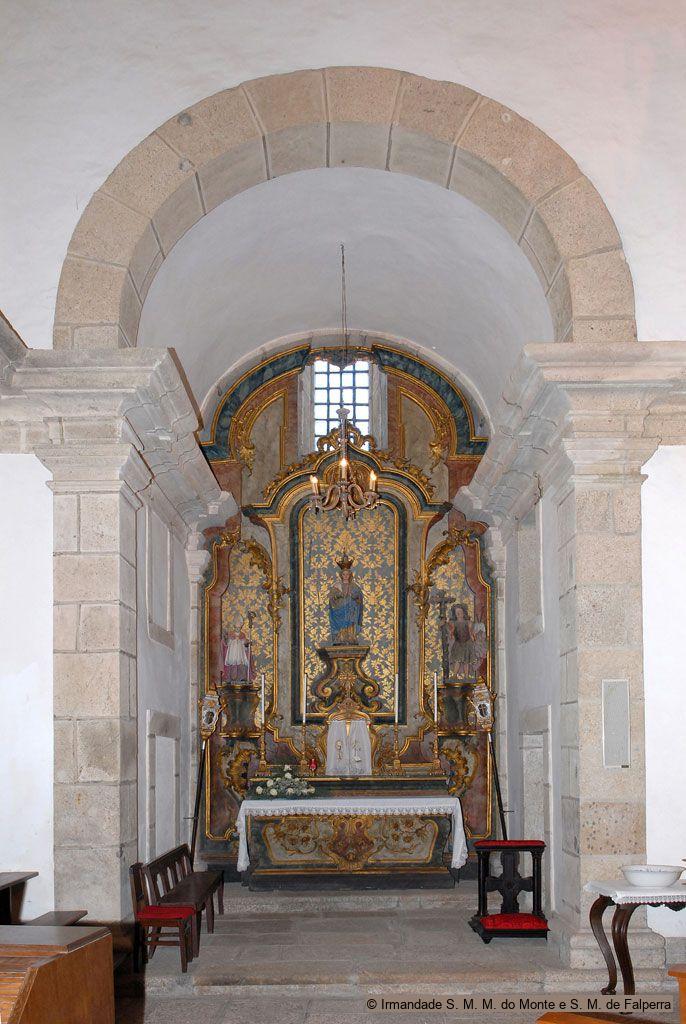
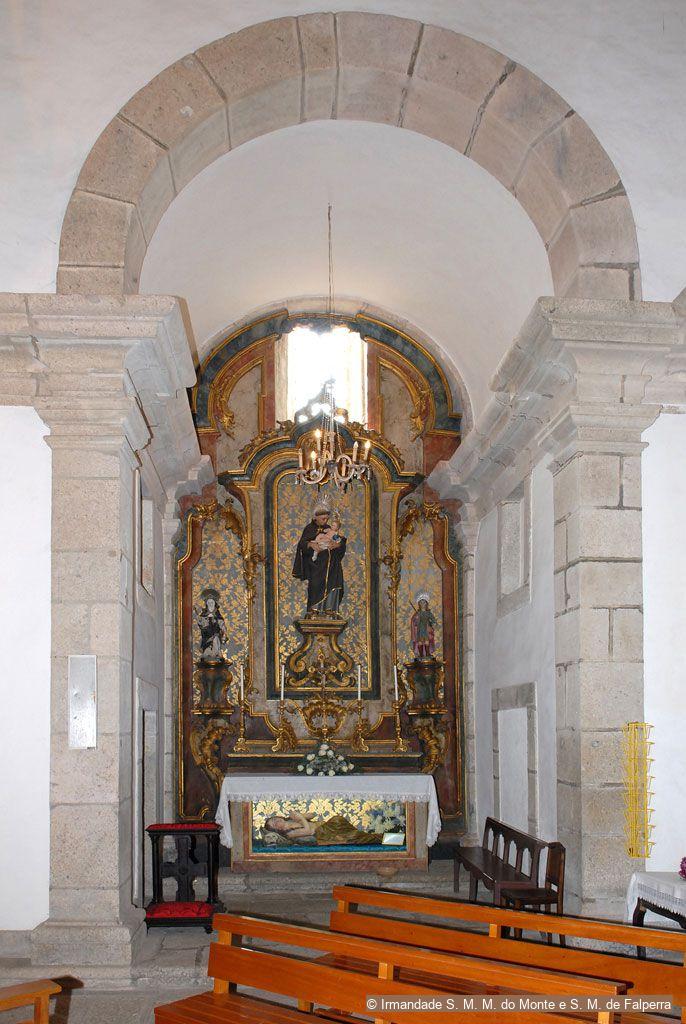
Nave and Chancel
1755–1781
André Soares (1720–1769)
View of the main altarpiece with gilt wood carving.
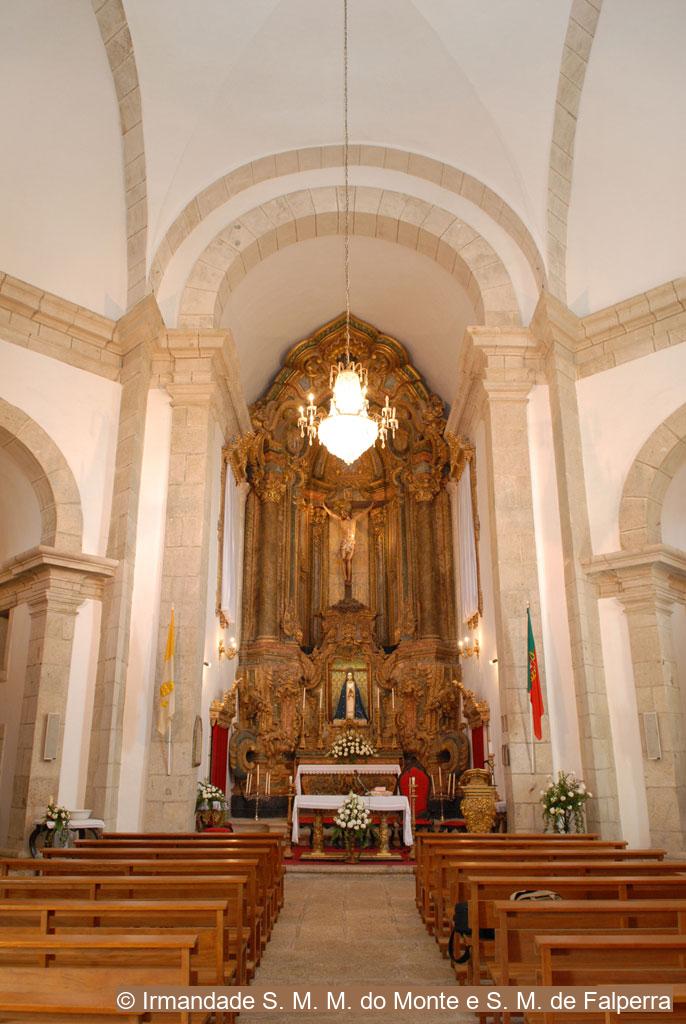
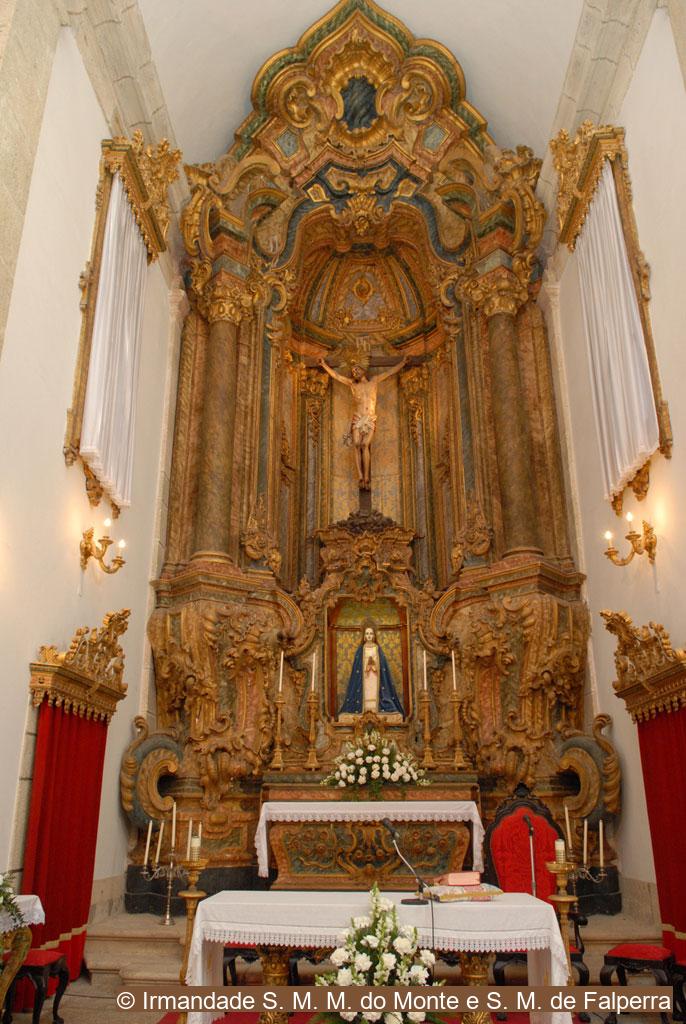
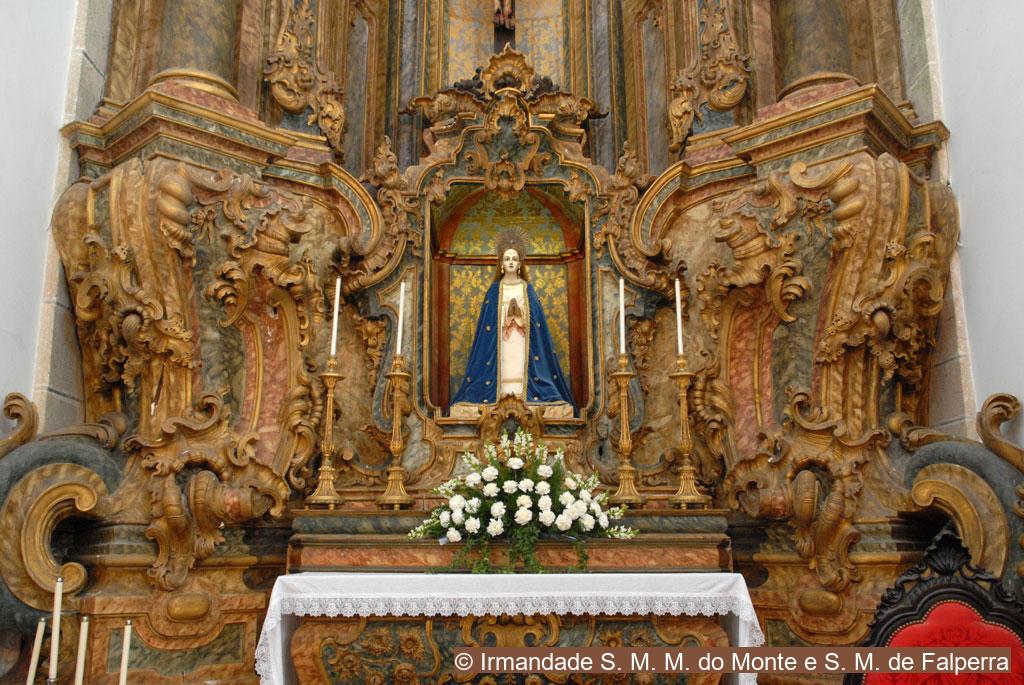
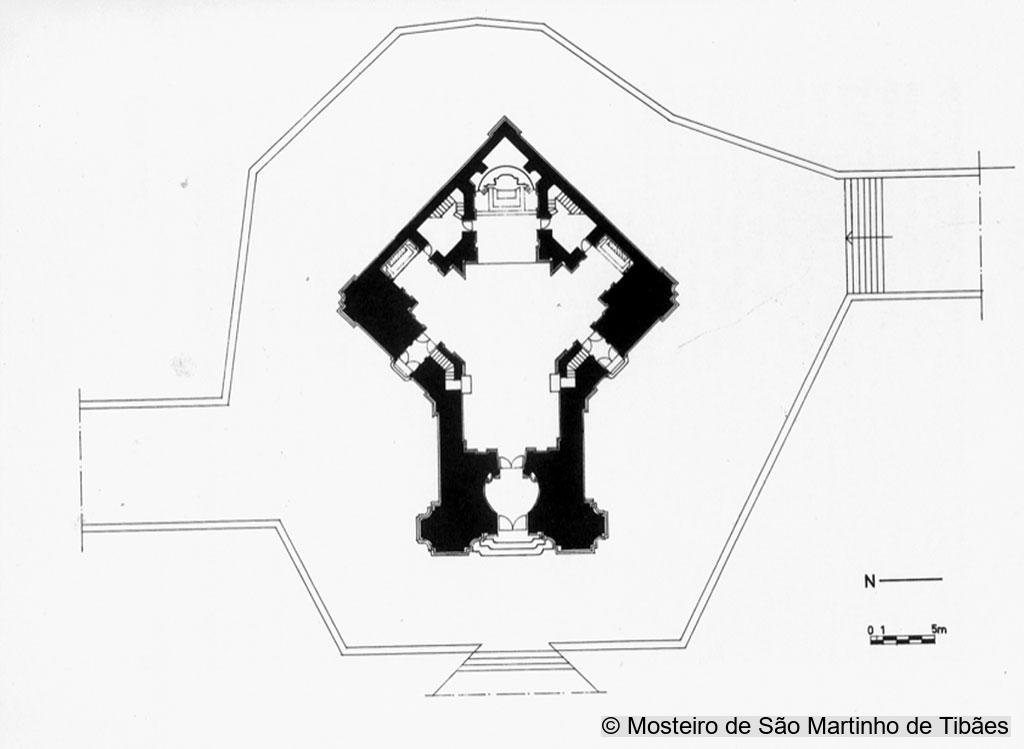
Ground Plan
1737–1781
Manuel Fernandes da Silva [n.d.] and André Soares (1720–1769)
The new façade designed by André Soares was attached to the existing church designed by Manuel Fernandes da Silva, and which had an exquisite ground plan combining a square and a lozenge.
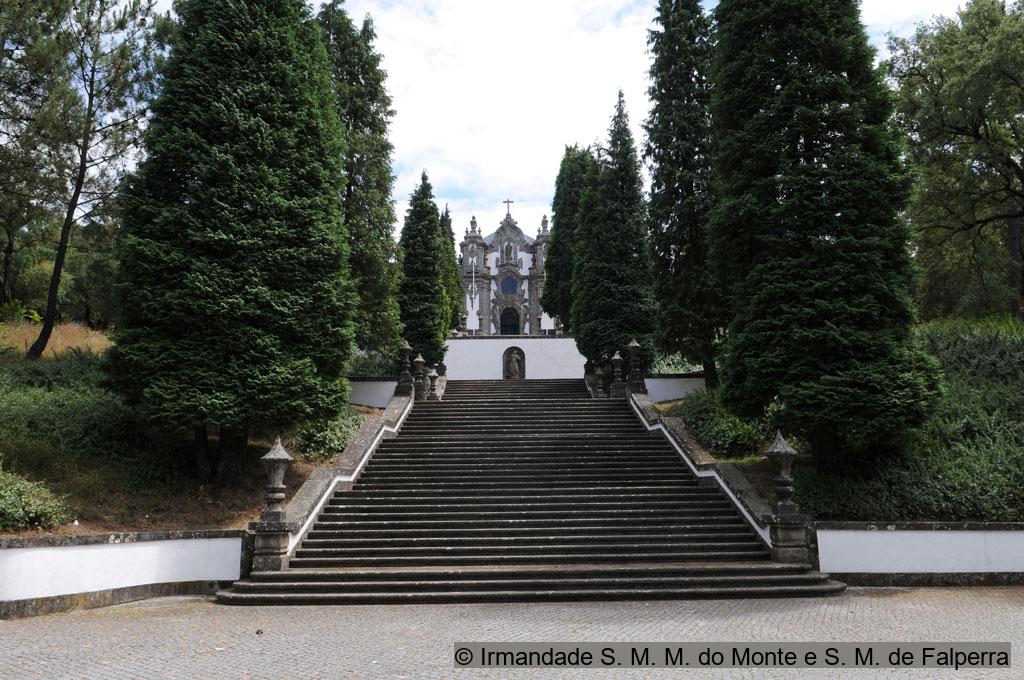
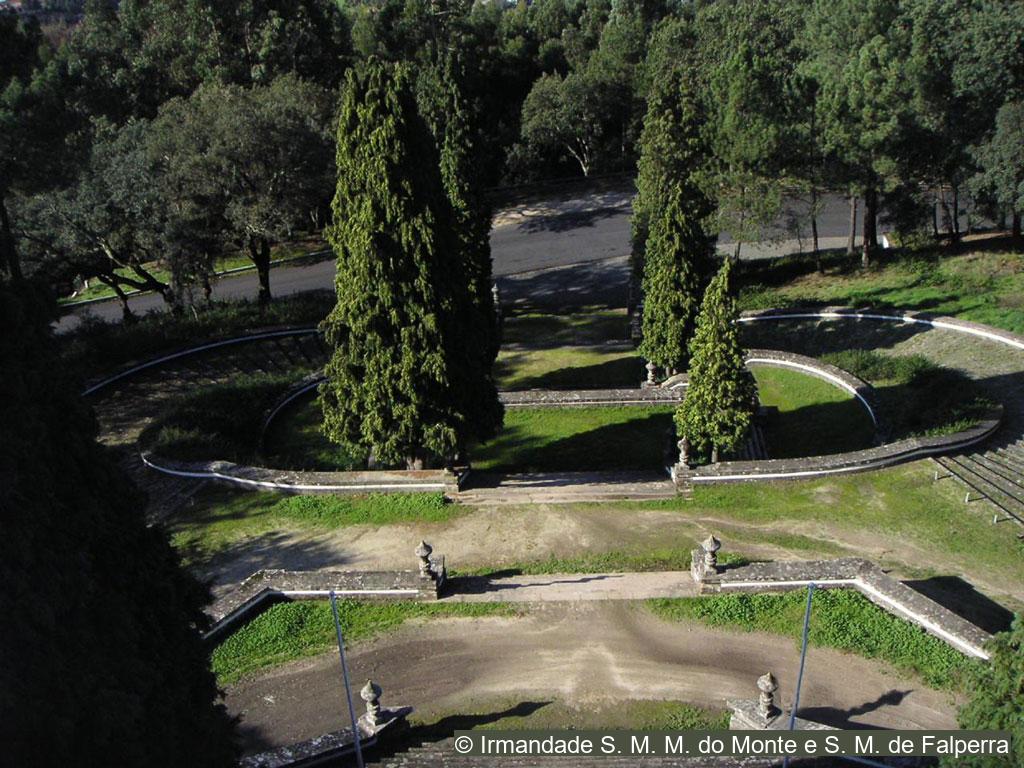
General View with Staircase
1755–1958
André Soares (1720–1769)and others
This beautiful staircase, designed by André Soares, was rebuilt in 1958.
Selected bibliography:
Smith, R., André Soares, Arquitecto do Minho, Lisbon, 1973.
Rocha, M. J. Moreira da, A capela de Santa Madalena do Monte da Falperra, de Braga, à luz da documentação notarial, "Revista de Ciências Históricas", 5, Porto, 1990.
Serrão, V., História da Arte em Portugal – O Barroco, Lisbon, 2003.
Additional Copyright Information:
Copyright images: Irmandade Santa Maria Madalena do Monte e Santa Marta de Falperra.
Citation of this web page:
Fernando A. Baptista Pereira, Paulo Pereira "Church of Falperra" in "Discover Baroque Art", Museum With No Frontiers, 2026.
https://baroqueart.museumwnf.org/database_item.php?id=monument;BAR;pt;Mon11;22;en
Prepared by: Fernando A. Baptista Pereira, Paulo PereiraPaulo Pereira
SURNAME: Pereira
NAME: Paulo
AFFILIATION Faculty of Architecture, Technical University of Lisbon
TITLE: University Lecturer
CV:
Paulo Pereira holds an MA in Cultural Studies and has been a speaker at numerous seminars and congresses in Portugal, Spain, France, Italy, the United States and Brazil. Paulo has co-ordinated and published books about Portuguese art and history, some of which are award winning. He is curator of several exhibitions held in Portugal, Ghent, Brussels and Berlin and been a contributing author for several exhibition catalogues. He has exercised managerial roles within the Town Hall of Lisbon, was Vice President of the Portuguese Heritage Institute (IGESPAR) and is a lecturer at the Technical University of Lisbon (Faculty of Architecture).
Translation by: Vanda Meneses , Manuela Alcobia
Translation copyedited by: Mandi GomezMandi Gomez
Amanda Gomez is a freelance copy-editor and proofreader working in London. She studied Art History and Literature at Essex University (1986–89) and received her MA (Area Studies Africa: Art, Literature, African Thought) from SOAS in 1990. She worked as an editorial assistant for the independent publisher Bellew Publishing (1991–94) and studied at Bookhouse and the London College of Printing on day release. She was publications officer at the Museum of London until 2000 and then took a role at Art Books International, where she worked on projects for independent publishers and arts institutions that included MWNF’s English-language editions of the books series Islamic Art in the Mediterranean. She was part of the editorial team for further MWNF iterations: Discover Islamic Art in the Mediterranean Virtual Museum and the illustrated volume Discover Islamic Art in the Mediterranean.
True to its ethos of connecting people through the arts, MWNF has provided Amanda with valuable opportunities for discovery and learning, increased her editorial experience, and connected her with publishers and institutions all over the world. More recently, the projects she has worked on include MWNF’s Sharing History Virtual Museum and Exhibition series, Vitra Design Museum’s Victor Papanek and Objects of Desire, and Haus der Kulturen der Welt’s online publication 2 or 3 Tigers and its volume Race, Nation, Class.
MWNF Working Number: PT 22