

 Back
Back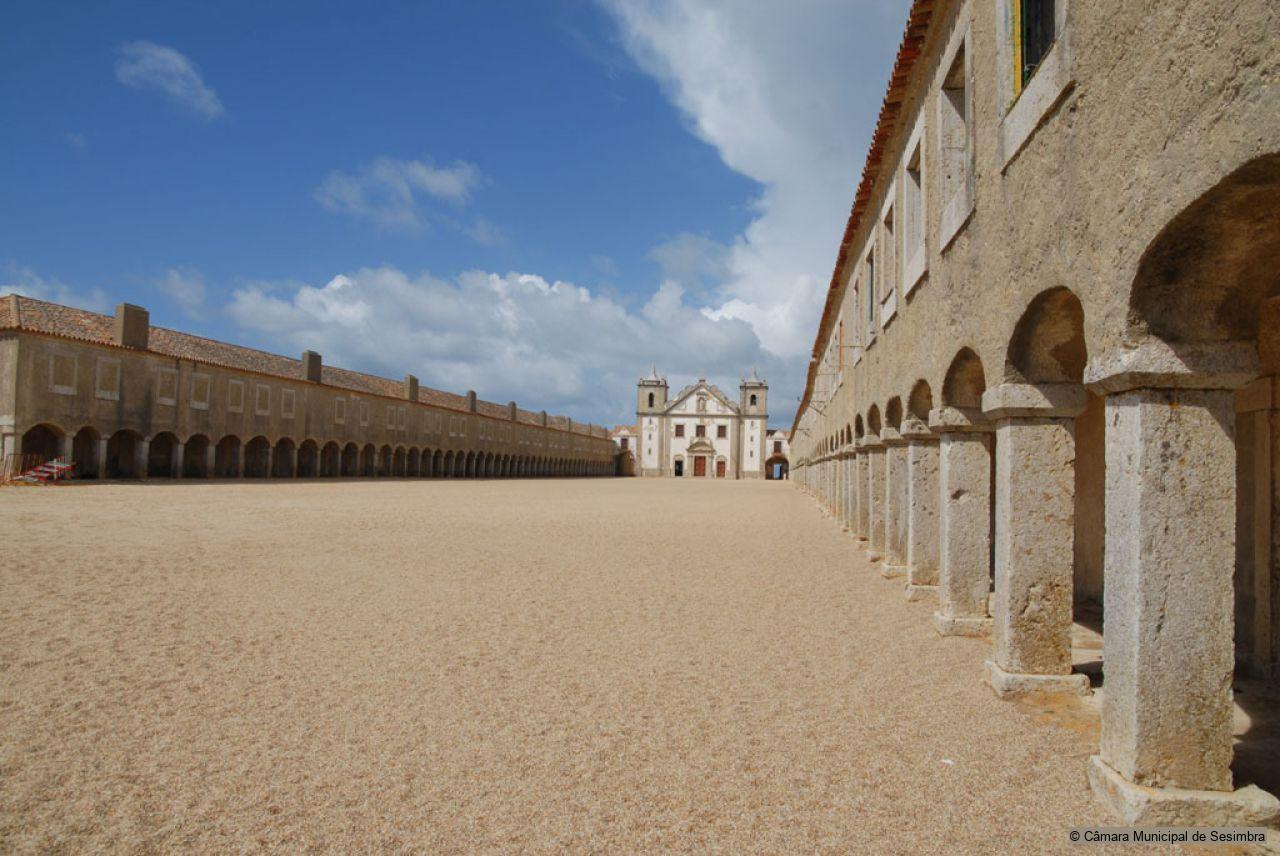
 Add to My Collection
Name of Monument:
Sanctuary of Our Lady of Cape Espichel
Also known as:
Santuário de Nossa Senhora do Cabo; Santuário de Nossa Senhora da Pedra Mua
Location:
Parish of Sesimbra, Castelo, Setúbal, Portugal
Estrada Nacional 379
2970 Sesimbra
T : +351 21 228 8500
F : +351 21 228 8265
E : turismo@cm-sesimbra.pt
Confraria de Nossa Senhora do Cabo Espichel (Responsible Institution)
Date:
Between the 15th and 18th centuries
Artists:
Attributed to the architect João Antunes (1642–1712); painter: Lourenço da Cunha (active 1740–1743)
Denomination / Type of monument:
Religious Architecture, pilgrimage sanctuary
Patron(s):
King João I of Portugal (1357–1433; r. 1385–1433); Brotherhood of Nossa Senhora do Cabo Espichel (17th century–present); Casa do Infantado; King José I (1714–1777; r. 1750–1777)
History:
The origins of the cult performed at the Sanctuary of Our Lady of Cape Espichel dates to the 15th century. Most of the buildings centre about the sanctuary, except for the Memory Hermitage, also known as Nossa Senhora da Pedra Mua Hermitage. The sanctuary and its associated buildings date to the 17th and 18th centuries, a period of pilgrimage which received royal attention and protection, especially during the reign of King José I.
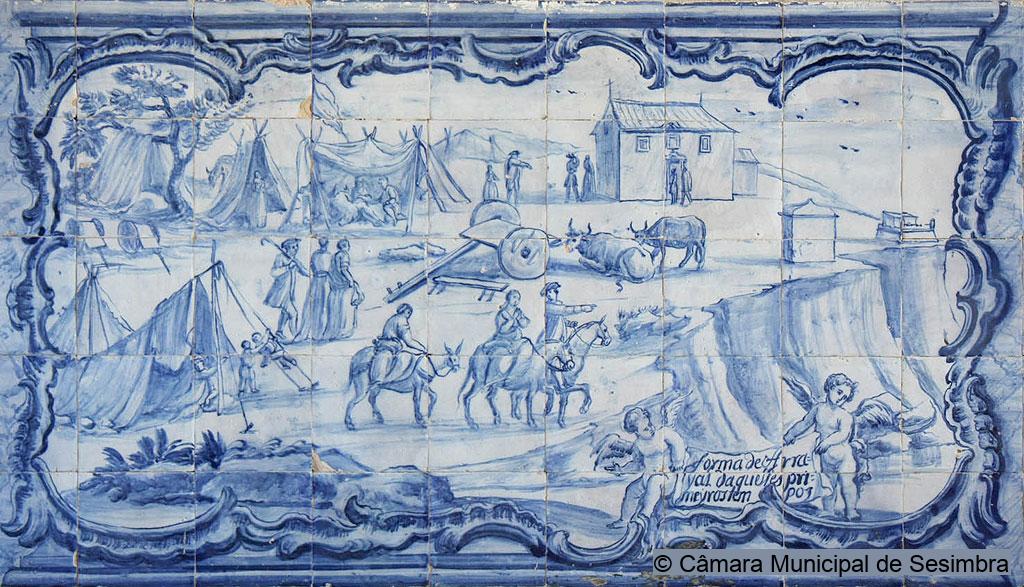
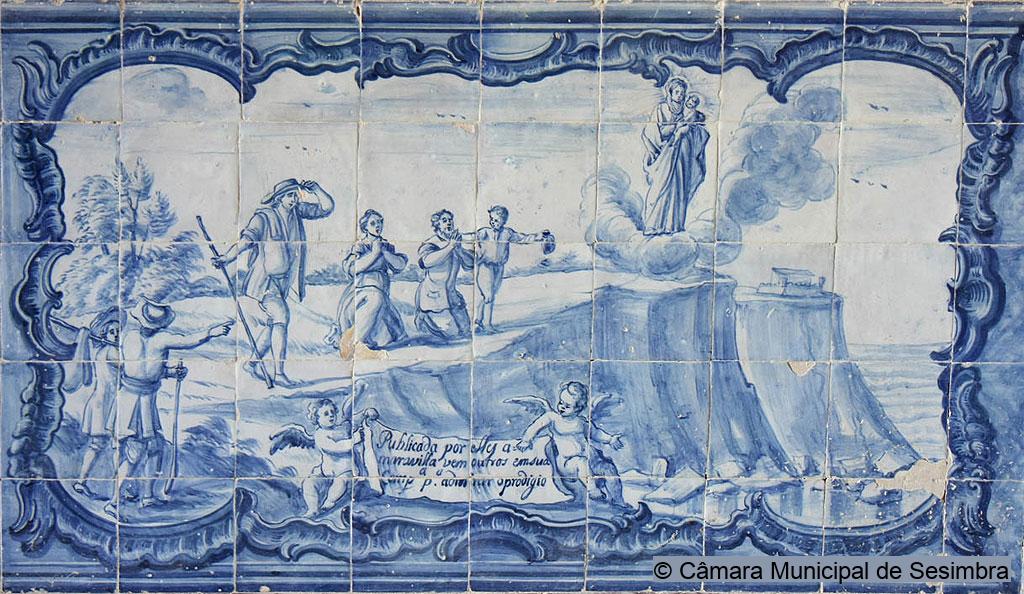
The origins of the sanctuary are connected to a legend, which relates that two elderly people – one from Caparica (on the south bank of the River Tagus) and another from Alcabideche (near Cascais) – dreamed about Our Lady appearing on top of the cliffs of Cape Pedra Mua riding a gigantic she-mule. Inspired by their dream they followed their calling and met at the top of the promontory where they found the miraculous image of Our Lady. The footprints of the she-mule left on the stones of the promontory continue to bear witness to the veracity of the legend, although in reality these are footprints of two types of dinosaur (one being the largest footprint of this type).
Description:
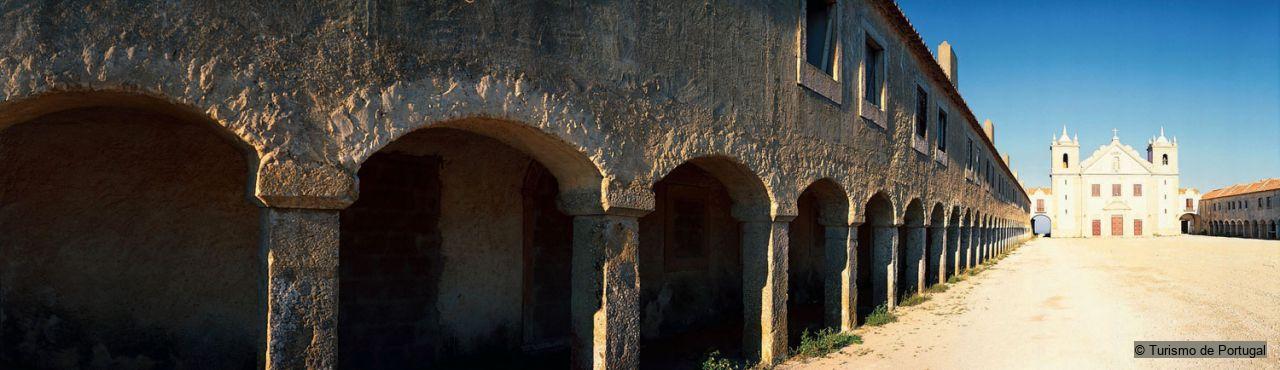
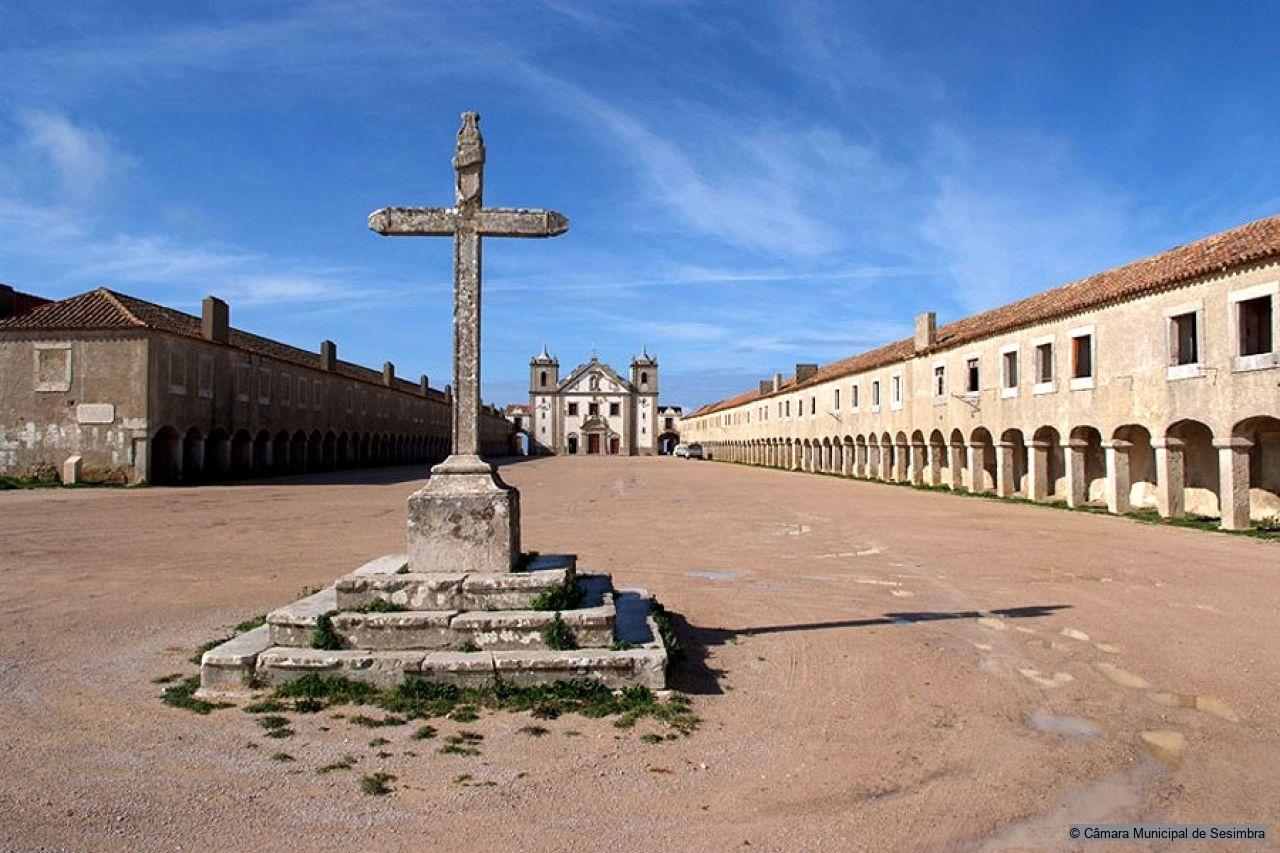
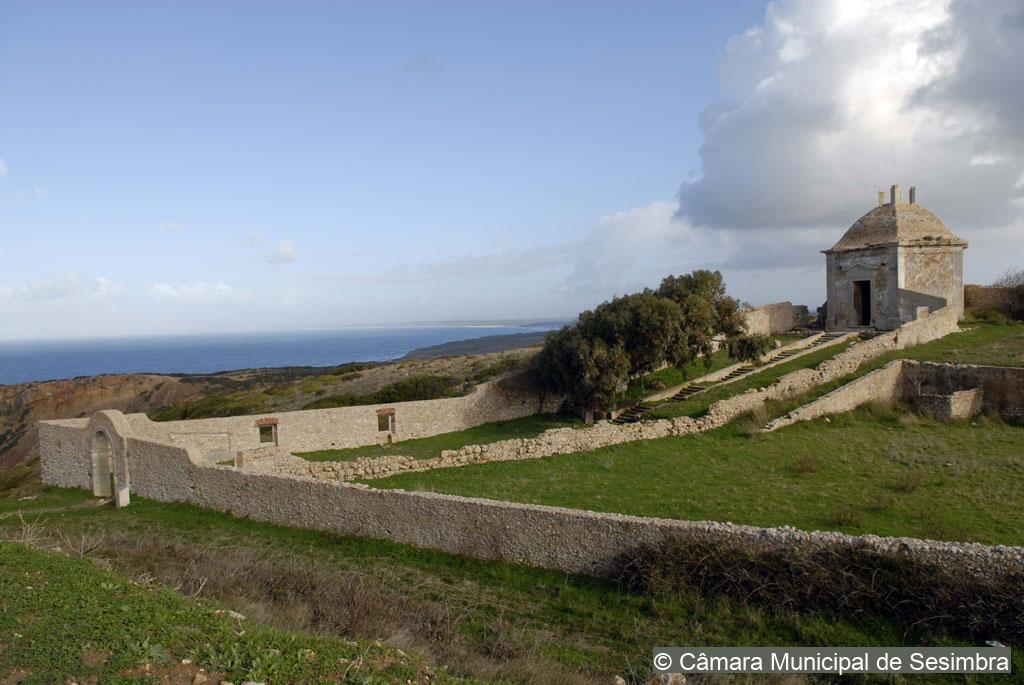
The sanctuary is located at the top of Cape Espichel. It has a U-shaped floor plan due to the pilgrim's lodging houses which formed a square. The houses are decked with continuous arcades and are very simply built, typical of the traditional architecture of the Lisbon and Setúbal Peninsulas. Centred at the far west-end of the square is Our Lady of the Cape Church.
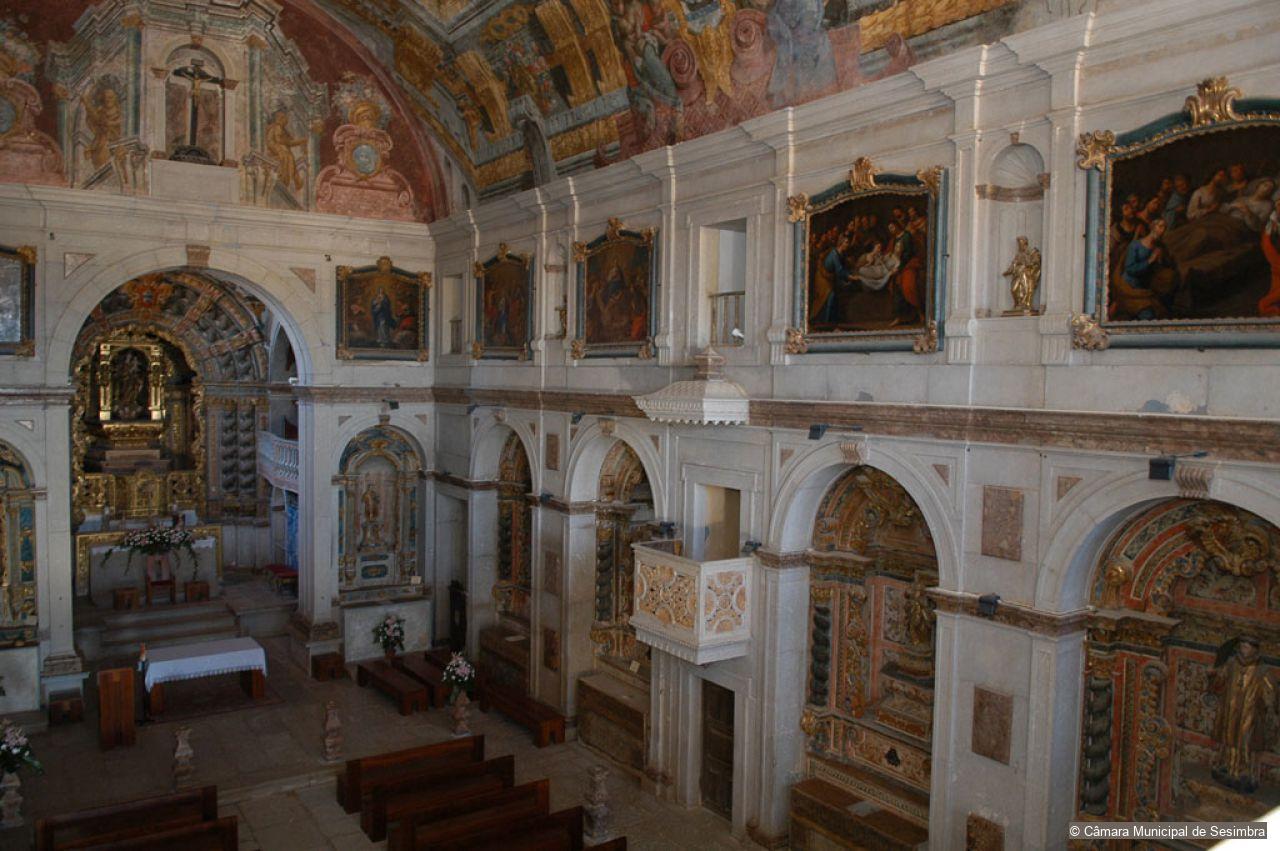
The church has a single, clear nave with two pulpits in the middle of it. Due to the design it can be attributed to João Antunes, architect of the Casa do Infantado nearby. The church was likely to have been commissioned by the Infant Francisco, King João V's brother and head of the brotherhood of Our Lady of the Cape. There is a large cross at the opposite end of the church, on the axis of the square. Continuing along this axis, the aqueduct meets the water house to supply the sanctuary with water. The water house is a hexagonal-shaped building with one door. It is equipped with an undulating dome and crowned with a lantern. Its construction dates to 1770, and was the initiative of King José I after he had stayed at the court of the sanctuary. At the same time, between 1760 and 1770, the sanctuary's infrastructure was improved with the construction of kitchens, an oven and wood store, stables, a water tank and an “opera house” – a small theatre with dressing rooms and a backstage area, which today is completely dilapidated.
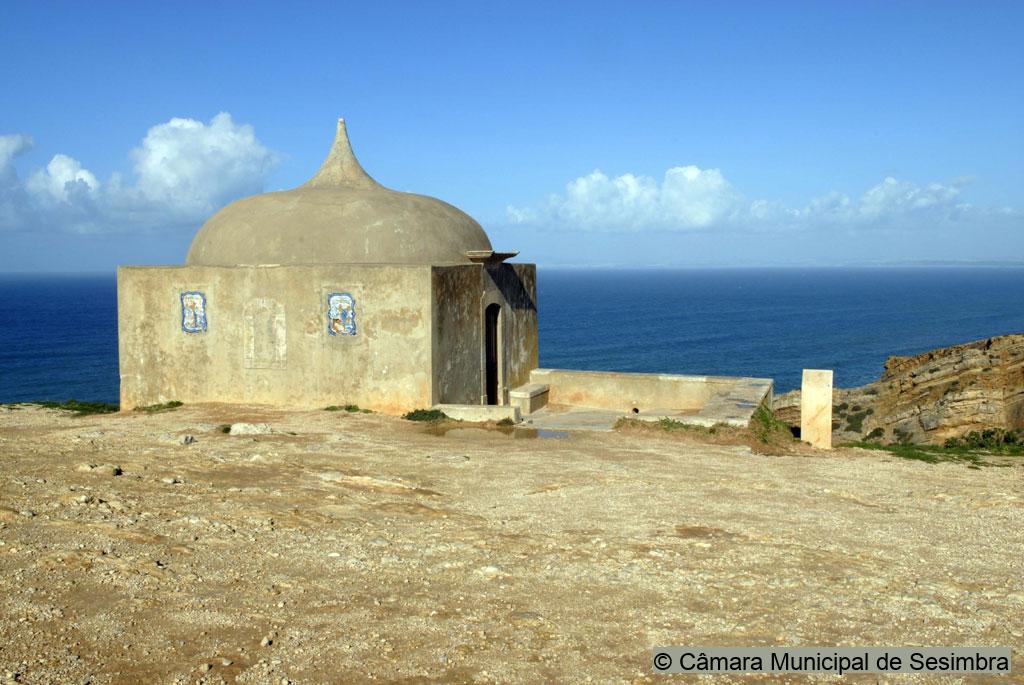
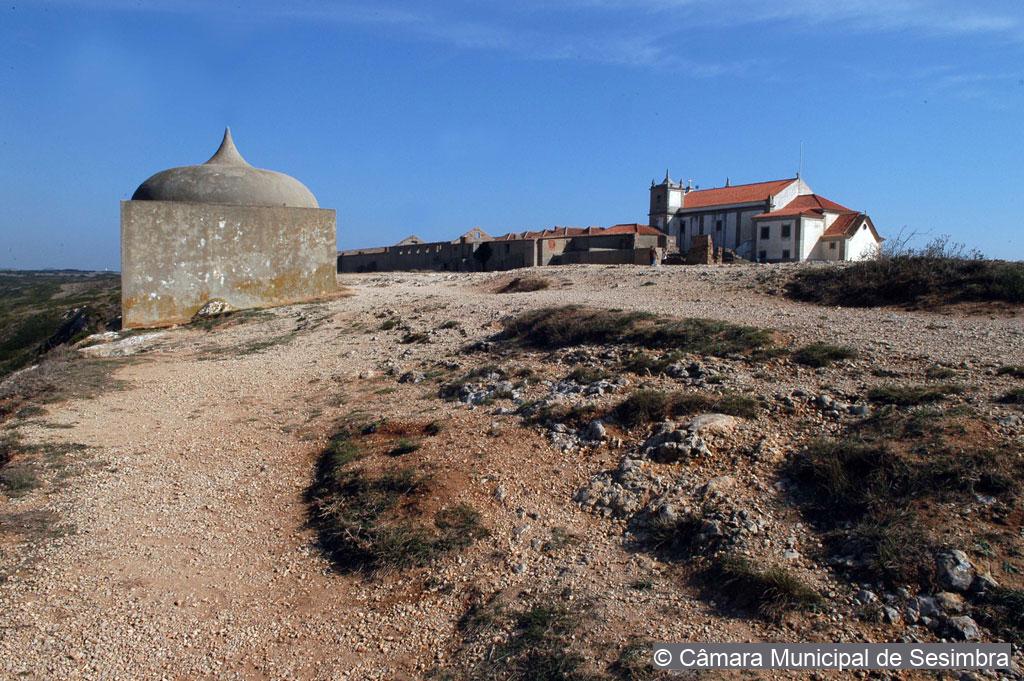
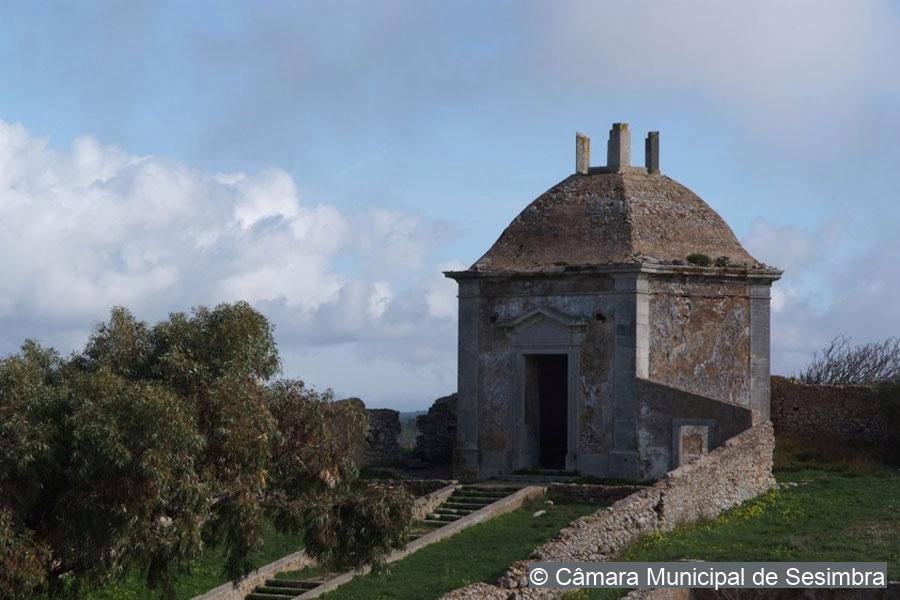
Separate from this group of buildings, is the Memory Hermitage, found near to where the sanctuary was founded. The building is cubic in form with a smooth reverse ogee dome. Despite not knowing the date of its construction it was probably rebuilt in the 17th century. It is decorated with 18th-century azulejos, depicting the legend of the Miraculous Finding of the Image of Our Lady at the site.
The origins of the cult date to the 15th century; most of the buildings date to the 17th and 18th centuries. A pilgrimage sanctuary with a U-shaped floor plan, it was created around pilgrim’s lodging houses that formed a square. The respective church, to which the lodging houses belonged, was at the far end of the square.
How Monument was dated:
Historical evidence and stylistic analysis
Special features
Memory Hermitage
Espichel Cape, exterior
17th century
Unknown
The small Hermitage is isolated. It is quadrangular in shape with a reverse ogee dome crowned with a rounded pinnacle. Despite its popularity it is very difficult to define the Memory Hermitage in chronological terms. Its “cubic” form and bulbous dome undoubtedly remind us of the ancient Muslim qubba.
Church
Sanctuary of Our Lady of Cape Espichel, West End
1707–1740
Architecture attributed to João Antunes (1642–1712); painting to Lourenço da Cunha (active 1740–1743)
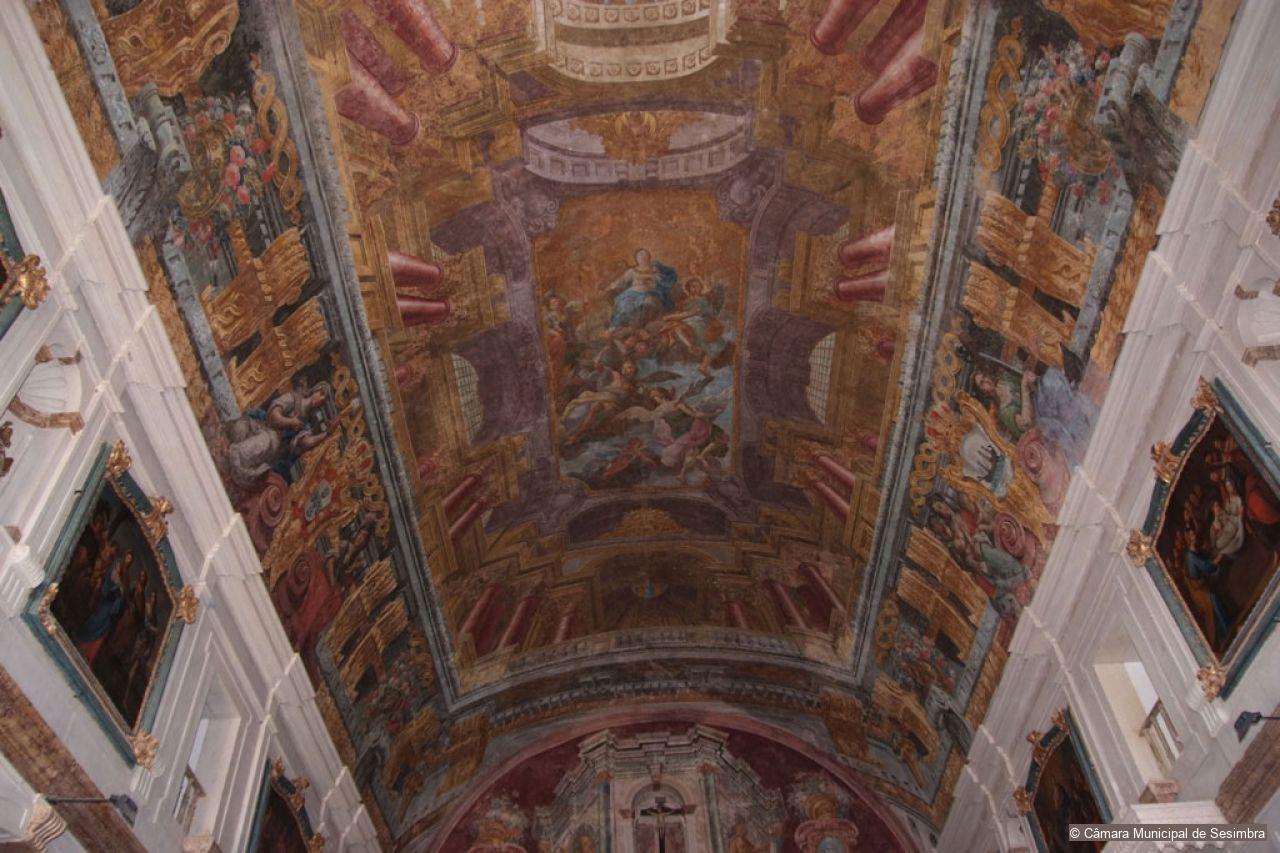
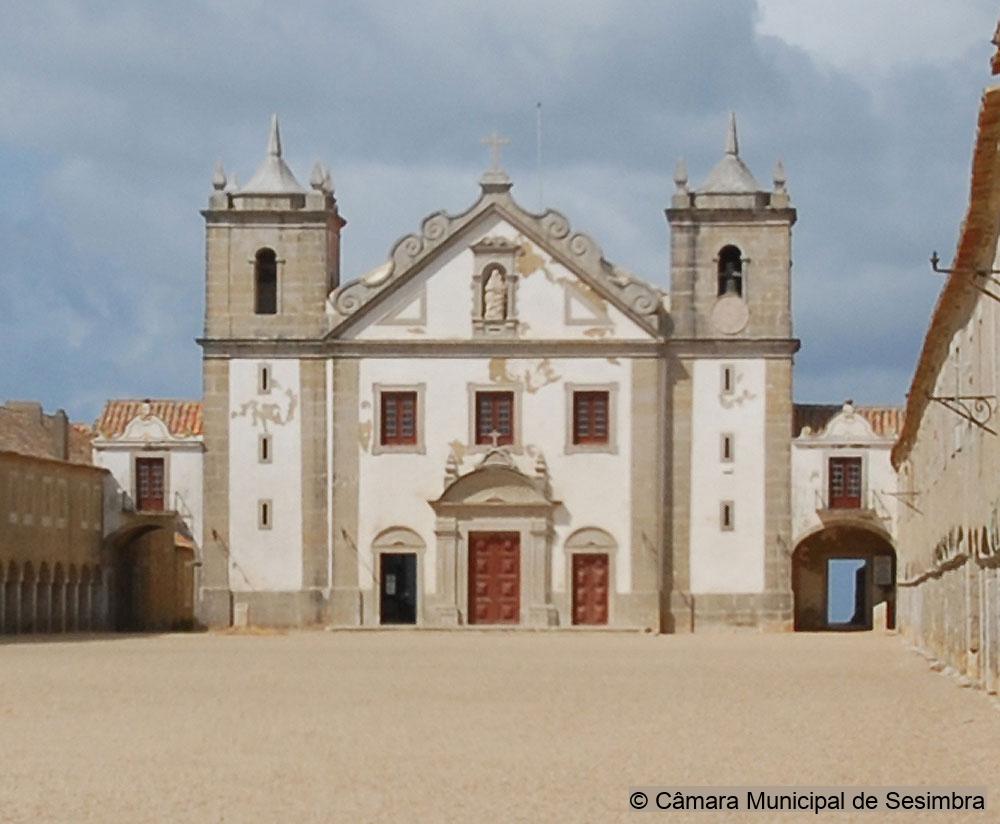
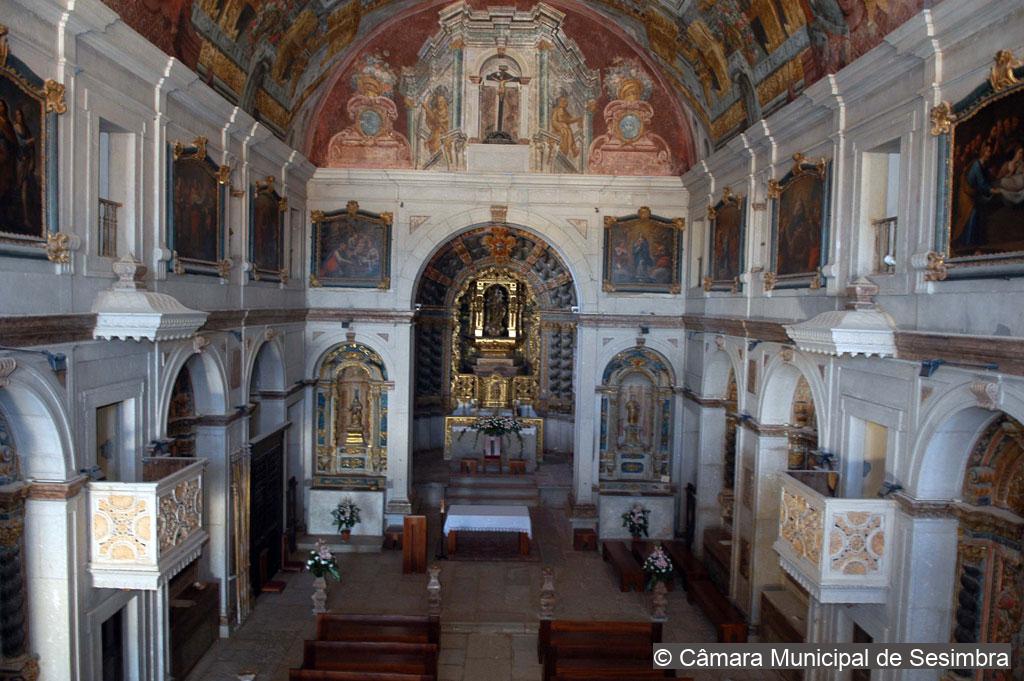
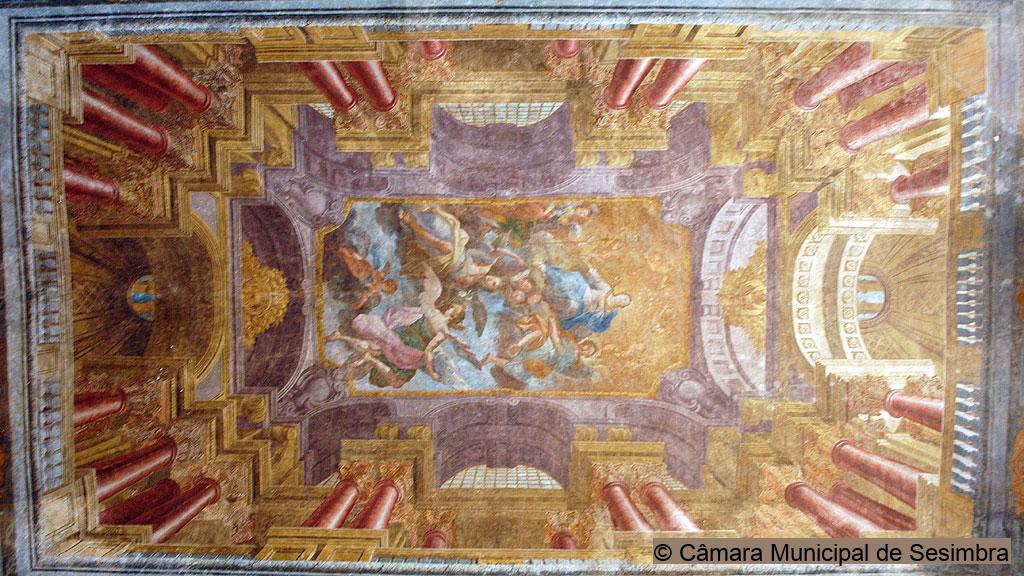
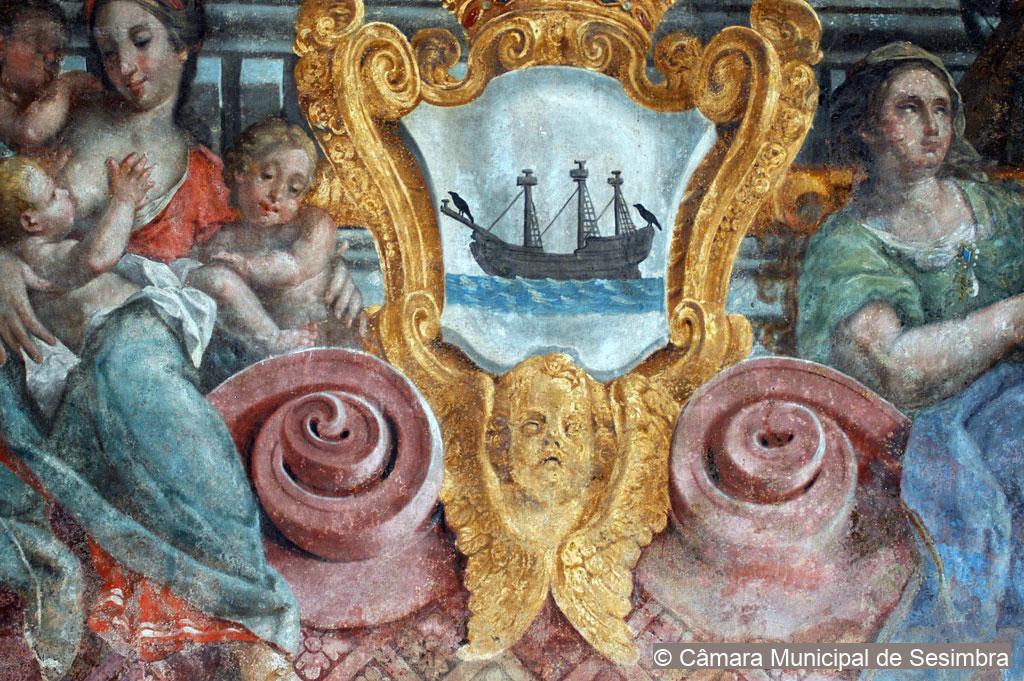
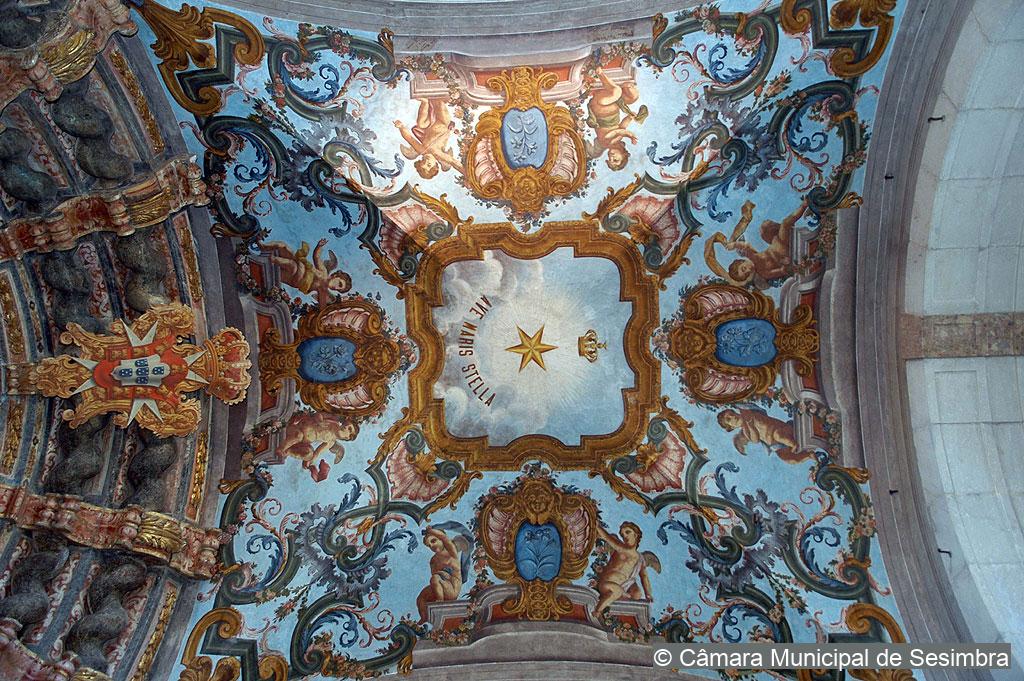
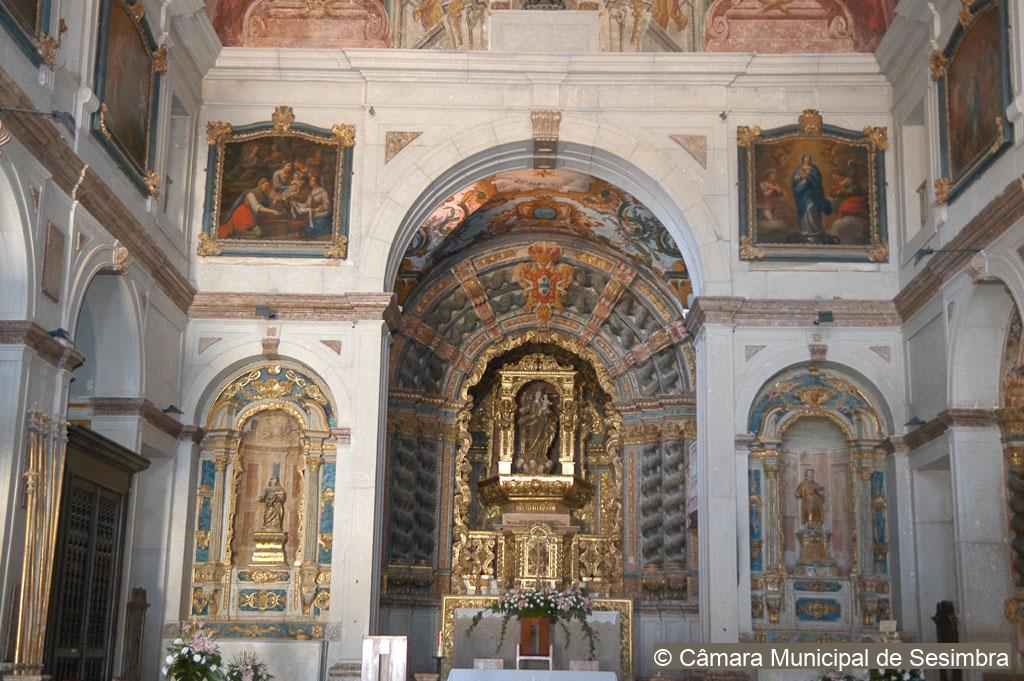
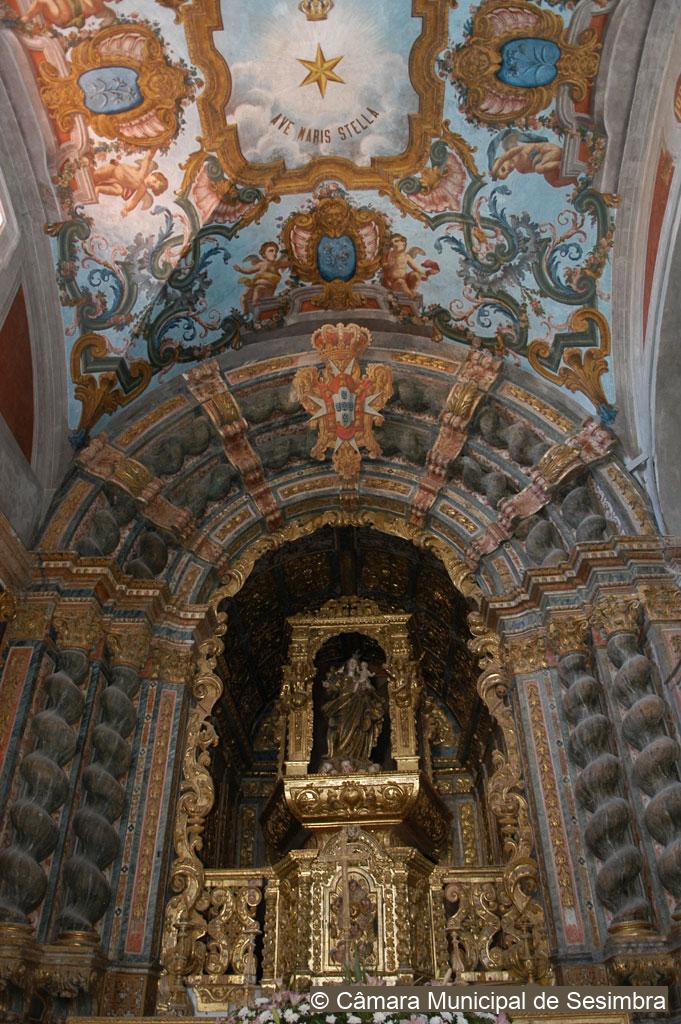
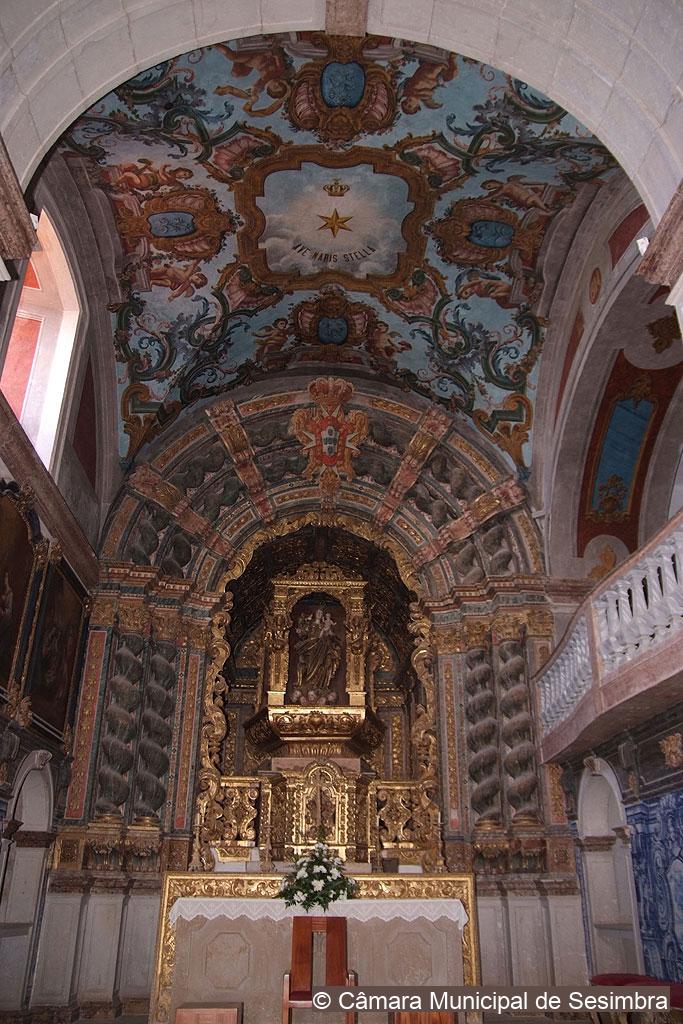
The church is built in the Late Classical style, the interior following the model of Jesuit churches. Due to the design, the sanctuary is attributed to João Antunes, an attribution that is probable because he was at the time the architect of the Casa do Infantado nearby. The ceiling painting of Our Lady of the Assumption was painted by Lourenço da Cunha in 1740.
Water House
Sanctuary of Our Lady of Cape Espichel, East end
c. 1760–1770
Unknown artist
Hexagonally shaped, the interior of the water house has running benches and is decorated with azulejos, the narrative of which involves scenes of leisure and pilgrimage (today completely destroyed). At the far end, there is a small house-shaped fountain decorated in smooth relief and with a protruding key. It is surmounted by a triangular pediment with a valve in the fauces of a stone lion.
Azulejos depicting the legend of the Miraculous Finding of the Image of Our Lady
Memory Hermitage, interior, Sanctuary of Our Lady of Cape Espichel
18th century
Unknown artist
These 18th-century panels recall the legend of the Miraculous Finding of the Image of Our Lady at the site.
Main Chapel, interior
Sanctuary of Our Lady of Cape Espichel
Early 18th century
João Antunes (1642–1712) and others
Main altarpiece with a huge retable decorated in azulejos in the so called National style. In the centre of the retable there is a reliquary in gilt silver donated by the pilgrims of Lisbon in 1680, it holds the image of Our Lady of Cape Espichel.
Selected bibliography:
Romariz, C., Carvalho, A. M. Galopim de, “Formações margoglauconíticas do Miocénico superior a norte do Cabo Espichel”, Boletim da Sociedade Geológica de Portugal, Vol. XIV, Fasc. I. Lisbon, 1961.
Carvalho, A. Ayres de, D. João V e a arte do seu tempo, 2, Lisbon, 1962.
Ribeiro, O., A Arrábida, Esboço Geográfico, Câmara Municipal de Sesimbra, Sesimbra, 1986.
Serrão, E. da Cunha, Serrão, V., Sesimbra Monumental e Artística, Sesimbra, 1986.
Citation of this web page:
Paulo Pereira "Sanctuary of Our Lady of Cape Espichel" in "Discover Baroque Art", Museum With No Frontiers, 2026.
https://baroqueart.museumwnf.org/database_item.php?id=monument;BAR;pt;Mon11;35;en
Prepared by: Paulo PereiraPaulo Pereira
SURNAME: Pereira
NAME: Paulo
AFFILIATION Faculty of Architecture, Technical University of Lisbon
TITLE: University Lecturer
CV:
Paulo Pereira holds an MA in Cultural Studies and has been a speaker at numerous seminars and congresses in Portugal, Spain, France, Italy, the United States and Brazil. Paulo has co-ordinated and published books about Portuguese art and history, some of which are award winning. He is curator of several exhibitions held in Portugal, Ghent, Brussels and Berlin and been a contributing author for several exhibition catalogues. He has exercised managerial roles within the Town Hall of Lisbon, was Vice President of the Portuguese Heritage Institute (IGESPAR) and is a lecturer at the Technical University of Lisbon (Faculty of Architecture).
Translation by: Cristina CorreiaCristina Correia
SURNAME: Correia
NAME: Cristina
AFFILIATION: Eça de Queirós Public High School, Lisbon and MWNF
TITLE: Senior Teacher, Local Co-ordinator and Vice-President of MWNF
CV:
Cristina Correia is a History graduate and, since 1985, a Senior Teacher of History at the Eça de Queirós Public High School, Lisbon where she also lectures in Portuguese Language and Culture for non-native speakers. From 1987 to 1998 she was involved with youth affairs, primary prevention and the Camões Institute. She is Vice-President and Local Co-ordinator (Portugal) for MWNF., Manuel Silva Pereira
Translation copyedited by: Mandi GomezMandi Gomez
Amanda Gomez is a freelance copy-editor and proofreader working in London. She studied Art History and Literature at Essex University (1986–89) and received her MA (Area Studies Africa: Art, Literature, African Thought) from SOAS in 1990. She worked as an editorial assistant for the independent publisher Bellew Publishing (1991–94) and studied at Bookhouse and the London College of Printing on day release. She was publications officer at the Museum of London until 2000 and then took a role at Art Books International, where she worked on projects for independent publishers and arts institutions that included MWNF’s English-language editions of the books series Islamic Art in the Mediterranean. She was part of the editorial team for further MWNF iterations: Discover Islamic Art in the Mediterranean Virtual Museum and the illustrated volume Discover Islamic Art in the Mediterranean.
True to its ethos of connecting people through the arts, MWNF has provided Amanda with valuable opportunities for discovery and learning, increased her editorial experience, and connected her with publishers and institutions all over the world. More recently, the projects she has worked on include MWNF’s Sharing History Virtual Museum and Exhibition series, Vitra Design Museum’s Victor Papanek and Objects of Desire, and Haus der Kulturen der Welt’s online publication 2 or 3 Tigers and its volume Race, Nation, Class.
MWNF Working Number: PT 35