

 Back
BackTimeline | Gallery
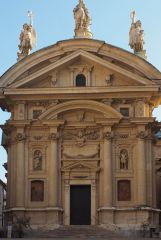
Emperor Ferdinand´s II MausoleumBurial Place of Emperor Ferdinand II and his family
1608: red marble sarcophagus
1614: start of the complex´s building on the site of a former cemetery chapel
after 1619/20: addition of the façade´s two segment gables
1622–37: roofing work
1635–36: building of the tower
about 1635/36: statues on the roof
1640: stucco work and altar consecration in the crypt
beginning in 1687: interior church and burial chapel
from 1654: repair work
1688–89: reconditioning and restoration (seventy-four years after start of construction and after a construction pause of over forty years), stucco work in the church, ceiling frescoes in the church and in the burial chapel
beginning in 1689: stucco work in the burial chapel
1694: stucco work in the crypt replaced
1695–96: stucco figures in the burial chapel´s niches
1697–99: sculptures on the altars in the church
1714: consecration of the church and of six altars
1768–69: Holy Sepulchre, Early and high Baroque
Graz, Styria, Austria
 See Database Entry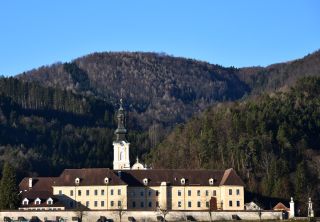
Rein AbbeyRein Abbey Church and Monastery
1129: foundation
1140: consecration of the Roman basilica
1481–1515: structural changes
beginning of the 17th century: new cloister
1628–32: new convent building
1650: replacing the Medieval tower above the Southern part of the church with an early baroque one
1682: stucco decoration in the Old Sacristy (winter chapel)
from the year 1720 on: renovation of the Eastern part of the building complex and construction North wing
1739–47: church building and baroquization
1740: fresco paintings in the Homage Hall
1742–47: church´s East façade
1743: statues on the church´s East façade and in the church
around 1753: library and fresco paintings on the ceiling
1766: fresco paintings on the walls and on the ceiling in the church
1768: high altar
1772: organ
1779: painting on the high altar
1782: the tower on the church gets it new baroque shape, Baroque and Rococo
Rein, district Gratwein-Strassengel , Styria, Austria
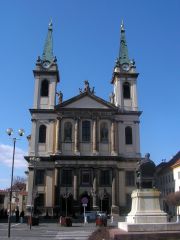
1791–1814
Szombathely, Nyugat-Magyarország / West Hungary, Hungary
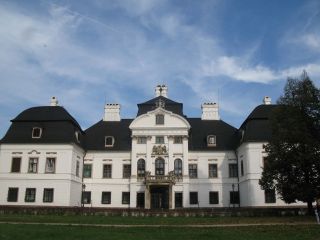
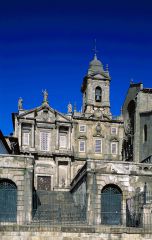
13th–14th centuries (architecture); 17th–18th centuries (gilded carved decoration)
Parish of St. Nicolau, Oporto, Porto, Portugal, 1200, 1700
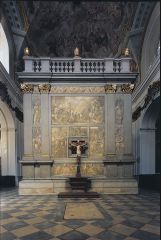
Minorite Church of Saints John and Loreto, Brno
1239; 1256; 1722; 1725; 1729–1733; 1760
Brno, Moravia, Czech Republic, 1212, 1791
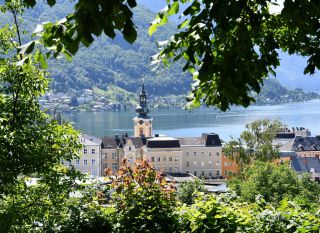
1270: first documentary mention
First half of the 14th century: construction of church
Second half of the 17th century: start of baroquisation (exterior and interior)
First third of the 17th century: Holy Virgin statue
17th century: baptismal font
1678: Epiphany statues
1679: high altar (modified about 1860)
1685: Anna altar
About 1690: St Elizabeth and St Zachariah statues
End 17th century: St Barbara and St Margaretha statues
1713–18: construction of tower
1723: entrance hall
First half of 18th century: St Peter and St Paul statues, Gothic and Baroque (various eras)
Gmunden, the district Gmunden´s capital, Upper Austria, Austria, 1300, 1400
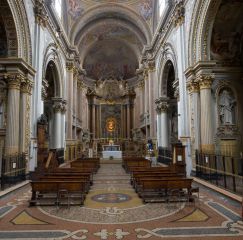
In the fourteenth-century the first church dedicated to the Holy Spirit was built on this site, in the seventeenth-century the church was remodelled in the present form by Giovanni Battista Torri
Bologna, Emilia-Romagna, Italy, 1302, 1798
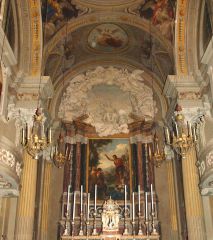
First construction 1372; rebuilt by Carlo Francesco Dotti between 1733-1737
Minerbio, Bologna, Emilia-Romagna, Italy, 1309, 1787
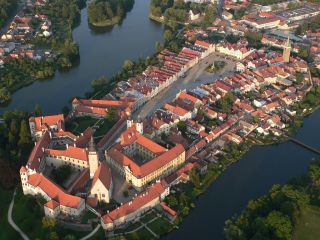
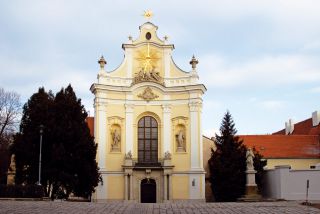
Carthusian Monastery and the Church of The Holy Trinity, Brno-Královo Pole
1375; 1760–1777
Brno, Moravia, Czech Republic, 1348, 1814
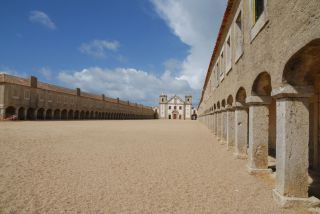
Sanctuary of Our Lady of Cape Espichel
Between the 15th and 18th centuries
Parish of Sesimbra, Castelo, Setúbal, Portugal, 1400, 1700
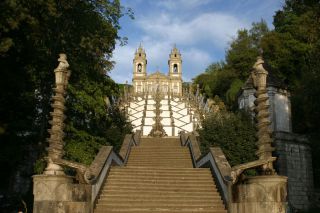
Founded in the 15th century; Baroque works carried out 1723–1811
Braga, Braga, Portugal, 1400, 1900
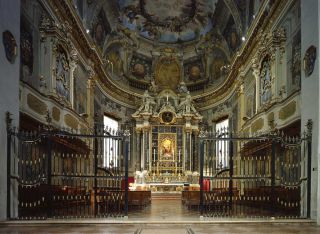
Chapel of the Rosary, basilica di San Domenico, Bologna
1460–1737
Bologna, Emilia-Romagna, Italy, 1452, 1787
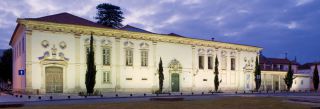
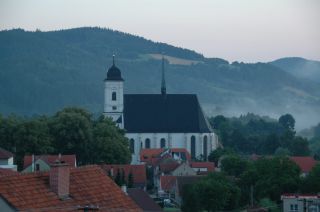
Church of the Elevation of the Cross, Doubravník
1535–1537; 1679; 1786
Doubravník, Moravia, Czech Republic, 1478, 1814

1508–1574; 1680–1687
Bologna, Emilia-Romagna, Italy, 1485, 1707

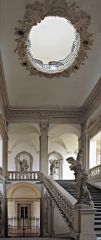
1517–1680; 1678–1684 (frescos and ballroom decorations)
Bologna, Emilia-Romagna, Italy, 1492, 1707
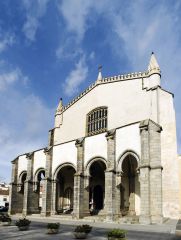
Chapel of Bones in the Old Convent of St. Francis, Évora
Basic structure: around 1515; decoration: 17th–18th century
Évora, Évora, Portugal, 1494, 1769